Commercial buildings are judged by more than location, amenities, and square footage. Tenants also notice how shared spaces feel each day. Lobbies, corridors, lounges, patios, and offices all shape the experience of working in a property.
Thoughtfully designed office plants can soften hard surfaces, add visual warmth, and make common areas feel more finished. Plant selection, scale, lighting, traffic flow, and ongoing maintenance all shape how successful the design feels over time.
Make Shared Spaces Feel More Welcoming
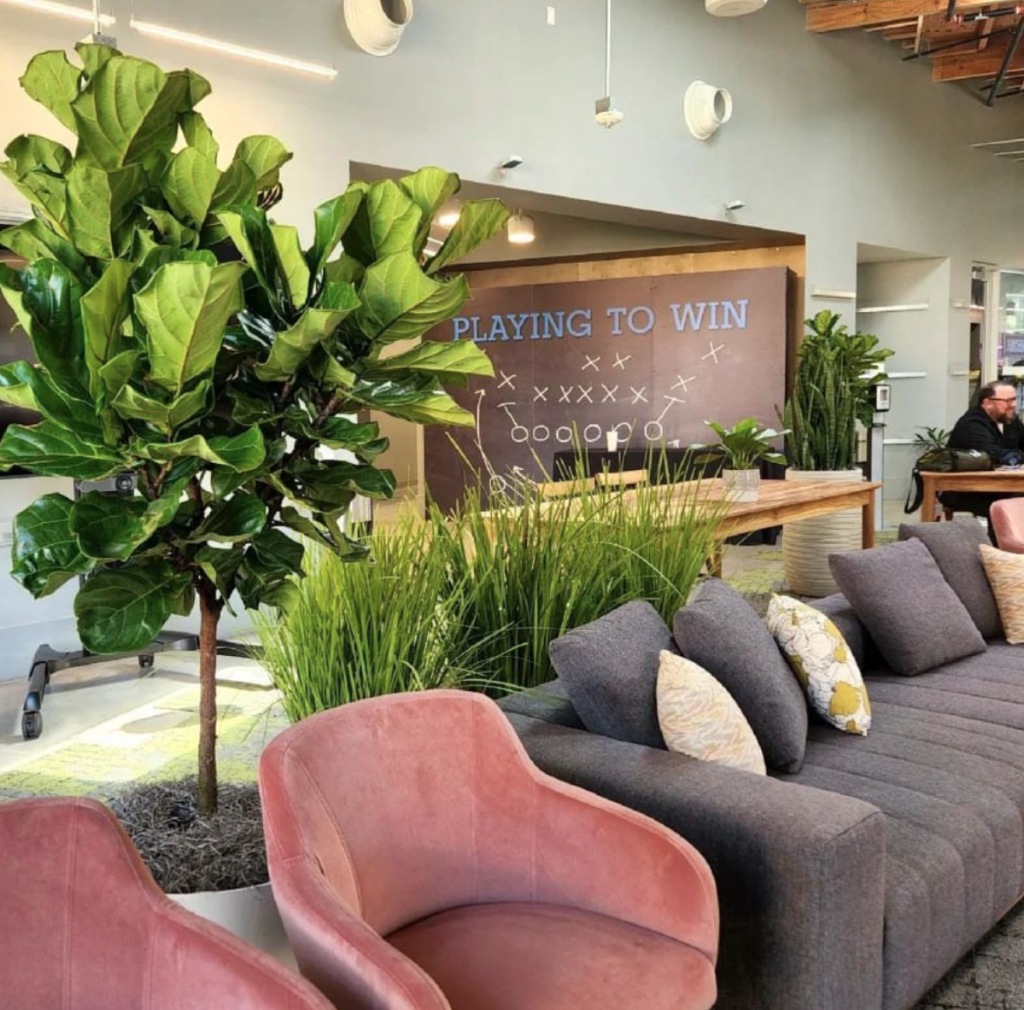
First impressions matter in commercial buildings because tenants, employees, clients, and visitors often pass through the same common areas every day. Plants can help large spaces feel less sterile by introducing texture, movement, and a natural visual break from glass, metal, concrete, and other hard materials.
Well-planned greenery can support:
- Lobby areas that feel warmer and more intentional
- Reception spaces with stronger visual identity
- Hallways that feel less empty or repetitive
- Shared lounges with softer visual boundaries
- Conference areas that feel more comfortable
- Entry points that create a polished first impression
Placement is important. Oversized plants can interfere with circulation, while undersized displays may disappear in a large room. Professional plant design considers sightlines, furniture, room scale, and how people actually move through the property.
Support Comfortable And Well-Maintained Work Environments
Tenants are more likely to appreciate plant displays when they look healthy, clean, and appropriate for the space. Declining foliage, dusty leaves, or poorly matched plants can have the opposite effect and make common areas appear neglected.
Ongoing indoor plant care helps keep displays presentable while addressing watering, pruning, cleaning, plant replacement, and changing environmental conditions. Consistent care can also reduce the chance that stressed plants become a visible maintenance issue.
A professionally maintained plant program takes those responsibilities off building staff. Trained technicians can maintain the overall design and adjust when light, airflow, or plant condition changes.
This creates a more consistent experience across shared spaces and helps greenery remain an asset rather than another maintenance task.
Use Plant Design To Define Different Tenant Areas
Commercial properties often contain several types of spaces within the same building. Plants can help distinguish those zones without adding permanent walls or heavy construction.
Useful applications include:
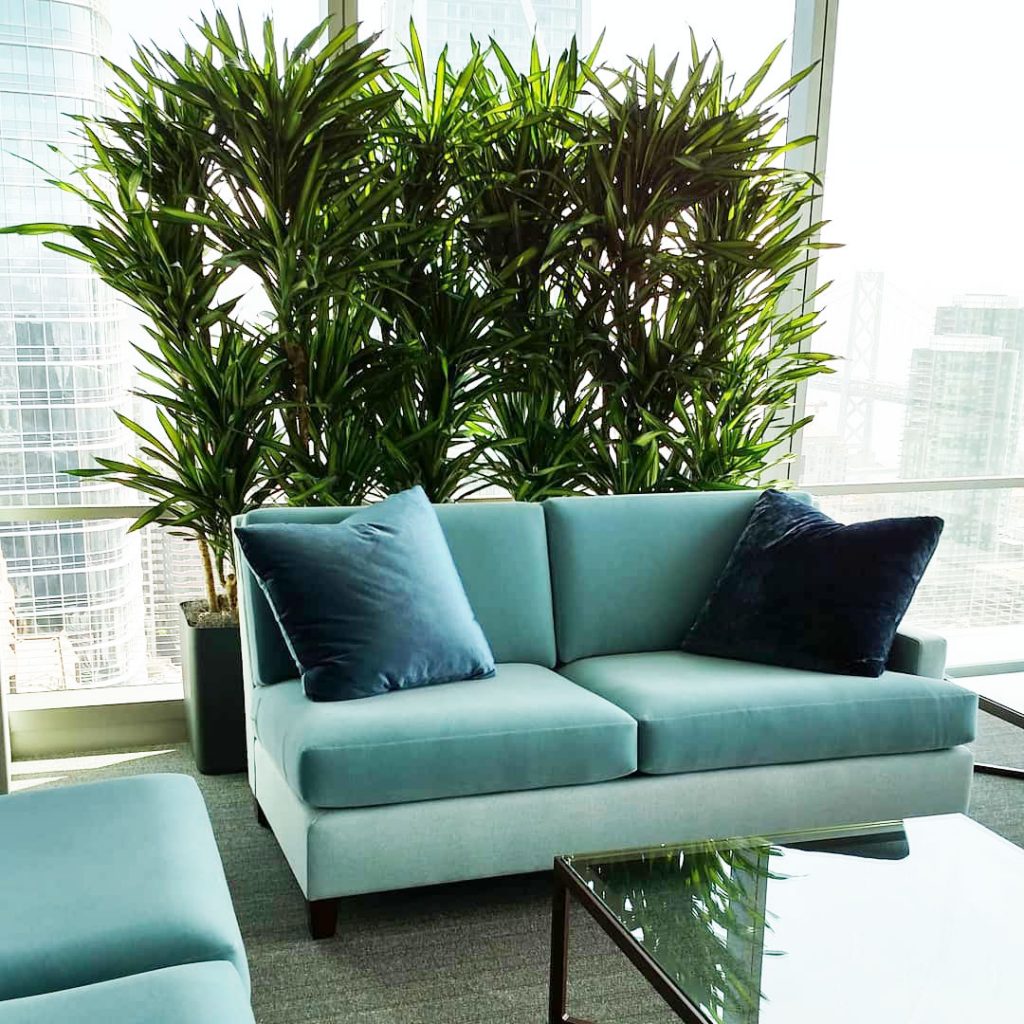
- Tall planters that create separation between seating areas
- Plant groupings that soften transitions between corridors and lounges
- Living walls that create focal points without using floor space
- Smaller displays that add warmth to waiting areas
- Patio planters that define outdoor gathering zones
- Moss or replica features where live plants are less practical
The right plant solution depends on the environment. Some spaces are suited to live greenery, while low-light or hard-to-service areas may benefit from moss walls or high-quality replica plants. Living walls can create strong visual impact when lighting, irrigation, structure, and maintenance access are properly planned.
A varied approach allows the building to feel cohesive without making every floor or common area look identical.
Keep Plant Choices Aligned With Modern Office Expectations
Tenant expectations continue to evolve as workplaces become more flexible and shared amenities play a larger role in how commercial buildings are experienced. Greenery can support that shift by making offices, lounges, patios, and gathering spaces feel more intentional and adaptable.
Current office plant trends emphasize matching plant solutions to lighting, maintenance needs, brand presentation, and how each space is used. That may mean living walls in high-visibility areas, moss designs in low-light interiors, replica plants in difficult locations, or patio greenery that supports outdoor meetings and breaks.
The strongest designs are not based on adding the maximum number of plants. They focus on choosing the right type of greenery for the conditions and using it where tenants will actually experience the benefit.
This makes the property feel considered rather than decorated as an afterthought.
Protect The Tenant Experience With Consistent Plant Maintenance
Even a well-designed installation can lose impact if maintenance is inconsistent. Commercial plant programs need routine attention because plants respond to seasonal light changes, HVAC airflow, traffic, watering needs, and natural growth.
A long-term maintenance plan may include:
- Watering based on plant type and site conditions
- Pruning to maintain shape and clear walkways
- Cleaning leaves and containers for a polished appearance
- Replacing declining plants before displays look sparse
- Adjusting placement when lighting or furniture changes
- Inspecting living-wall systems and irrigation components
Professional maintenance also helps preserve design consistency across multiple areas of a building. Technicians can identify problems early, replace plants thoughtfully, and maintain the scale and balance originally planned for the property.
Office plants are most valuable when tenants do not have to think about their upkeep. They simply experience a commercial building that feels greener, more polished, and more comfortable from day to day.
For property managers, that consistency supports a broader goal: creating shared spaces that tenants are comfortable using and proud to bring visitors into.
Make Everyday Tenant Spaces Feel Better
For professional indoor plant design, installation, living walls, moss walls, patio landscaping, and ongoing maintenance, contact Creative Plant Design, Inc to create a plant program tailored to your commercial property.