Green design has become a defining feature in modern interiors, especially in offices and commercial environments. Vertical plant installations such as living walls and moss walls are increasingly used to enhance visual appeal, improve atmosphere, and create a stronger connection to nature indoors. While both options offer distinct benefits, their upkeep requirements differ significantly.
Choosing between living walls and moss walls often comes down to understanding how much maintenance each system requires. From watering and lighting to long-term care, the level of attention needed can shape both the experience and the sustainability of the installation.
What Defines Living Walls And Moss Walls
Living walls and moss walls may appear similar at first glance, but they are built on entirely different systems. Each has its own structure, purpose, and maintenance demands.
- Living walls are composed of live plants rooted in vertical systems that require soil or a growing medium
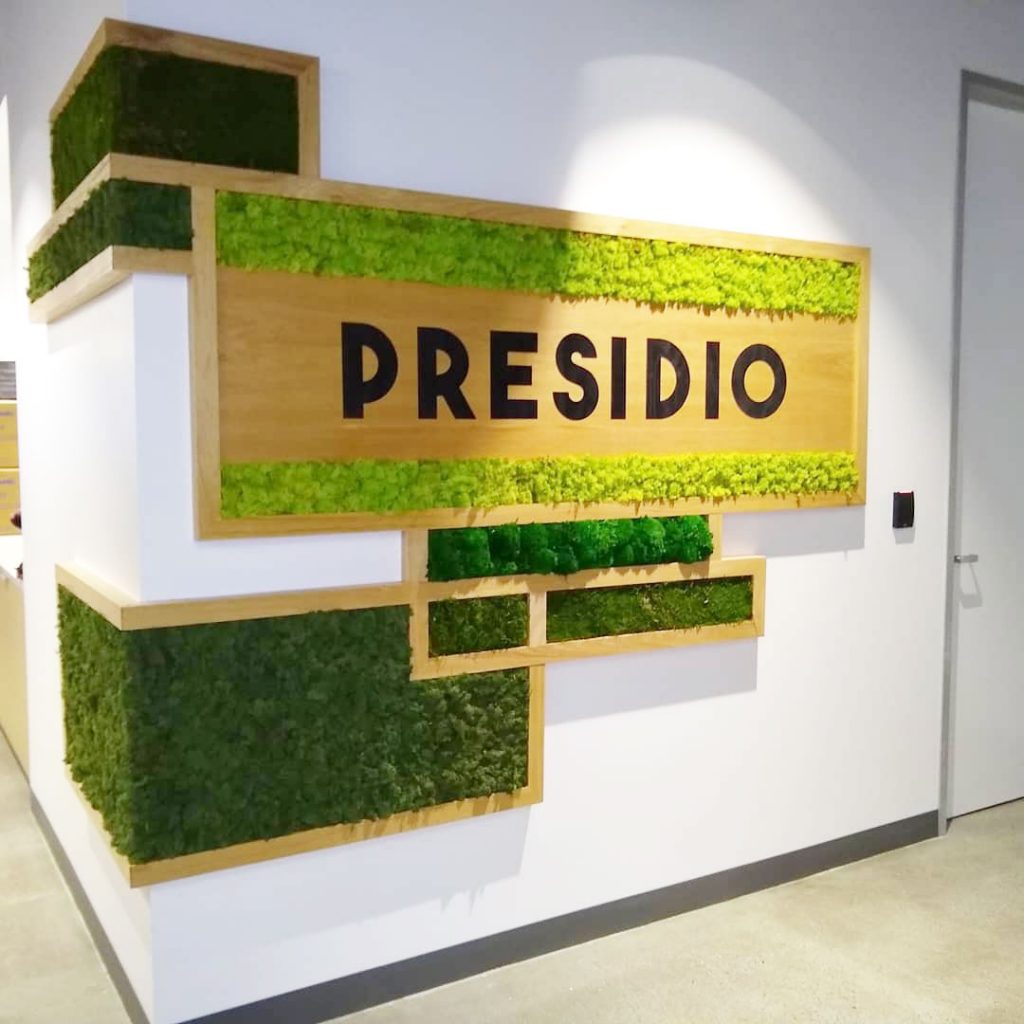
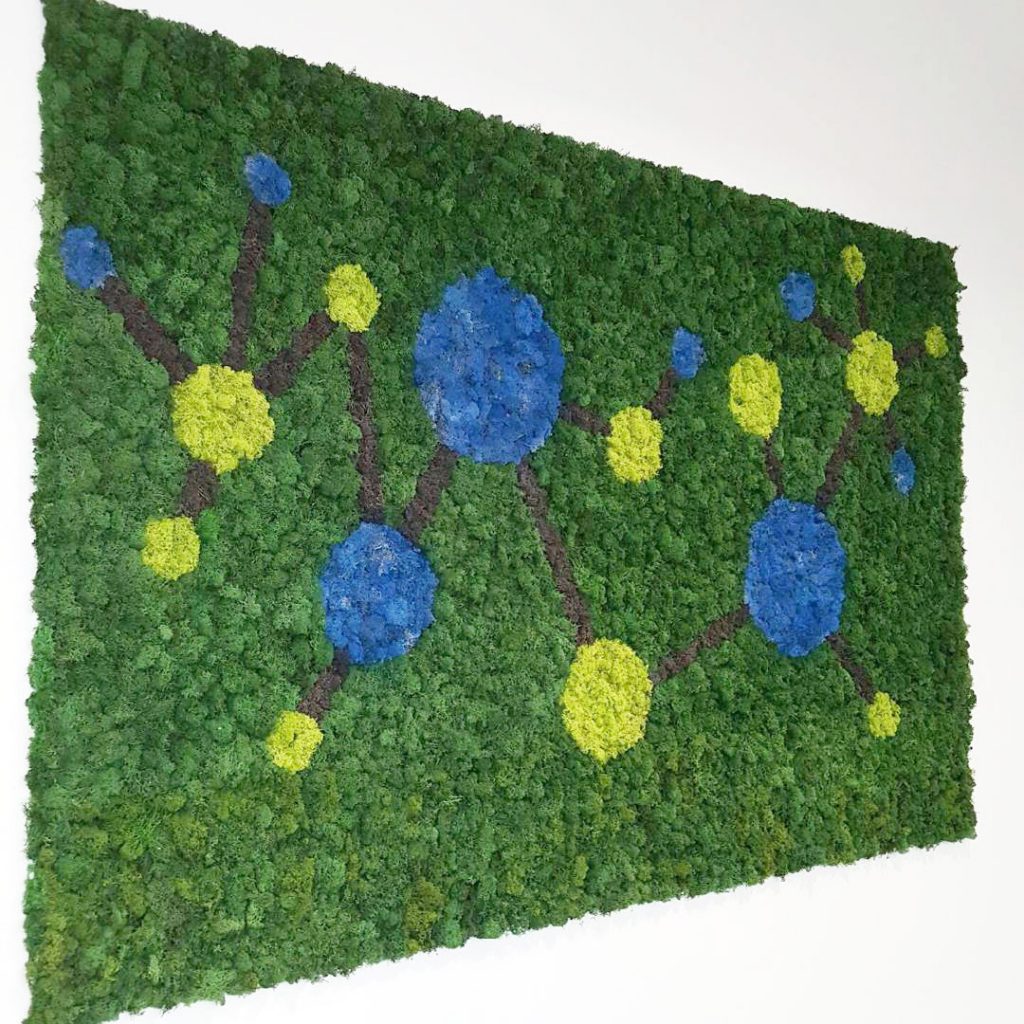
- Moss walls use preserved moss that no longer grows and does not require traditional plant care
- Living walls rely on irrigation, lighting, and nutrient management
- Moss walls are designed for stability and visual consistency without ongoing growth
Understanding this distinction is essential when evaluating upkeep. While both contribute to interior design, their long-term care requirements vary greatly.
In many cases, the decision also depends on how the installation is expected to function within the space. Some environments prioritize dynamic growth, while others focus on low-maintenance aesthetics.
Maintenance Requirements For Living Walls
Living walls require active care to ensure that plants remain healthy and visually balanced. Because they consist of living systems, they respond to environmental conditions and require ongoing attention.
- Irrigation systems must be monitored to maintain consistent moisture levels
- Lighting conditions need to support plant growth, especially in indoor settings
- Nutrient levels must be managed to prevent deficiencies or imbalances
- Pruning and plant replacement may be necessary to maintain the appearance
These requirements make living walls more dynamic but also more demanding. Regular care is essential to prevent issues such as uneven growth or plant stress.
At the same time, the benefits of living walls extend beyond appearance. They can contribute to improved indoor environments, particularly when designed with purpose. This connection between greenery and indoor experience is explored in how plants enhance workspaces, where thoughtful integration supports both function and atmosphere.
Upkeep Advantages Of Moss Walls
Moss walls offer a different approach to green design. Because the moss is preserved, it does not require the same level of care as living plants.
- No watering or irrigation systems are needed
- Lighting requirements are minimal since growth is not a factor
- Maintenance is limited to occasional cleaning and environmental monitoring
- The appearance remains consistent over time without pruning
This simplicity makes moss walls appealing for spaces where maintenance resources are limited. They provide the visual impact of greenery without the ongoing responsibilities associated with living systems.
However, moss walls still require attention to environmental conditions. Excess humidity or direct sunlight can affect their longevity, which means placement and monitoring remain important.
Comparing Long-Term Upkeep And Costs
When evaluating living walls and moss walls, long-term upkeep plays a significant role in overall cost and effort. While initial installation is important, ongoing care often determines the true investment.
- Living walls involve continuous maintenance costs related to irrigation, lighting, and plant care
- Moss walls have lower ongoing costs due to minimal maintenance requirements
- Living walls may require periodic updates to maintain plant health and design balance
- Moss walls offer stability but do not provide the dynamic growth of living systems
These differences highlight the importance of aligning the choice with the needs of the space. A living wall may be ideal for environments that value active greenery, while a moss wall may suit spaces where simplicity is preferred.
Understanding how these systems perform over time is essential. The value of living walls, for example, is often tied to both their function and their upkeep, as discussed in what makes a living wall worth the investment.
Why Professional Management Matters For Both Options
Whether choosing living walls or moss walls, professional management plays a key role in achieving consistent results. Each system requires a level of expertise to ensure that it performs as intended within the space.
Professionals assess factors such as lighting, airflow, and layout to determine the most suitable approach. For living walls, this includes designing irrigation systems and selecting plant varieties that thrive in the environment. For moss walls, it involves ensuring proper placement and maintaining conditions that support long-term stability.
In addition, professional care helps prevent issues that may not be immediately visible. Subtle changes in the environment or system performance can affect the outcome over time. Addressing these factors early helps maintain both appearance and function.
Because these installations are integrated into the overall design of a space, their success depends on careful planning and ongoing evaluation.
When Design Meets Practical Care
Choosing between living walls and moss walls is not only about appearance. It is about how each option fits into the daily operation of the space.
Understanding upkeep requirements ensures that the chosen design remains effective and sustainable.
Bring Green Design To Life With Confidence
When selecting the right green wall system, a thoughtful approach makes all the difference. Contact Creative Plant Design Inc. to explore solutions that align with your space and maintenance goals.