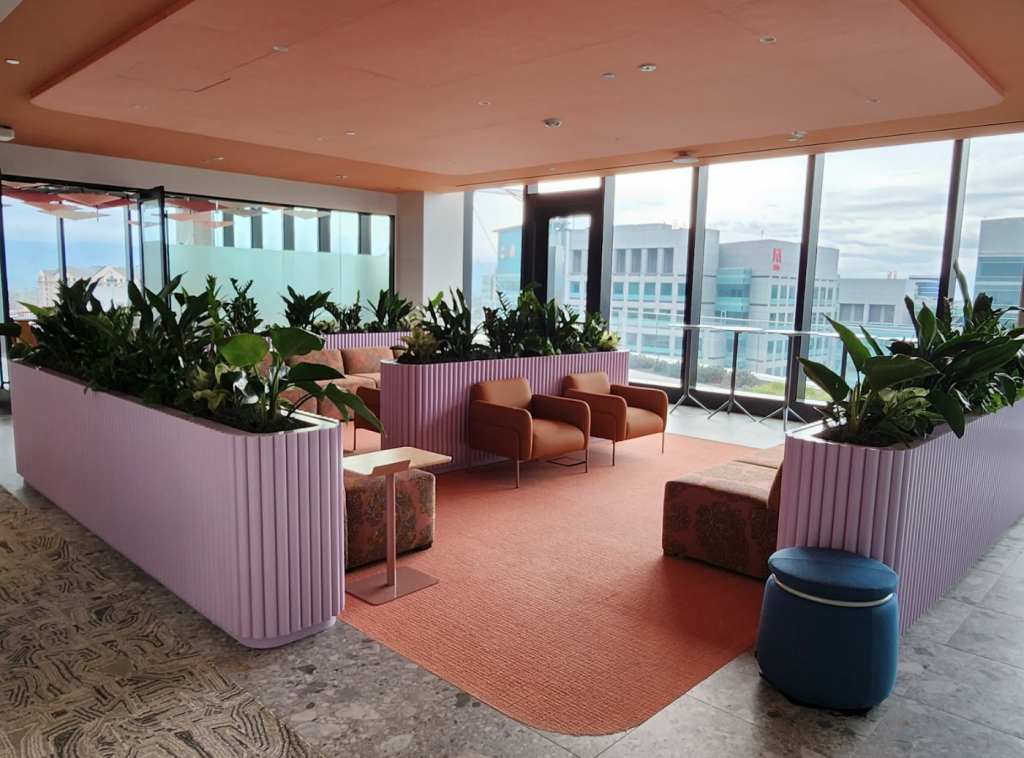
Modern offices are evolving. Fluorescent lighting and gray partitions are slowly giving way to thoughtful layouts that prioritize comfort, mental clarity, and environmental quality. At the center of this transformation is a simple but powerful addition: indoor plants. When selected, installed, and maintained correctly, greenery becomes more than decoration. It becomes a strategic tool for workplace well-being.
From stress reduction to improved concentration, indoor plants influence how people feel and function throughout the workday. Drawing on decades of horticultural expertise and interior plant design practices, professionals understand that plants in commercial spaces must balance aesthetics, health, and long-term care to truly deliver measurable benefits.
The Psychological Benefits of Indoor Plants in Workspaces
Indoor plants play a significant role in supporting mental wellness. Research in environmental psychology consistently shows that exposure to natural elements can lower stress levels and promote emotional balance.
In office environments, this translates into tangible advantages:
- Reduced stress and anxiety levels during high-pressure tasks
- Enhanced mood stability throughout long workdays
- Increased feelings of calm and mental clarity
- Improved overall job satisfaction
Employees working in plant-enhanced spaces often report feeling more comfortable and focused. The presence of greenery creates a subtle connection to nature, which counteracts the mental fatigue associated with screen-heavy environments.
However, not every plant thrives indoors. Lighting conditions, humidity levels, and airflow all influence plant health. When indoor plants struggle, the visual effect diminishes and the psychological benefits decline. Expert horticultural planning ensures that each plant is matched to its environment, sustaining both appearance and impact.
Improved Air Quality and Environmental Balance
Office air quality directly affects concentration and physical comfort. Enclosed environments may accumulate airborne irritants that contribute to headaches, fatigue, and reduced cognitive performance. Strategically placed indoor plants can assist in supporting healthier air conditions.
Plants naturally:
- Absorb certain airborne toxins
- Regulate humidity levels
- Increase oxygen exchange
- Reduce dust accumulation on surfaces
Beyond air purification, indoor plants can also help moderate temperature perception by softening harsh architectural lines and improving spatial balance. When plants are thoughtfully integrated into design layouts, they contribute to a more breathable and inviting atmosphere.
Yet maintaining plant health in climate-controlled office buildings requires specialized knowledge. Commercial spaces can present unique challenges such as inconsistent light exposure, HVAC fluctuations, and pest vulnerabilities. Professional plant management ensures that greenery remains vibrant and beneficial rather than becoming a maintenance concern.
Boosting Productivity Through Biophilic Design
Biophilic design integrates natural elements into built environments to support human performance. Indoor plants are central to this approach. When greenery is intentionally incorporated into office layouts, measurable productivity improvements often follow.
Employees surrounded by natural elements demonstrate:
- Higher levels of concentration
- Improved memory retention
- Greater creativity during collaborative work
- Faster task completion rates
Visual breaks provided by indoor plants help reduce eye strain caused by prolonged screen use. Even brief moments of visual engagement with greenery can restore attention and mental stamina.
In open office plans, plant installations can also define zones, create privacy buffers, and reduce noise reverberation. Living walls and structured plant groupings function as both design features and functional tools that improve workflow.
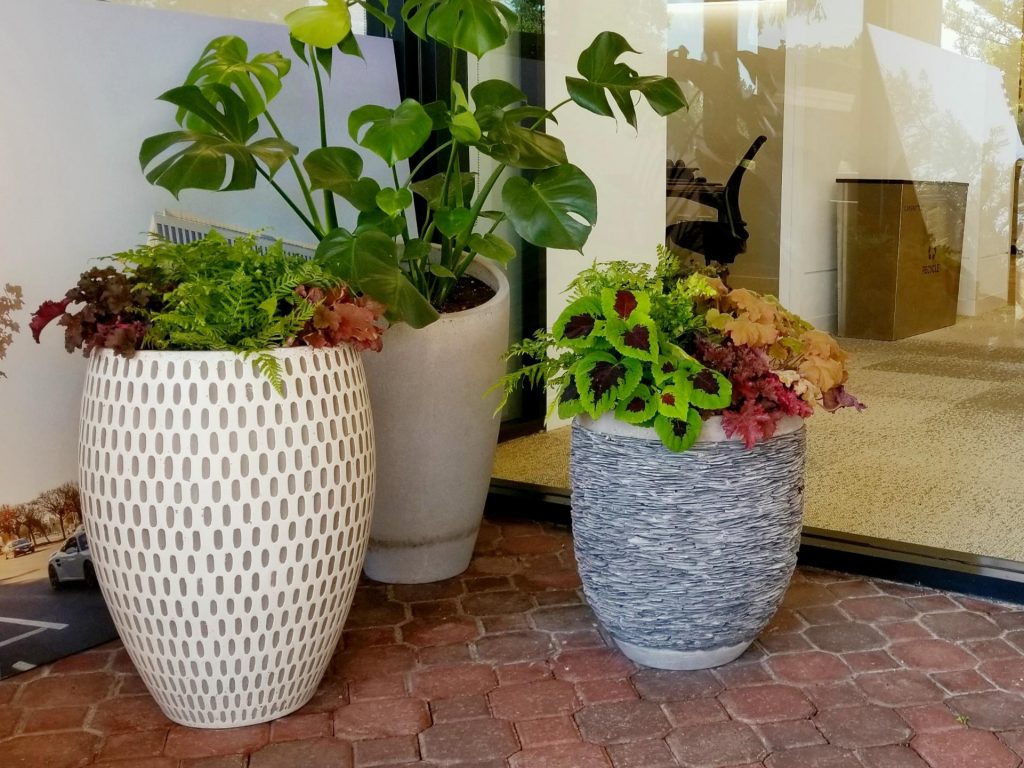
Achieving these outcomes requires more than simply placing potted plants near desks. Scale, species selection, container design, and spatial planning all influence results. Professional design teams evaluate traffic patterns, lighting sources, and architectural flow to ensure plants enhance productivity rather than obstruct it.
Managing Plant Health and Workplace Hygiene
Healthy indoor plants contribute to a professional atmosphere. Unhealthy plants can have the opposite effect. In commercial environments, plant care must address not only aesthetics but also hygiene and pest management.
Common plant-related pest concerns in interior settings include:
- Aphids
- Mealybugs
- Spider mites
- Fungus gnats
- Scale insects
These pests can spread quickly if not identified early. While indoor plants are generally low risk when properly maintained, neglect can allow infestations to develop. This may affect both plant vitality and workplace comfort.
Routine monitoring, integrated pest management practices, and preventative horticultural strategies are essential in commercial environments. Professional plant care specialists understand how to identify early warning signs and implement discreet solutions that protect both plants and occupants.
Sustainable plant programs also incorporate soil management, pruning schedules, nutrient balancing, and safe treatment protocols. This structured approach ensures that greenery remains a long-term asset rather than a short-term decorative feature.
Organizations seeking deeper insight into professional plant management standards can learn more about the team’s background and horticultural philosophy by visiting the page where you can learn more about us.
Long-Term Value of Professionally Managed Indoor Plants
The strategic use of indoor plants extends beyond aesthetics. It influences employee retention, corporate image, and brand perception. Clients and visitors often form immediate impressions based on environmental quality. A thoughtfully designed green environment signals attention to detail and care.
Professionally managed indoor plant programs provide:
- Consistent plant health and visual quality
- Customized plant selections based on lighting conditions
- Seamless container design integration
- Ongoing maintenance and monitoring
- Risk reduction through proactive pest control
Expert teams evaluate each space individually, recommending species that thrive under specific conditions. Whether designing a reception area, executive suite, collaborative workspace, or hospitality environment, professional plant planners ensure that indoor plants align with the organization’s goals and architectural identity.
For organizations evaluating design options and plant selection strategies, exploring solutions tailored to indoor plants for your space can provide practical examples of structured plant programs.
The most effective plant installations are not accidental. They are the result of horticultural science, environmental analysis, and disciplined maintenance systems. By partnering with professionals who understand the complexities of commercial plant care, organizations can fully realize the well-being and productivity benefits that indoor plants provide.
Indoor environments influence how people think, feel, and perform. When indoor plants are selected and maintained with expertise, they become powerful contributors to workplace success.
Elevate Your Workplace with Expert Plant Design
For tailored plant design and professional care solutions, contact Creative Plant Design Inc. to learn how strategic indoor plant programs can elevate your office environment.