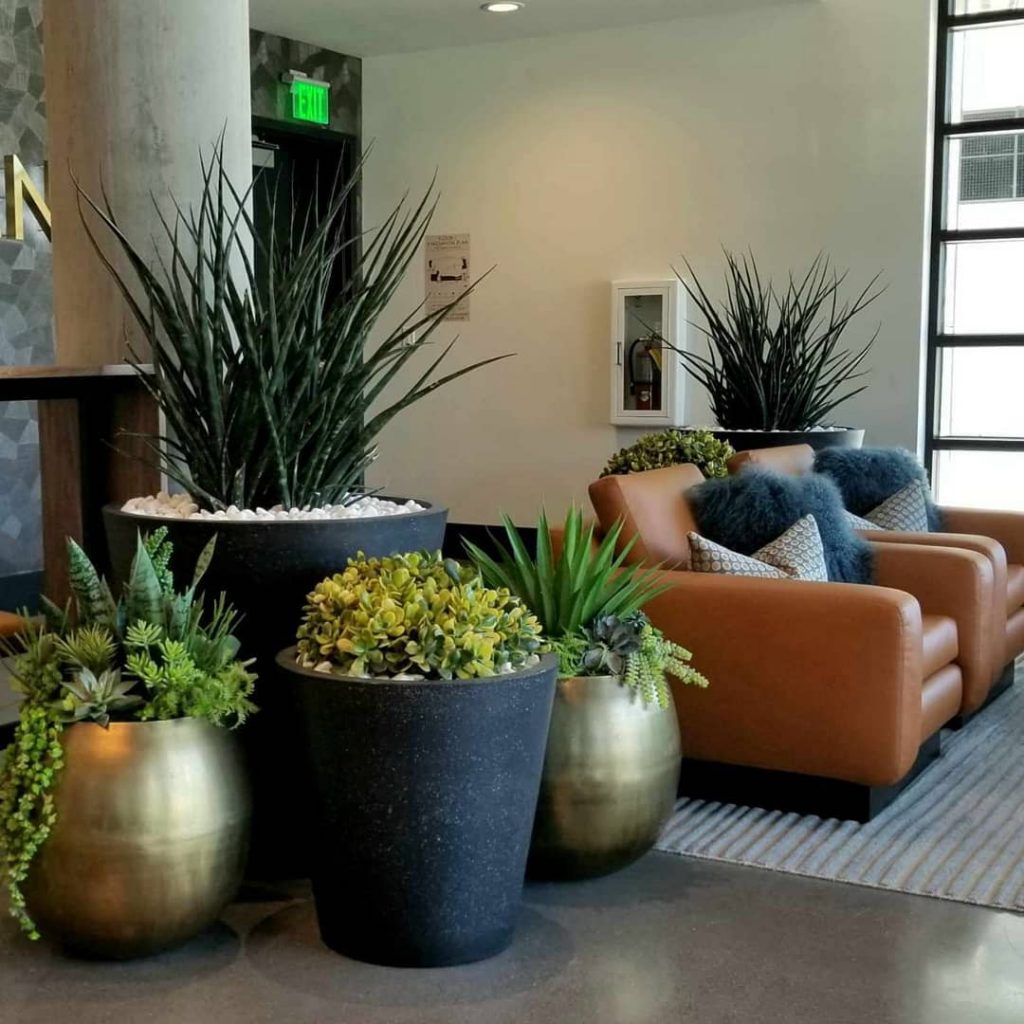
Low-light spaces can still feel polished, welcoming, and intentionally designed with the right plant strategy. Many offices, lobbies, corridors, conference rooms, malls, hotels, and corporate campuses have areas where natural light is limited by interior walls, tinted glass, shaded entries, or deep floor plans. The challenge is choosing greenery that fits the space instead of forcing plants into conditions where they will decline quickly.
Decorative plants should be selected with light, traffic flow, maintenance access, design goals, and long-term appearance in mind. Some low-light rooms can support carefully chosen live plants. Others may be better suited for replica plants, moss walls, or mixed displays that create a natural effect without relying on perfect growing conditions. Professional plant design helps match the right feature to the right environment, so the space looks fresh without becoming difficult to manage.
Start By Understanding The Light Level
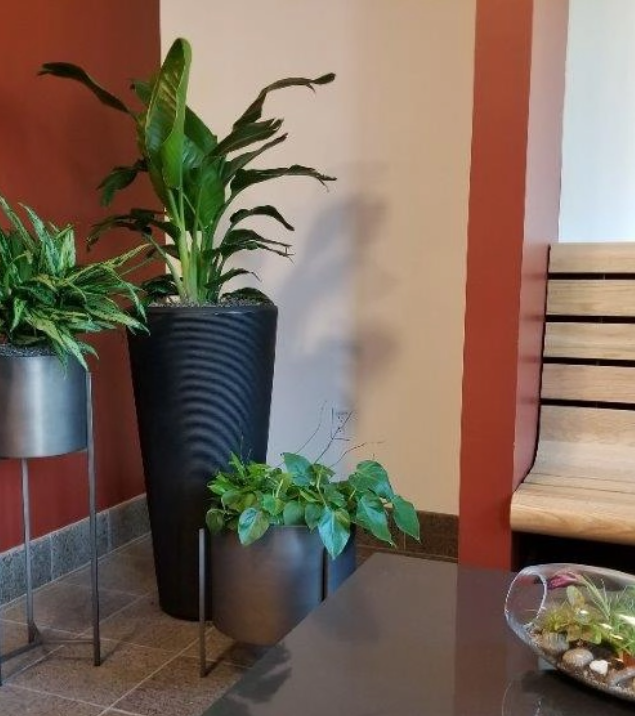
Low light does mean no light. A room may have indirect daylight, borrowed light from nearby windows, artificial lighting, or shaded exposure that changes throughout the day. Before selecting plants, the actual conditions should be evaluated carefully.
- Observe how much daylight reaches the space during the morning, midday, and afternoon.
- Note whether nearby windows are blocked by buildings, blinds, or tinted glass.
- Consider how often overhead lights stay on during business hours.
- Identify corners, hallways, and waiting areas where plants may receive the least light.
This assessment helps avoid choosing plants based only on appearance. A beautiful plant placed in the wrong location may lose color, thin out, or become uneven over time.
Match Plant Choices To Real Office Conditions
Low-light plant selection should account for more than brightness. Temperature, airflow, foot traffic, ceiling height, furniture placement, and maintenance access all affect how a display performs. A plant near an air vent may dry differently from one in a calm lobby corner. A hallway plant may need a compact shape, while a reception area may support a larger focal display.
This is where professional plant installation becomes valuable. Installation planning considers the space, container size, plant scale, traffic flow, and visual balance before anything is placed. The result looks more intentional than a random collection of pots.
For low-light interiors, durable live plants may work in some areas, while replica plants can support darker or hard-to-reach locations. The best design often uses both practical and visual judgment.
Consider Replica Plants And Moss Features
Some low-light spaces are not ideal for living plants, even with careful selection. In those areas, replica plants, preserved moss walls, and custom natural-style features can maintain the look of greenery without the same light or watering demands. This is especially useful for interior corridors, windowless rooms, elevators, high shelves, or areas where regular access is limited.
- Replica plants can add greenery where live plants would struggle.
- Moss walls create texture and visual interest without routine watering.
- Mixed displays can combine living plants with low-maintenance accents.
- Custom features can match the architecture, brand colors, and room scale.
The goal is not to pretend every corner has perfect growing conditions. The goal is to design honestly around the space, so the finished look stays attractive over time.
Plan For Maintenance Before Installation
Even low-light-friendly live plants need care. Watering, dusting, pruning, fertilizing, rotation, and replacement planning help displays stay professional. Living walls require even more attention because irrigation, lighting, airflow, plant health, and seasonal changes all affect performance.
A guide to living wall care shows why vertical plant systems need consistent oversight. The same principle applies to office plant displays. Maintenance should be considered before installation, not after plants begin to decline.
For businesses, this is a practical issue. Faded leaves, dry soil, uneven growth, and neglected containers can make a space feel tired. A maintenance plan protects the design investment and keeps the display aligned with the company’s image.
Choose A Design That Supports The Space
The best low-light plant plan is one that improves the room without creating clutter or maintenance stress. Indoor plants, moss walls, living walls, replica plants, patio landscaping, and holiday décor can all support different parts of a commercial environment. The key is choosing the right feature for each location.
- Use live plants where light and access can support healthy growth.
- Choose replica plants for darker corners, shelves, or hard-to-service areas.
- Add moss walls where texture and low-maintenance impact are priorities.
- Coordinate seasonal décor so the space feels consistent year-round.
A professional design approach considers proportion, materials, containers, sightlines, and how people move through the space. In low-light areas, that expertise becomes even more important because plant choices must balance beauty with realistic performance. With the right plan, even darker interiors can feel warmer, more refined, and more connected to nature.
Bring The Right Greenery Into Every Corner
For decorative plants, replica plant styling, moss walls, living walls, indoor plant design, installation, and maintenance guidance that fits low-light spaces without overcomplicating daily operations, contact Creative Plant Design Inc. for professional support shaped around your commercial interior.