
Spring can change how an office feels without moving a single desk. Brighter days make spaces look sharper, and that extra daylight tends to highlight what feels stale. Bringing in spring plants is one of the most practical ways to refresh a workplace because it improves the look of the space while supporting comfort and consistency across the workday.
The key is making selections that actually succeed in an office setting. Commercial interiors have unique constraints, including mixed lighting, HVAC airflow, and busy traffic patterns. When spring plants are chosen with those realities in mind, the result looks intentional and stays attractive. When choices are made without a plan, plants decline quickly, and the “refresh” becomes a constant cycle of replacement. The guidelines below reflect how professional interiorscape teams evaluate a workspace and build a plant plan designed to last.
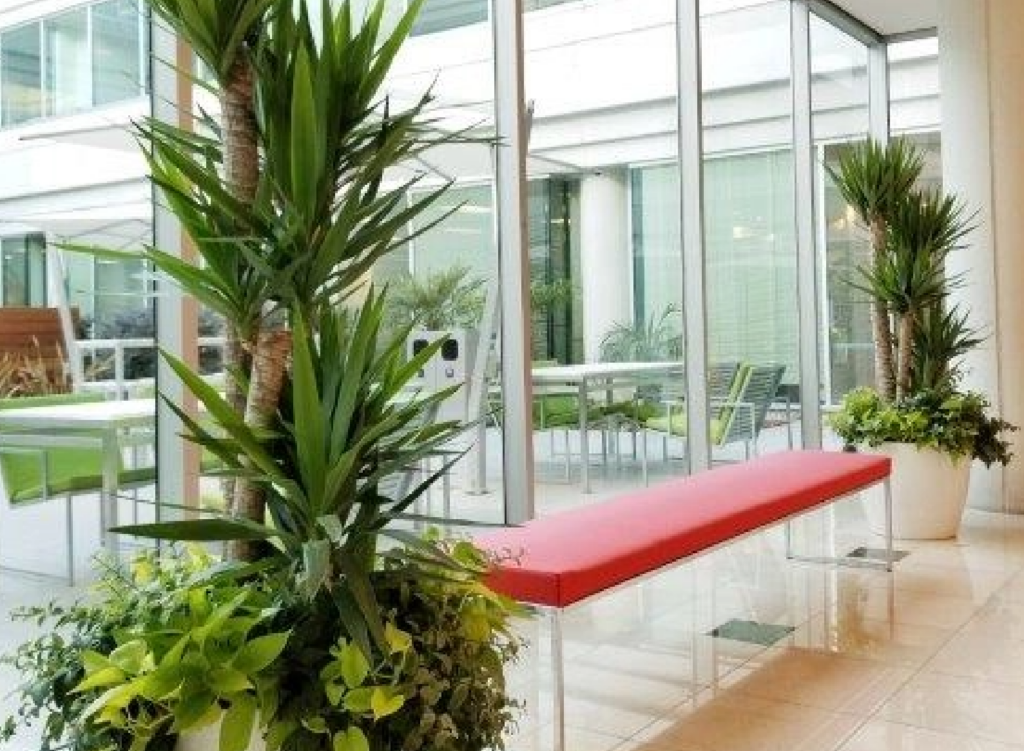
Start with the office conditions that will control plant success
Before picking varieties, start with the environment. In professional settings, plant performance is driven less by the season and more by what the building can support. A strong plant plan begins with a real-world review of how the space behaves, not how it looks at noon on a sunny day.
Focus on these decision points:
- Light map, not light guess
Identify bright zones, medium-light areas, and corners that stay dim all day. Note window direction, tinting, overhangs, and whether blinds stay closed during work hours. - Distance from windows matters
A plant that thrives at the glass may struggle just a few meters back. Interiors often have a fast drop-off in usable light. - HVAC patterns and drafts
Vents, entry doors, and temperature swings can dry foliage and stress roots. Spring plants that prefer stable conditions should be placed away from direct airflow. - Humidity and indoor dryness
Many offices run dry, especially with constant cooling. Species selection should match those realities. - Traffic flow and safety
Plant placement must avoid walkways, emergency exits, and high-traffic corners where containers get bumped.
A professional site assessment is valuable because it turns “this area seems bright” into measurable placement decisions. That reduces trial and error and keeps spring plants looking good longer.
Choose spring plants by role: impact plants, support plants, and finishing touches
In offices, spring plants should be selected like a design system, not a collection of individual pots. The goal is to build a layered look that fits the space and stays presentable with consistent care.
A practical way to plan is to assign roles:
- Impact plants
Larger floor plants that create immediate visual presence in lobbies, reception areas, and open collaboration zones. - Support plants
Medium-sized plants that fill sightlines, soften corners, and add rhythm along corridors without overwhelming the space. - Finishing touches
Smaller tabletop plants or accent groupings used sparingly to add seasonal freshness where people pause and gather.
Within each role, prioritize varieties that match the building’s light level and maintenance cadence. A beautiful spring plant that needs frequent hands-on attention is rarely the best choice for a workplace. For offices that want a curated approach with dependable results, it helps to review proven options designed for commercial interiors through theseindoor plant solutions. That kind of selection framework keeps the design cohesive and reduces the risk of choosing plants that are visually appealing but impractical indoors.
Match spring plants to office design, branding, and layout
Even healthy plants can look “off” if the design does not match the space. In professional interiors, scale, container style, and placement are what make spring plants feel intentional rather than temporary.
Use these layout principles:
- Reception is the first impression zone
Choose a statement placement that feels confident and clean, with containers that align with finishes already in the lobby. - Open offices need structure without clutter
Use taller plants to define zones and soften long lines, but keep clearance around walkways and shared equipment areas. - Conference rooms benefit from restraint
One or two well-placed plants often outperform multiple small pots that compete with screens, cables, and tabletop space. - Break areas can handle more personality
Spring plants with brighter foliage or softer forms tend to work well where people reset and recharge. - Container selection matters as much as the plant
Commercial-grade planters should fit brand tone, be stable, and be easy to service discreetly.
Professional design teams also consider how plantings will photograph, how they will look from the entrance sightline, and how they will read from seated eye level. That is the difference between “plants in the office” and a space that feels finished.
Plan for maintenance from day one so the space stays polished
Spring plants look their best when care is consistent and proactive. Offices are not ideal environments for casual plant care because schedules fluctuate, responsibility gets passed around, and it is easy to overwater or forget key details. A structured maintenance plan prevents decline and protects the visual standard of the workplace.
A dependable plan usually includes:
- Watering aligned to the building, not a generic calendar
Light levels, pot size, and HVAC conditions change how quickly soil dries. A one-size schedule tends to cause overwatering in dim zones and underwatering in bright zones. - Grooming and pruning for a clean look
Removing damaged leaves, shaping growth, and keeping containers tidy is what maintains a professional appearance. - Nutrient management and seasonal adjustments
Spring growth can increase nutrient needs, but dosing must match plant type and interior conditions. - Pest monitoring and early intervention
Indoor pests spread quietly. Regular checks prevent small issues from becoming disruptions. - Replacement planning when appearance drops
In commercial spaces, aesthetics are part of performance. A plan should address what happens when a plant no longer looks attractive.
This is where professional support becomes a practical efficiency choice. Instead of asking office staff to manage live plants between meetings and deadlines, a dedicated service plan keeps the environment consistent and prevents that slow slide from “fresh spring look” to “sad corner plant.” To know more about the standards and expertise behind commercial plant care, explore our team’s background and experience.
Create a Thoughtful Spring Refresh
If the goal is a spring refresh that looks intentional, stays healthy, and fits the way an office actually functions, professional planning makes the difference. Contact Creative Plant Design Inc. to discuss a spring plant program tailored to your workspace.