Introducing office plants into a workspace is often seen as a simple upgrade. In reality, it is a layered decision that affects not only visual appeal but also long-term maintenance, environmental balance, and employee experience. The type of plant chosen can influence how well it adapts, how much care it requires, and how effectively it contributes to the overall environment.
A thoughtful selection process goes beyond aesthetics. It requires an understanding of the space, the demands of each plant type, and the level of ongoing care needed to sustain healthy growth. When these factors are aligned, office plants become a stable and valuable part of the workplace.
Evaluating Light and Environmental Conditions
Light is one of the most important factors when choosing between plant types. Office environments vary widely in terms of natural and artificial lighting, and not all plants respond the same way to these conditions.
Some office plants thrive in bright, indirect light, while others are better suited for low-light environments. Temperature and humidity also influence how well plants adapt, especially in spaces with constant climate control.
A careful evaluation of these elements helps prevent mismatches that can lead to plant decline. For additional perspective, our resource on choosing indoor spring plants highlights how environmental factors shape plant success.
- Identify areas with consistent natural light exposure
- Assess reliance on artificial lighting throughout the day
- Monitor temperature stability across different zones
- Consider humidity levels affected by HVAC systems
Understanding these conditions allows for more accurate plant selection and long-term stability.
Matching Plant Types With Maintenance Requirements
Not all office plants require the same level of care. Some varieties are highly resilient and require minimal attention, while others demand regular watering, pruning, and monitoring.
Maintenance requirements should align with the capacity of the workspace to support ongoing care. Without consistency, even the most visually appealing plants can quickly lose their health and structure.
Professional plant services often help bridge this gap by providing scheduled care and oversight.
- Choose low-maintenance plants for high-traffic or busy environments
- Consider growth patterns that require periodic pruning
- Evaluate watering frequency based on plant type
- Account for long-term care needs, not just initial placement
Aligning plant types with realistic maintenance expectations supports lasting results.
Considering the Purpose of Office Plants in the Space
Office plants serve more than one function. While they enhance visual appeal, they also contribute to how a workspace feels and operates. The purpose behind adding plants should guide the selection process.
Some plants are chosen for their ability to soften architectural lines, while others are placed to improve air quality or create visual separation within open layouts. Understanding these roles helps determine which plant types are most appropriate.
As discussed in our recent article on plants and workplace productivity, well-placed greenery can influence focus, comfort, and overall well-being.
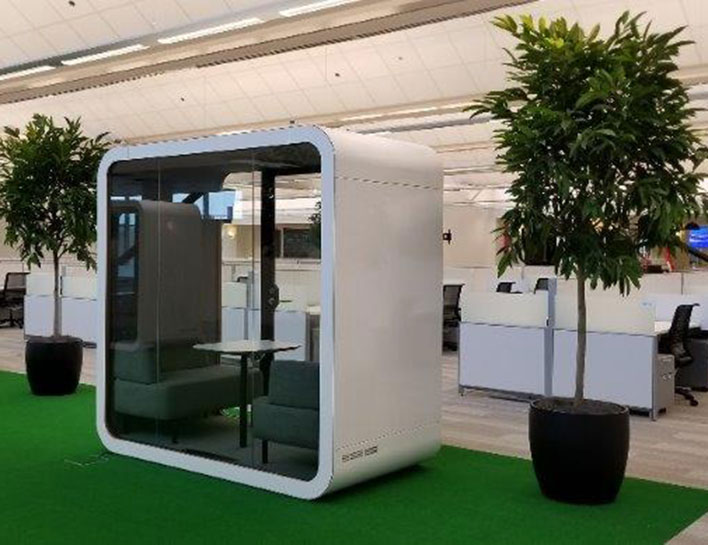
- Use larger plants to define spaces or create natural partitions
- Select compact plants for desks and smaller surfaces
- Choose varieties that complement the office design aesthetic
- Consider placement that enhances both function and appearance
A clear purpose ensures that plant selection supports the broader design of the workspace.
The Value of Professional Design and Installation
Selecting office plants is only one part of the process. Placement, installation, and long-term integration are equally important in achieving a cohesive and functional result.
Professional design services evaluate the layout of the space, identify optimal plant locations, and ensure that each plant is positioned for both visual impact and environmental compatibility. Installation further ensures that plants are introduced in a way that supports their health from the start.
These services help avoid common challenges such as overcrowding, improper placement, and inconsistent plant performance.
- Design planning aligns plant types with spatial layout
- Installation ensures proper positioning and initial care
- Selection is guided by both aesthetic and environmental factors
- Ongoing strategies support consistency and long-term success
This structured approach allows office plants to become a seamless part of the workspace.
Long-Term Performance and Adaptability of Plant Types
Choosing between plant types also involves considering how well they will perform over time. Office environments are dynamic, with changes in lighting, layout, and usage affecting plant conditions.
Adaptability is a key factor. Plants that can adjust to subtle shifts in their environment are more likely to maintain their health and appearance. This reduces the need for frequent replacements and supports a more stable indoor landscape.
Monitoring and adjustment play an important role in maintaining plant performance. Small changes in care or placement can make a significant difference in how plants respond to their environment.
A long-term perspective ensures that plant selection remains effective beyond the initial installation.
A Thoughtful Approach to Office Plant Selection
Choosing the right office plants requires more than selecting what looks appealing in the moment. It involves balancing environmental conditions, maintenance needs, and long-term performance to create a workspace that feels both functional and inviting.For expert guidance and ongoing plant care support, connect with Creative Plant Design Inc. and take a more informed approach to enhancing your office environment.