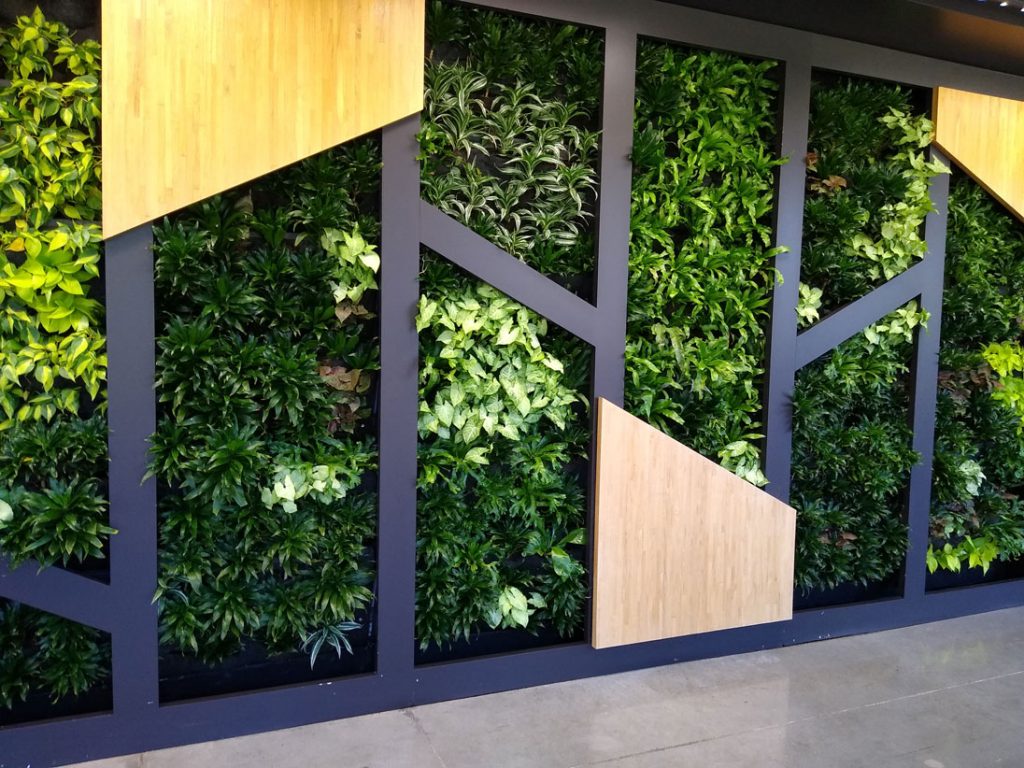
A living wall is more than a design feature. It is a carefully engineered system that integrates horticulture, architecture, and long-term plant care into one cohesive installation. When properly designed and maintained, a living wall transforms interior spaces into dynamic environments that support wellness, strengthen brand identity, and enhance environmental quality.
From corporate offices to hospitality spaces, decision makers often ask whether a living wall is worth the investment. The answer lies in understanding its functional value, aesthetic impact, and maintenance requirements. With professional planning and oversight, a living wall becomes a long-term asset rather than a decorative expense.
The Visual and Brand Impact of a Living Wall
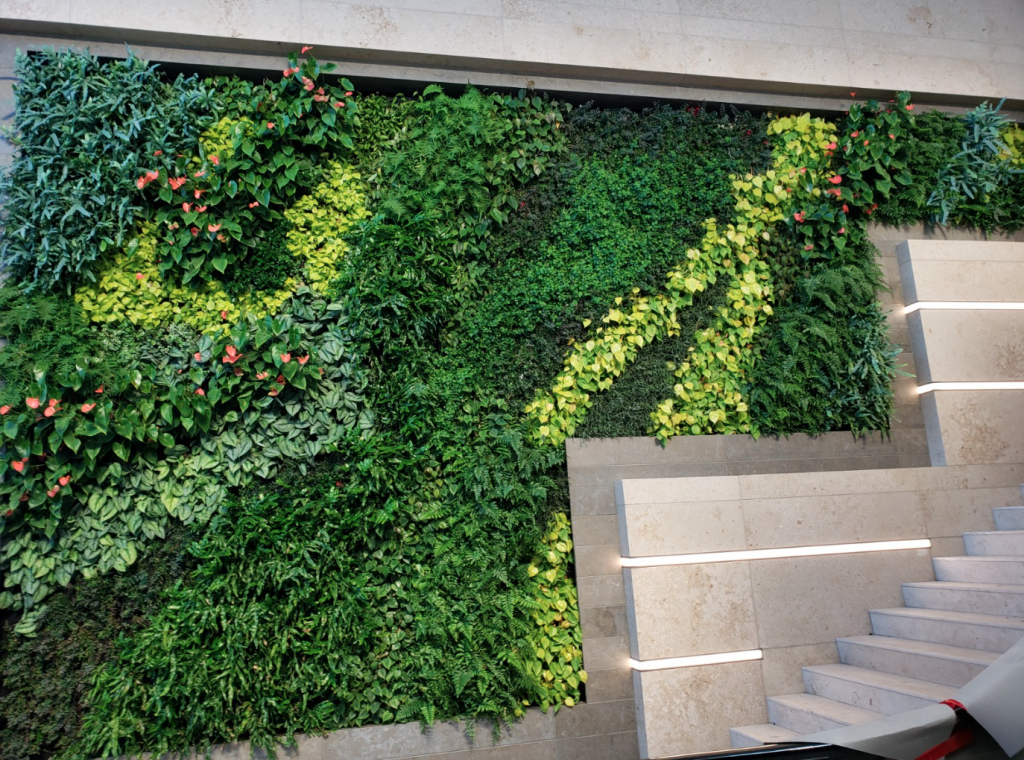
A living wall immediately elevates a space. Unlike traditional potted plants, vertical greenery introduces scale, texture, and depth that cannot be replicated through artwork or surface finishes alone.
Organizations that invest in a living wall often experience:
- A strong visual focal point that defines reception areas or gathering spaces
- Enhanced first impressions for clients and visitors
- Reinforcement of sustainability values and environmental awareness
- A distinctive architectural feature that sets the brand apart
In competitive industries, spatial design communicates credibility. A thoughtfully integrated living wall signals attention to detail and long-term vision. It reflects a commitment to well-being and environmental responsibility without overt messaging.
However, achieving this impact requires careful species selection, structural planning, irrigation design, and lighting coordination. Vertical installations demand horticultural precision to maintain uniform growth patterns and color balance. Professional oversight ensures the wall remains vibrant and structurally sound over time.
Environmental and Wellness Benefits
Beyond aesthetics, a living wall contributes to measurable environmental improvements within interior spaces. When plants are installed at scale, their cumulative effects on indoor conditions become more pronounced.
Key benefits include:
- Improved humidity balance in climate-controlled buildings
- Enhanced acoustic absorption in open layouts
- Reduced glare and visual fatigue from reflective surfaces
- Support for psychological well-being through biophilic design
Research consistently demonstrates that exposure to greenery reduces stress and supports cognitive function. A living wall magnifies this effect by creating an immersive natural element within built environments.
Employees working near large-scale plant installations often report greater comfort and improved concentration. Hospitality environments benefit from extended guest dwell time and a more welcoming atmosphere. These indirect returns on investment contribute to stronger employee engagement and client satisfaction.
To fully realize these outcomes, design and maintenance strategies must be aligned with the building’s infrastructure. Water delivery systems, drainage, and lighting must be calibrated precisely. This level of integration underscores why professional expertise is critical to long-term success.
Long-Term Financial Value and ROI
While initial installation costs may appear substantial, a living wall should be evaluated through a long-term lens. When properly maintained, it provides ongoing returns across several dimensions.
Financial and operational advantages include:
- Increased property value through enhanced architectural features
- Strengthened brand perception that supports marketing initiatives
- Reduced need for additional decorative elements
- Greater employee retention linked to improved workplace satisfaction
A living wall also serves as a durable design investment. Unlike seasonal décor or temporary displays, vertical plant systems are engineered for longevity. With structured maintenance programs, plant health remains consistent year after year.
Maintenance planning is essential. Soil composition, nutrient management, pruning schedules, and irrigation monitoring all influence performance. Attempting to manage a complex vertical system without specialized horticultural knowledge can compromise plant vitality and system efficiency.
Organizations seeking deeper insight into the horticultural expertise behind professional plant installations can learn more about the experience guiding these services by visiting a page where you can know more about us. Understanding the standards and philosophy behind commercial plant programs clarifies why structured maintenance is central to long-term value.
Managing Plant Health and Pest Control
A thriving living wall depends on proactive plant health management. In commercial environments, pest prevention and early detection are critical components of responsible care.
Common indoor plant pests that require monitoring include:
- Aphids
- Mealybugs
- Spider mites
- Fungus gnats
- Scale insects
These pests can affect plant vitality and visual consistency if not addressed promptly. In vertical systems, early identification is especially important because infestations can spread across multiple plant sections.
Professional maintenance programs typically include routine inspections, integrated pest management protocols, and safe treatment strategies. These measures protect both plant health and occupant safety.
In addition to pest monitoring, plant health programs include irrigation calibration, root zone assessment, and structural inspections of mounting systems. This comprehensive approach ensures that the living wall remains an asset rather than becoming a maintenance concern.
The complexity of vertical plant systems makes ongoing professional care indispensable. Expertise in horticulture and environmental management protects the original investment while preserving aesthetic and environmental benefits.
Strategic Design and Customization
Every living wall is unique. Factors such as lighting exposure, wall orientation, airflow patterns, and architectural constraints influence plant selection and system configuration.
Professional design teams evaluate:
- Light intensity and distribution throughout the day
- Structural load capacity of installation surfaces
- Irrigation integration with building systems
- Accessibility for maintenance and plant replacement
Customization allows the living wall to align with brand identity and spatial goals. Plant species can be selected for texture, color variation, or growth patterns that complement the surrounding architecture.
For organizations exploring how vertical greenery can be tailored to their specific space, reviewing detailed examples of living wall design options can provide practical insight into system configurations and aesthetic possibilities.
The most successful installations balance artistic vision with horticultural science. This balance ensures that the living wall not only looks impressive on day one but continues to perform effectively over time.
A well-executed living wall represents a convergence of design, engineering, and plant expertise. It enhances environmental quality, strengthens brand identity, and contributes to occupant well-being. When evaluated as a long-term strategic asset rather than a decorative feature, its value becomes clear.
Invest in Expertise for Lasting Impact
To ensure that your living wall delivers lasting performance and professional care, contact Creative Plant Design Inc. to discuss customized solutions for your space.