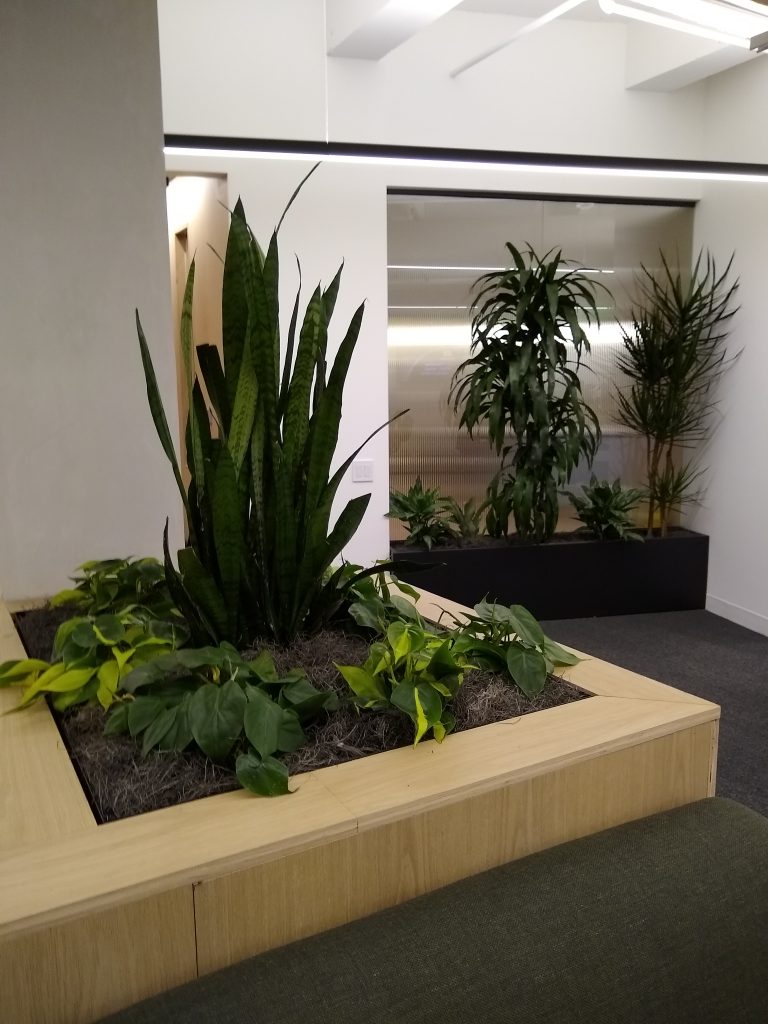
Commercial plants add warmth, texture, and visual balance to offices, hotels, shopping centers, corporate campuses, and other business environments. However, keeping those displays healthy involves more than adding water on a fixed schedule. Light, airflow, soil conditions, container size, plant species, and seasonal changes all influence how greenery performs.
A professional plant maintenance service brings these details together through regular care, health monitoring, grooming, and timely adjustments. The objective is to preserve the original design while keeping plants attractive, stable, and appropriate for the space.
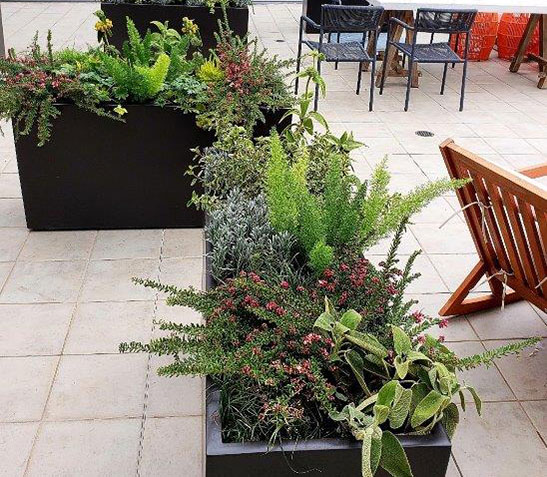
Service Begins With an Evaluation of the Environment
Plant maintenance starts with understanding the conditions surrounding each display. A plant that thrives near a bright lobby window may struggle in a dim corridor, while direct air-conditioning can dry foliage even when the soil remains moist.
Technicians may evaluate:
- Light levels around windows, work areas, lobbies, and shared spaces.
- Airflow from vents, doors, fans, and changing indoor temperatures.
- Container size, drainage, soil condition, and root-zone moisture.
- Traffic patterns that expose plants to bumps, dust, or repeated disturbance.
- Plant species and whether each one remains suited to its location.
This review helps prevent one-size-fits-all care. The service schedule and maintenance decisions can then reflect what each plant and location actually requires.
Routine Visits Cover More Than Watering
Watering is important, but professional care includes several tasks that support appearance and long-term health. Technicians check the soil before watering because different containers and locations dry at different rates. They also inspect foliage, remove declining growth, clean surfaces, and make small adjustments before problems become highly visible.
A typical visit may involve:
- Watering according to current soil moisture and plant needs.
- Prune yellow, damaged, crowded, or uneven growth.
- Dusting leaves so displays remain clean and presentation-ready.
- Fertilizing when the plant, season, and indoor conditions support it.
- Checking for pests, disease symptoms, drainage trouble, or root stress.
Consistent visits keep maintenance from becoming a reaction to drooping leaves or dry soil. They also allow technicians to compare current conditions with earlier visits and recognize a gradual decline sooner. For specialized vertical displays, this overview of living wall care explains why irrigation, lighting, pruning, and seasonal adjustments require close attention.
Living Walls Require Specialized Year-Round Attention
Living walls create a strong visual feature, but their vertical design makes maintenance more complex than caring for individual floor plants. Plants may receive different amounts of light, airflow, and water depending on their position within the installation. A problem in one section can affect the finished appearance of the entire wall.
Professional living-wall maintenance may include checking irrigation or hand-watering systems, removing declining plants, trimming uneven growth, cleaning surrounding surfaces, and monitoring areas that dry faster than others. Technicians can also identify whether a plant needs repositioning or replacement to preserve visual consistency.
Health Monitoring Protects the Original Plant Design
Plants can decline slowly, especially in commercial spaces where employees are focused on other responsibilities. Early signs may include fading color, leaf drop, pests, uneven growth, compacted soil, or recurring dryness. Professional monitoring catches these changes before they weaken the overall display.
Plant care can also support a more comfortable workplace atmosphere. This discussion of healthier office greenery connects consistent plant care with cleaner, better-maintained interior environments and the broader value of workplace greenery.
A maintenance program may address:
- Pest or disease activity before it spreads to nearby plants.
- Placement problems caused by changing light, furniture, or office layouts.
- Plants that no longer match the visual standard of the property.
- Seasonal watering, pruning, or fertilizing adjustments.
- Replacement needs when a display cannot recover appropriately.
The purpose is not to keep every original plant indefinitely. It is to maintain the intended look and select the right response when conditions or plant health change.
Professional Service Keeps Commercial Displays Consistent
The greatest advantage of professional plant maintenance is continuity. A trained team follows a regular process, documents concerns, communicates needed changes, and keeps plant care from becoming another responsibility for office staff.
A complete service may include indoor plant design support, installation, watering, pruning, dusting, fertilizing, health checks, pest and disease monitoring, and replacement when needed. It may also extend to living walls, replica plants, preserved moss walls, patio landscaping, and holiday décor, depending on the property’s design program.
Professional maintenance is particularly valuable for businesses with multiple displays, varied light conditions, high-visibility lobbies, or several locations. The same care plan cannot simply be copied from one room to another. Each display needs attention based on its species, placement, container, and surroundings.
Over time, scheduled care protects both the plants and the investment made in the original design. Healthy, clean, well-shaped greenery helps commercial spaces remain polished without requiring employees to guess about watering, pruning, or replacement.
Keep Every Plant Display Looking Intentional
Professional care helps commercial greenery stay healthy, balanced, and ready for employees and visitors throughout the year. Contact Creative Plant Design, Inc for plant maintenance shaped around your space, plant displays, and long-term presentation goals.