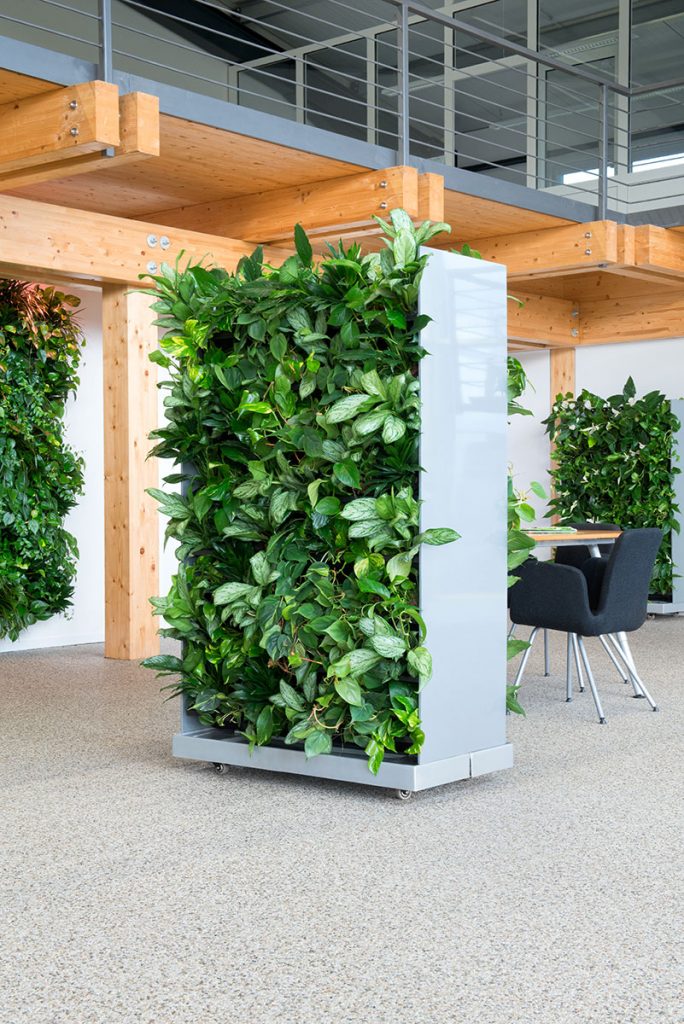
A living wall can transform a commercial interior by adding color, texture, and a strong natural focal point without taking up valuable floor space. However, the most successful installations are planned as complete plant systems rather than simple decorative features.
Before moving forward with living wall installation, it is important to evaluate the wall, lighting, irrigation, plant selection, maintenance access, and how the feature will fit the surrounding space. These decisions influence both the finished appearance and long-term plant health.
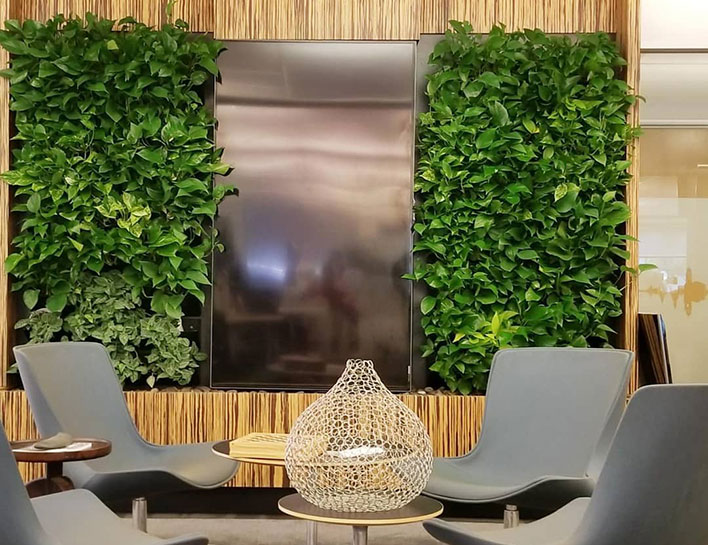
Evaluate The Wall And Surrounding Space First
The wall itself determines what type of vertical plant system can be installed safely and effectively. Dimensions, available depth, nearby furniture, traffic flow, electrical access, and the condition of the mounting surface all need to be considered before design work begins.
Key considerations include:
- Wall dimensions and available mounting area
- Structural condition of the intended surface
- Clearance around doors, furniture, and walkways
- Visibility from entrances and primary sightlines
- Access for watering, pruning, and plant replacement
- Nearby electrical fixtures or other building systems
In compact commercial interiors, vertical greenery can be especially valuable because it creates visual impact without consuming usable floor area. Thoughtful planning for small lobby greenery can help maintain circulation while giving the space a stronger design identity.
Match Plant Selection To Light And Interior Conditions
Plant choice should be based on the conditions that actually exist in the building. Natural light levels, artificial lighting, temperature, humidity, airflow, and proximity to heating or cooling vents can all affect plant performance.
A visually appealing plant may not be suitable for every wall. Some varieties tolerate lower-light environments better, while others need stronger or more consistent light to maintain healthy growth and full coverage.
Plant selection should also support the desired look. Differences in leaf size, color, growth habit, and texture can create depth and variation across the wall. Combinations should also remain practical to maintain as plants develop.
Professional design helps balance appearance with environmental compatibility. This reduces the chance of weak growth, uneven coverage, or frequent replacement after installation.
Plan Irrigation And Maintenance From The Beginning
Living walls require ongoing care, and the maintenance system should be considered before the first plant is installed. Depending on the wall system, irrigation may be plumbed, use tray-overflow methods, or rely on technician watering.
Important planning points include:
- Watering method appropriate for the selected wall system
- Drainage that protects floors and nearby finishes
- Easy access to individual plants and wall sections
- Regular pruning to maintain shape and balanced growth
- Inspection for plant-health or irrigation problems
- Replacement of plants that decline over time
Maintenance access is especially important in tall or tightly positioned installations. Technicians still need practical access for watering, grooming, irrigation checks, and plant replacement.
Treating maintenance as part of the original design makes the feature easier to manage and helps preserve a polished appearance over the long term.
Think About How The Living Wall Fits The Overall Design
A living wall should feel integrated with the room rather than added as an afterthought. Its size, proportions, plant palette, and placement should work with existing furniture, lighting, flooring, signage, and architectural finishes.
This same principle applies to exterior commercial planting. When patio landscaping begins to feel visually unbalanced or disconnected from how people use the space, professional redesign can restore proportion and function. Indoors, a living wall benefits from the same attention to scale and composition.
The strongest installations often become a focal point that supports the character of the room. In reception areas, offices, hotels, malls, and corporate campuses, vertical greenery can soften hard materials and make large walls feel more intentional.
Design decisions should also consider how the wall will look as plants mature. Growth changes spacing, texture, and density, so the initial design needs enough flexibility to remain balanced over time.
Build For Long-Term Performance, Not Just First Impressions
A successful living wall should continue looking healthy and cohesive long after installation day. That requires planning for plant development, seasonal environmental changes, maintenance frequency, and occasional adjustments.
A long-term approach considers:
- Plant varieties suited to the site’s actual conditions
- Consistent watering and irrigation performance
- Routine pruning and grooming requirements
- Monitoring for declining or overcrowded plants
- Replacement strategies that preserve the original design
- Periodic review as lighting or room conditions change
Professional living wall installation brings these factors together before problems develop. Designers and maintenance specialists can evaluate the space, select an appropriate vertical system, choose compatible plants, and establish a care plan that supports the finished feature.
A living wall is both a design element and a living system. When those two functions are planned together, the result is more likely to remain attractive, healthy, and appropriate for the commercial environment instead of becoming difficult to maintain.
Create A Wall That Keeps Growing Beautifully
For custom living wall design, installation, and ongoing maintenance tailored to your commercial space, contact Creative Plant Design, Inc for professional guidance from planning through long-term care.