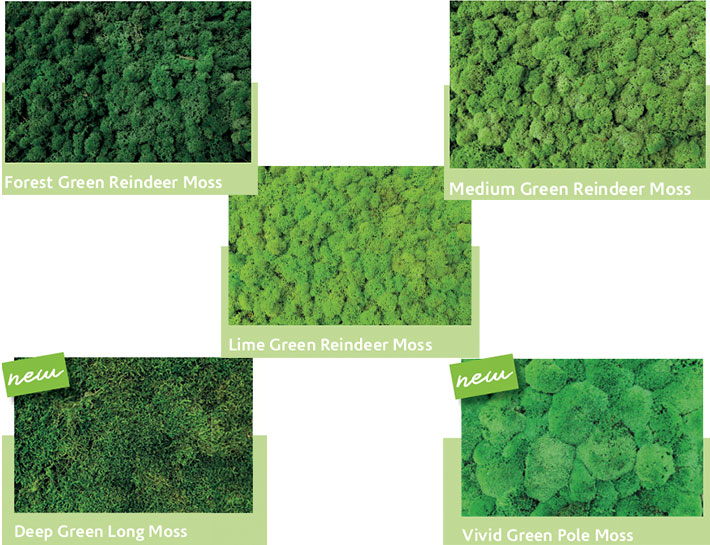
Moss wall installations have become a defining feature in modern interior design, offering a unique blend of natural texture and visual calm. Whether used in corporate environments, hospitality spaces, or residential interiors, a well-executed moss wall design can transform an ordinary wall into a focal point.
From a professional perspective, inspiration is only the starting point. While ideas can be found in many places, translating those ideas into a cohesive and functional design requires careful planning. Understanding where to look and how to interpret inspiration helps ensure that the final result aligns with both aesthetic goals and environmental conditions.
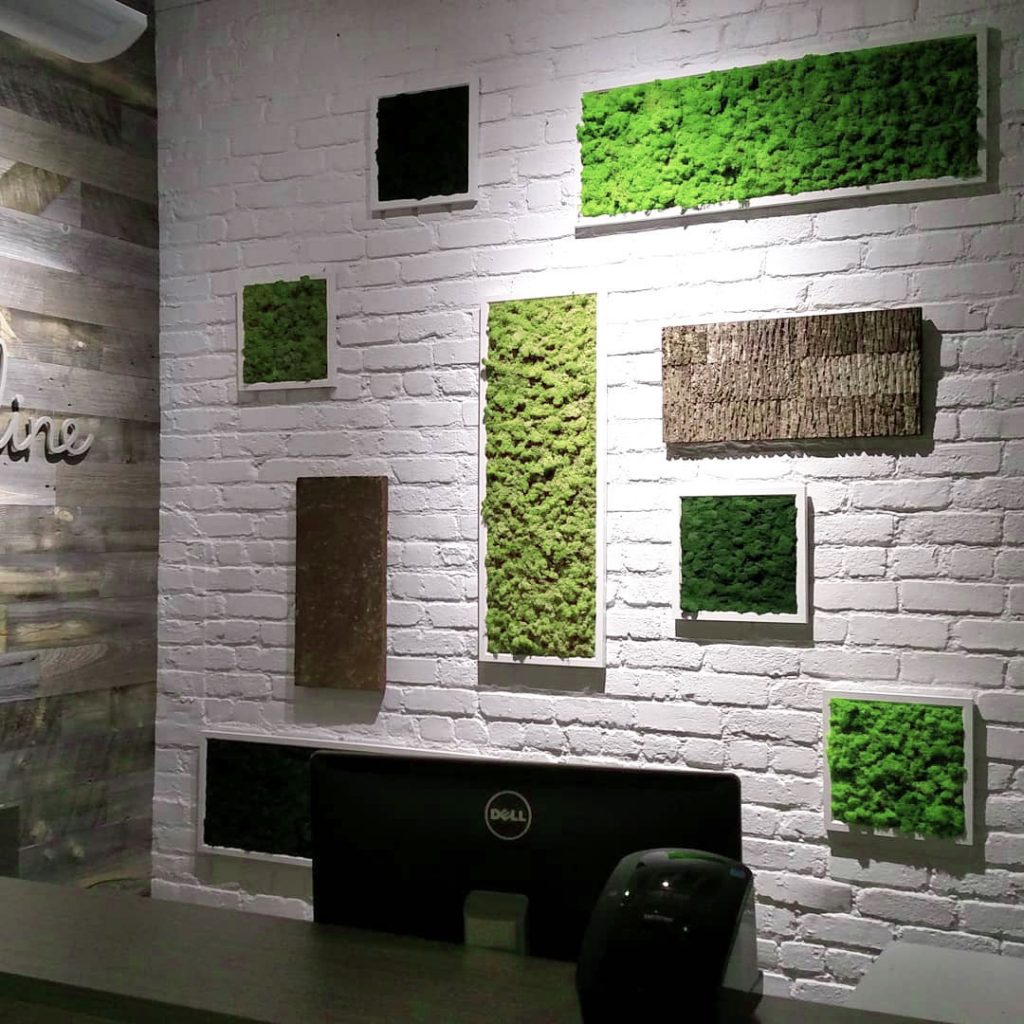
Popular Sources of Moss Wall Design Inspiration
Inspiration for moss wall design can come from a wide range of sources. The key is identifying ideas that are both visually appealing and adaptable to your specific space.
- Interior design portfolios. Professional galleries showcase completed projects across different industries.
- Commercial spaces. Offices, hotels, and retail environments often feature innovative installations.
- Online design platforms. Visual collections provide a variety of styles and layouts.
- Architectural publications. These sources highlight how moss walls integrate with broader design concepts.
- Showrooms and installations. Viewing designs in person offers a better understanding of scale and texture.
While these sources provide valuable ideas, they often present finished concepts without showing the planning process behind them. This is where professional guidance becomes essential.
Understanding Different Moss Wall Design Styles
Not all moss wall designs follow the same approach. Different styles serve different purposes, depending on the environment and design objectives.
- Framed panels. Structured designs that create a clean and defined look.
- Full wall installations. Large-scale applications that cover entire surfaces.
- Patterned designs. Arrangements that incorporate geometric or organic shapes.
- Mixed material displays. Combinations of moss with wood, metal, or other elements.
- Brand-focused designs. Custom layouts that incorporate logos or specific visual themes.
As explored in our resource about living wall comparison, choosing the right type of installation depends on both maintenance expectations and design goals.
Understanding these styles helps narrow down inspiration into practical options that can be applied effectively.
Factors That Influence the Final Design
Inspiration alone does not determine the success of a moss wall design. Several factors influence how the concept translates into a finished installation.
- Space dimensions. The size and shape of the wall affect design possibilities.
- Lighting conditions. Natural and artificial light impact how the moss appears.
- Color palette. Existing design elements should complement the installation.
- Environmental stability. Consistent indoor conditions support long-term quality.
- Intended function. Decorative, acoustic, or branding purposes shape the design approach.
These considerations ensure that the chosen design is not only visually appealing but also suitable for the space. Ignoring these factors can lead to inconsistencies between the original concept and the final result.
Maintaining the Visual Impact Over Time
A moss wall design is intended to remain visually consistent, but changes can occur over time if conditions are not properly managed. Maintaining the original appearance requires attention to environmental and usage factors.
- Avoid direct sunlight. Excess exposure can affect color stability.
- Maintain consistent humidity. Stable conditions help preserve texture.
- Limit physical contact. Reducing handling prevents damage.
- Keep the area clean. Dust and debris can impact appearance.
- Schedule periodic evaluations. Professional assessments identify early signs of change.
For further insight, our resource about moss color issues explains how environmental factors can influence long-term appearance.
Maintaining the installation is an essential part of preserving the value of the design.
Why Professional Design Planning Makes a Difference
Turning inspiration into a functional moss wall design requires more than selecting a style. It involves understanding materials, environmental conditions, and installation techniques that ensure long-term success.
Professional design teams approach moss installations with a comprehensive perspective. They evaluate the space, recommend suitable materials, and create layouts that align with both aesthetic and functional goals. This level of planning ensures that the final design reflects the original vision while meeting practical requirements.
Without this expertise, designs may appear appealing initially but fail to perform over time. Inconsistent placement, unsuitable materials, or overlooked environmental factors can reduce both visual impact and longevity.
A structured approach ensures that every element of the design is considered, resulting in a cohesive and lasting installation.
Where Inspiration Becomes a Lasting Design
Finding inspiration for a moss wall design is only the beginning. The real value comes from transforming that inspiration into a well-executed installation that enhances the space over time. When design ideas are supported by proper planning, material selection, and environmental awareness, they evolve into features that remain visually consistent and impactful long after installation.
A thoughtful approach also ensures that the design continues to align with the surrounding space, maintaining balance, texture, and overall cohesion. This level of refinement is what separates temporary visual appeal from a truly lasting design element.
For expert guidance and thoughtful design solutions, connect with Creative Plant Design Inc. to bring your vision to life with precision and lasting impact.