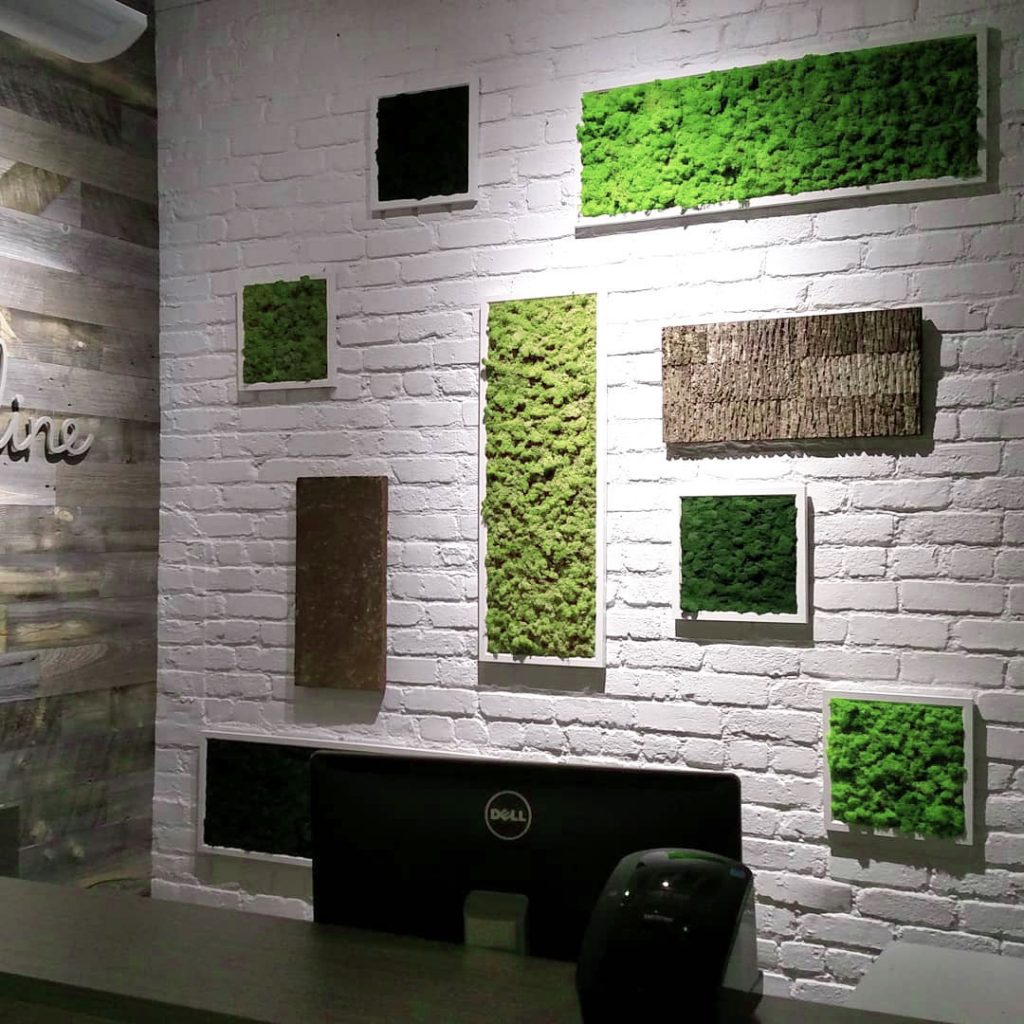
A moss wall is designed to bring a consistent, vibrant natural element into an interior space. Its rich green tones create a calming visual impact, making it a popular feature in offices, commercial settings, and modern interiors. When that color begins to fade or shift, it can feel unexpected and concerning.
Unlike traditional plants, a moss wall does not grow or require watering. It is preserved to maintain its appearance over time. However, this does not mean it is immune to environmental influences. Changes in color often signal that certain conditions around the installation have shifted.
Understanding why a moss wall loses color requires looking at how it interacts with light, air, humidity, and placement. These factors play a larger role than most people realize.
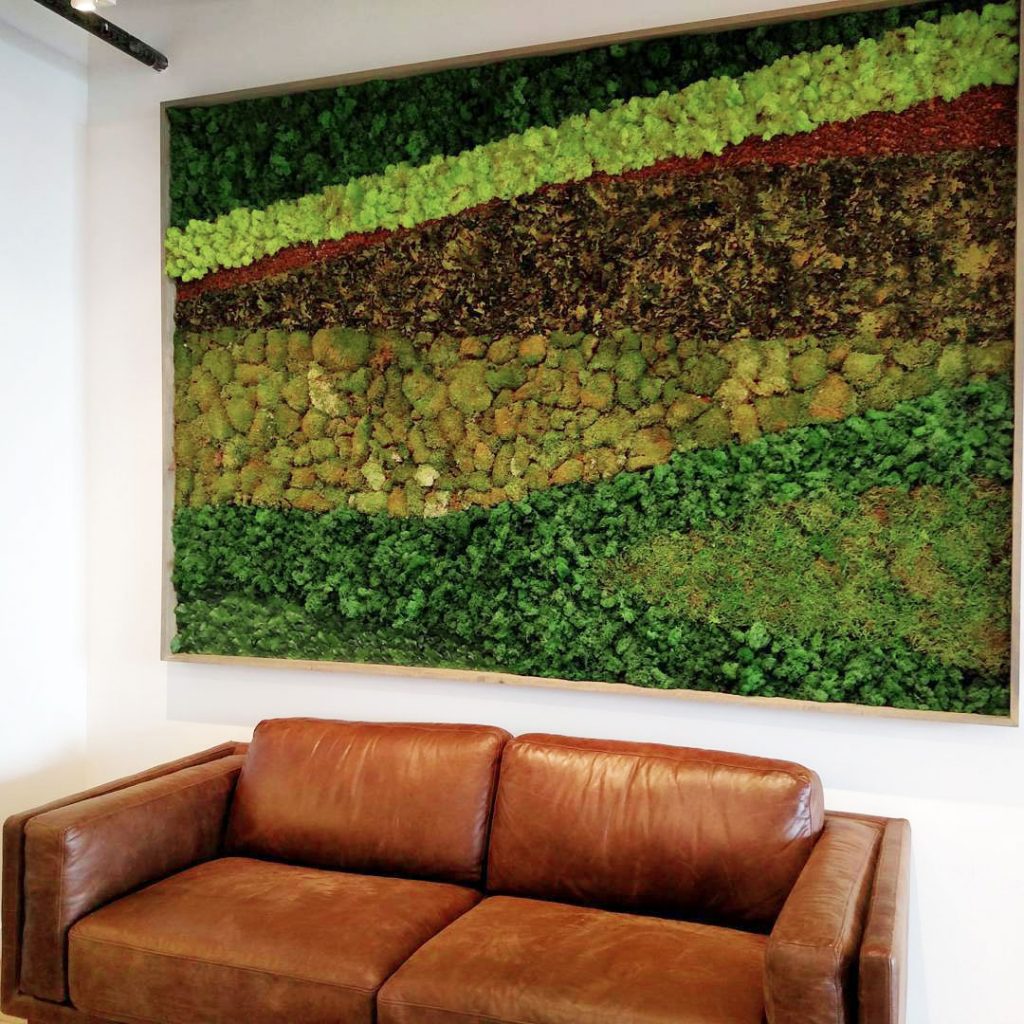
How Light Exposure Affects Moss Wall Color
Lighting is one of the most common reasons a moss wall begins to lose its color. While moss walls are designed for indoor environments, prolonged exposure to certain types of light can affect their appearance.
- Direct sunlight exposure. Constant sunlight can cause fading and discoloration over time.
- Strong artificial lighting. Intense overhead lighting can dry out preserved moss and alter its tone.
- Uneven light distribution. Sections of the wall may fade differently depending on exposure levels.
- Long-term exposure effects. Gradual changes may go unnoticed until the color shift becomes more pronounced.
Placement plays a key role in maintaining color consistency. Moss walls perform best in environments where lighting is controlled and indirect.
The Impact Of Humidity And Air Conditions
Even though a moss wall is preserved, it still responds to the surrounding air conditions. Humidity levels, airflow, and indoor climate all influence how the material retains its texture and color.
- Low humidity levels. Dry air can make moss brittle and cause fading.
- Excess airflow. Strong ventilation or air conditioning can accelerate moisture loss.
- Temperature fluctuations. An inconsistent indoor climate can affect how the moss holds its color.
- Proximity to vents. Placement near HVAC systems can lead to uneven drying.
Maintaining stable indoor conditions is essential for preserving the natural look of a moss wall.
Handling And Environmental Contact
Physical interaction and environmental contact can also contribute to changes in color. Moss walls are designed to be low-maintenance, but they are not meant for frequent handling.
- Direct contact. Touching the moss can transfer oils or cause slight damage to its surface.
- Dust accumulation. Over time, dust can dull the appearance of the moss.
- Nearby activities. High-traffic areas may expose the wall to more environmental stress.
- Accidental impact. Minor disturbances can affect the structure and texture of the moss.
These factors may seem minor, but over time, they can influence the overall appearance of the installation.
Differences Between Moss Walls And Living Walls
Understanding how a moss wall differs from a living wall helps explain why color changes occur. Unlike living walls, moss walls are preserved rather than actively growing, which means they respond differently to environmental conditions.
- No watering requirements. Moss walls do not rely on irrigation systems.
- Stable structure. They maintain their shape without ongoing growth.
- Environmental sensitivity. Color changes are influenced by surrounding conditions rather than plant health.
- Low maintenance expectations. While minimal care is needed, proper placement remains important.
For a deeper understanding of how these systems compare, this explanation of living wall differences highlights how upkeep and environmental response vary between installations.
This distinction helps clarify why moss walls require specific conditions to maintain their visual quality.
When Color Changes Indicate The Need For Professional Care
Color fading is not always a sign of permanent damage, but it does indicate that adjustments may be needed. Identifying the cause early allows for more effective restoration and long-term preservation.
Moss walls are often part of a larger interior design plan, which means maintaining their appearance is essential. Professional evaluation helps determine whether the issue is related to lighting, placement, or environmental conditions.
Understanding how moss walls are designed and installed provides additional context for addressing these issues. For example, exploring how a custom moss wall design is structured can offer insight into how placement and environment affect performance.
Professional care ensures that the wall continues to complement the space while maintaining its intended aesthetic.
Restore The Look Of Your Moss Wall With Expert Guidance
A moss wall is meant to remain visually consistent, but environmental factors can gradually affect its color. Recognizing these changes early helps preserve its appearance and prevent further fading.For a more reliable solution and expert support, contact Creative Plant Design Inc. to keep your moss wall looking its best.