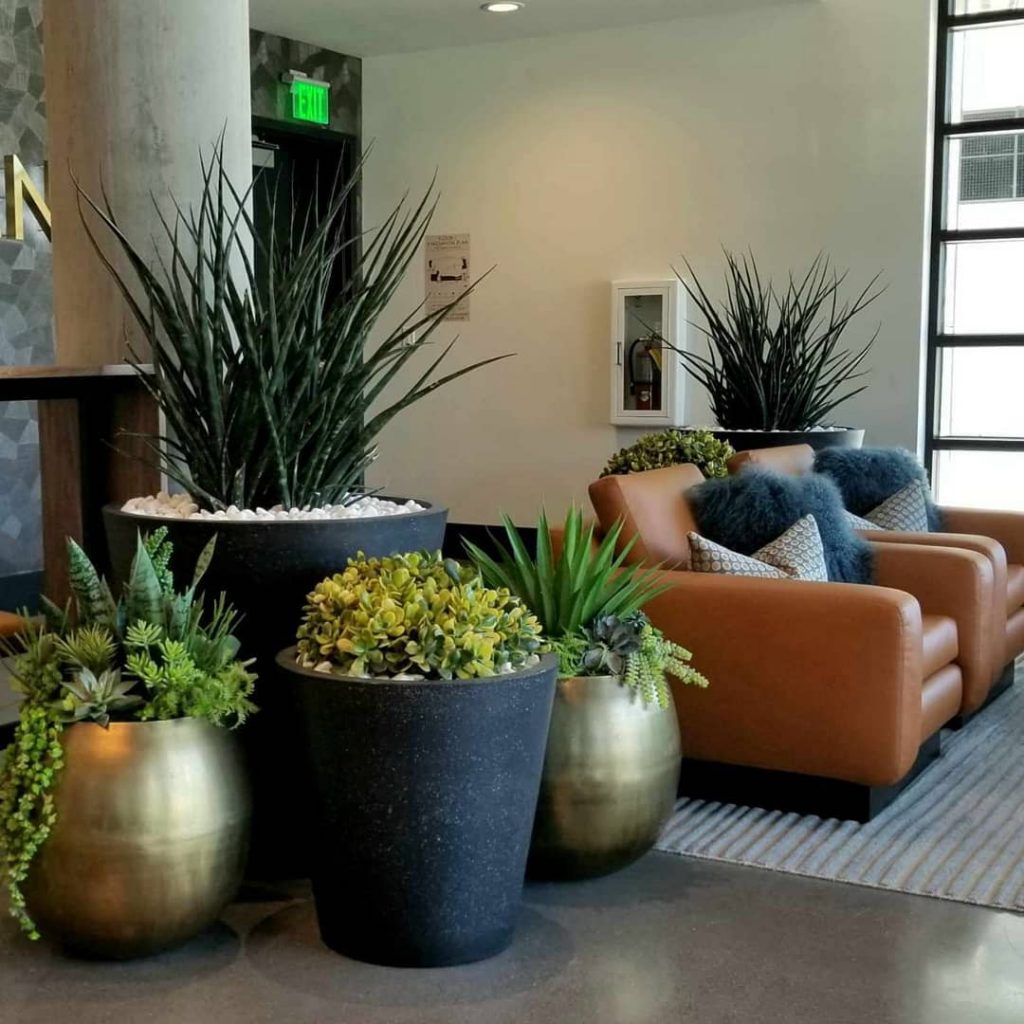
Indoor air quality depends mainly on ventilation, filtration, humidity control, source reduction, and building maintenance. Plants should not be treated as a substitute for those systems. Still, well-chosen office plants can contribute to a more comfortable indoor environment by adding living greenery, collecting some airborne dust on leaf surfaces, and supporting a space that feels fresher and more welcoming.
The best results come from matching plants to actual workplace conditions rather than choosing species based only on appearance. Light, airflow, maintenance access, and available space all affect performance. Professional plant design helps ensure greenery supports the room without creating another maintenance problem for employees.
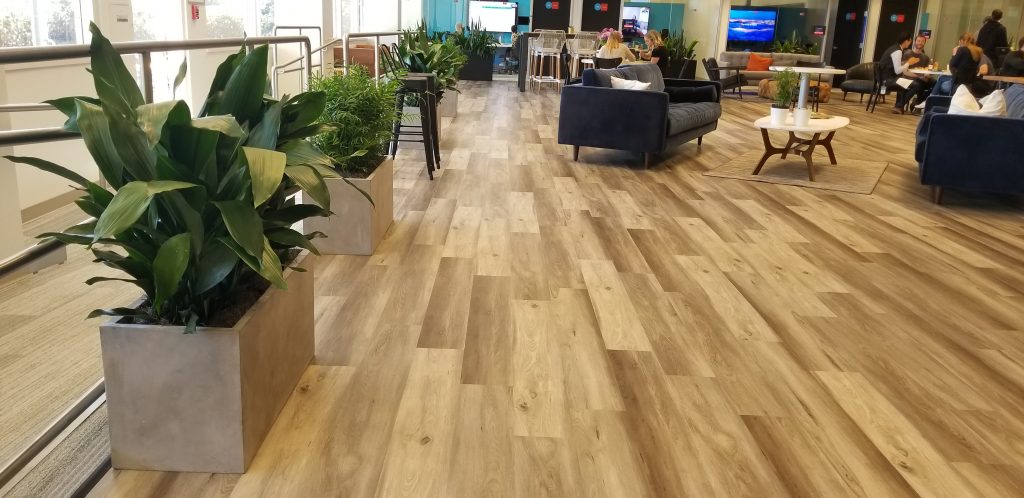
Choose Plants That Match Available Light
Light is one of the most important factors in plant selection. A plant that struggles in its location may develop yellow leaves, weak growth, or frequent replacement needs, which undermines both appearance and long-term value.
Consider:
- Natural light available throughout the workday
- Distance from windows and exterior glass
- Direction and intensity of sunlight
- Artificial lighting in interior areas
- Airflow from vents and nearby doors
- Seasonal changes in daylight exposure
For offices with limited natural light, choosing suitable low-light plants is more practical than forcing high-light species into unsuitable conditions. Professional designers can also determine when live plants, supplemental lighting, or replica plants make more sense for a particular area.
Think Beyond Air Quality Claims
Plants are often promoted as natural air purifiers, but indoor air quality is more complicated than placing a few pots around a room. In real commercial environments, ventilation and filtration systems do most of the work of removing airborne contaminants.
Office plants can still contribute in useful ways. Leaves may collect dust that would otherwise remain on surrounding surfaces, and living plants can add modest moisture through transpiration. Greenery can also soften hard interiors and improve visual comfort.
The goal should be to use plants as one part of a healthier-feeling workspace rather than expecting them to replace mechanical air systems. Professional plant care also matters because dusty, stressed, or declining foliage will not provide the same visual or environmental benefit as well-maintained greenery.
Select Species With Manageable Maintenance Needs
Plant performance depends on consistent care. Species that require extremely precise watering, humidity, or pruning may not be the best choice for busy commercial interiors unless the maintenance program is designed around those needs.
Useful selection factors include:
- Watering frequency appropriate for the location
- Leaf size that allows practical cleaning
- Growth habits suited to available space
- Tolerance for normal indoor temperature changes
- Resistance to common indoor plant stress
- Ease of pruning and long-term shaping
Professional service can include design, installation, watering, pruning, cleaning, monitoring, and replacement when plants decline. This makes it easier to maintain a consistent appearance without asking office staff to manage plant health.
Large-leaf plants can create strong impact, while smaller groupings may suit narrow corridors or shared work areas. The right choice depends on both plant biology and the way people use the space.
Place Greenery Where People Experience It Most
Plant placement affects both performance and how much the greenery contributes to the workplace experience. A healthy plant hidden in an unused corner provides less visual value than one positioned thoughtfully near entrances, shared spaces, meeting areas, or circulation routes.
Researching tenant experience also shows why greenery can play a larger role in multi-tenant buildings. Reception areas, lobbies, corridors, and shared amenities are places where plant design can make common spaces feel more intentional and welcoming.
Placement should still account for practical conditions. Plants should not block walkways, signage, sightlines, or maintenance access. They should also be kept away from strong HVAC drafts or intense reflected heat when those conditions could cause stress.
Living walls can be useful when floor space is limited because they add substantial greenery vertically. Moss walls and replica plants can also support the overall design in locations where live plants are not practical.
Keep Plants Healthy With Ongoing Professional Care
Plant selection is only the beginning. Long-term office plant performance depends on regular observation, correct watering, grooming, and adjustments when environmental conditions change.
A professional care program may include:
- Monitoring soil moisture and watering needs
- Cleaning dust from leaves and containers
- Pruning uneven or overgrown foliage
- Checking plants for stress or pest activity
- Replacing declining plants when necessary
- Adjusting placement as lighting conditions change
Consistent care protects both the plants and the design investment. It also helps prevent individual plants from becoming visibly stressed, dusty, or unbalanced within a polished commercial interior.
The strongest office plant programs combine environmental suitability with thoughtful design. Instead of choosing greenery based on generalized air-quality claims, professionals evaluate light, airflow, layout, maintenance, and the character of the workplace. That approach produces healthier plants and a more comfortable visual environment while keeping expectations about indoor air quality realistic.
Bring Healthier-Looking Greenery Into The Workplace
For professional office plants, design, installation, and ongoing maintenance tailored to your commercial space, contact Creative Plant Design, Inc for expert support from planning through long-term care.