Autumn changes the way an office feels, even when the thermostat stays steady. Sunlight reaches different corners, heating systems begin running more often, and workspaces may be rearranged for meetings or year-end projects. Indoor plants respond to those changes, sometimes before anyone notices a problem. Leaves may yellow, soil may remain wet, or a formerly balanced display may become uneven.
For businesses, these signs affect more than individual plants. Greenery contributes to the appearance of reception areas, corridors, and shared spaces, so neglected care can make an otherwise polished workplace look tired. Our approach is to examine the conditions surrounding each display and adjust maintenance rather than rely on a calendar that ignores seasonal changes.
Mistake One: Keeping Summer Watering and Lighting Routines
A common fall office plant care mistake is assuming a schedule that worked in August will still work in November. Shorter days can reduce growth and water use, while indoor heating or ventilation may dry some planters more quickly. Different rooms can respond in opposite ways, making uniform watering particularly unreliable.
Several changes deserve closer attention:
- Watering automatically: Adding the same amount every visit can leave slow-drying containers oversaturated.
- Ignoring window exposure: A plant may receive less usable daylight as the sun’s angle changes.
- Overlooking heating vents: Warm airflow can dry foliage or create uneven temperatures around a display.
- Missing drainage issues: Decorative containers may conceal standing water that stresses roots.
- Assuming yellow leaves mean thirst: Discoloration can have several causes, including excess moisture and insufficient light.
Our discussion of late summer plant care explains why seasonal transitions call for closer attention to light, airflow, and soil conditions. In fall, that assessment becomes especially important when teams return to regular office schedules, and rooms experience different patterns of use.
Professional plant technicians can assess individual containers, observe foliage, and match watering to the actual setting. A plant in a bright lobby should not automatically receive the same care as one in a shaded meeting room. Consistency means responding reliably to plant needs, not repeating identical tasks regardless of conditions.
Mistake Two: Treating Placement as a Permanent Decision
Office plant design is not finished the moment the planters arrive. Furniture moves, blinds stay closed, and seasonal daylight changes the amount of light reaching particular areas. A plant that once framed a reception desk beautifully might gradually lean toward a window or obstruct a newly used walkway.
Businesses sometimes overlook these placement problems:
- Crowded corners: Dense arrangements can make cleaning and maintenance access difficult.
- Low-light locations: Living plants may decline where the available light does not suit their species.
- High-traffic routes: Leaves and containers can be damaged by repeated contact.
- Drafty positions: Air-conditioning and heating outlets can expose foliage to stressful airflow.
- Uneven growth: One-sided development may undermine the original balance of a display.
The solution is not to move every plant at the first sign of change. Relocation can introduce additional stress if the replacement spot offers worse conditions. Our designers consider natural light, room function, circulation, and the appearance of the overall arrangement before recommending adjustments.
Some locations simply do not offer reliable conditions for living greenery. Replica plants can provide visual continuity in darker or less accessible spaces, while suitable live plants remain where ongoing care can support them. Selecting the right format avoids forcing every office corner into the same design solution.
Mistake Three: Waiting Until Displays Look Neglected
A healthy-looking plant program depends on more than watering. Dust accumulates on leaves, growth becomes uneven, and individual specimens may decline despite appropriate care. When businesses wait until reception-area greenery looks visibly tired, small maintenance needs can turn into a noticeable presentation problem.
A more dependable review considers:
- Foliage cleaning: Dust removal helps keep displays presentable and allows closer inspection.
- Selective pruning: Removing damaged growth helps maintain the intended shape and appearance.
- Fertilization decisions: Nutrients should match plant condition and seasonal growth rather than a fixed assumption.
- Container condition: Planters and surrounding surfaces should remain clean and suitable for continued care.
- Timely replacement: Plants that no longer meet the display standard may need replacing under the service program.
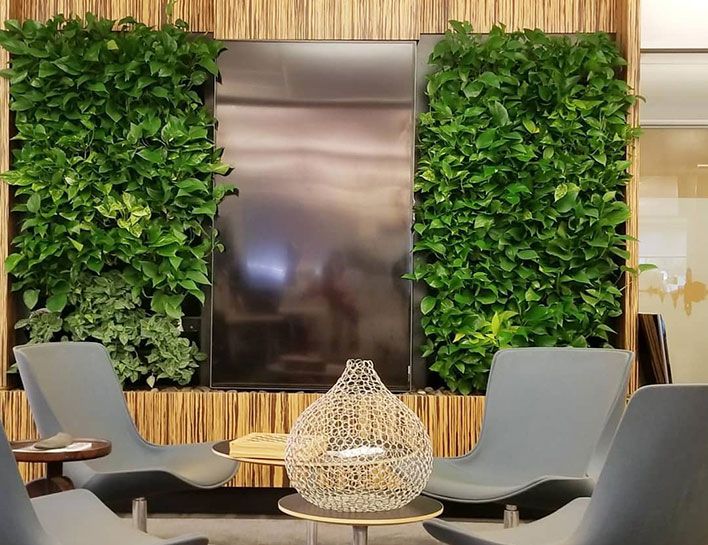
Vertical installations require similar attention. Our guide to living wall maintenance discusses irrigation, pruning, and seasonal changes that affect these features over time. Their needs differ from those of floor planters, but the principle is the same: early assessment supports better decisions.
Professional maintenance also protects the original design intent. Technicians can monitor each visit, report concerns, and recommend changes before declining plants distract from the space. For workplaces that depend on an inviting, consistent appearance, this offers a practical alternative to assigning unpredictable care duties to busy employees. That matters especially in client-facing areas, where one struggling display can undermine the impression created by thoughtful furnishings, lighting, and regular upkeep.
Give Your Greenery a Better Season Ahead
For office plants that stay attractive as conditions change, contact Creative Plant Design to discuss tailored plant design, installation, and ongoing maintenance for your workplace.