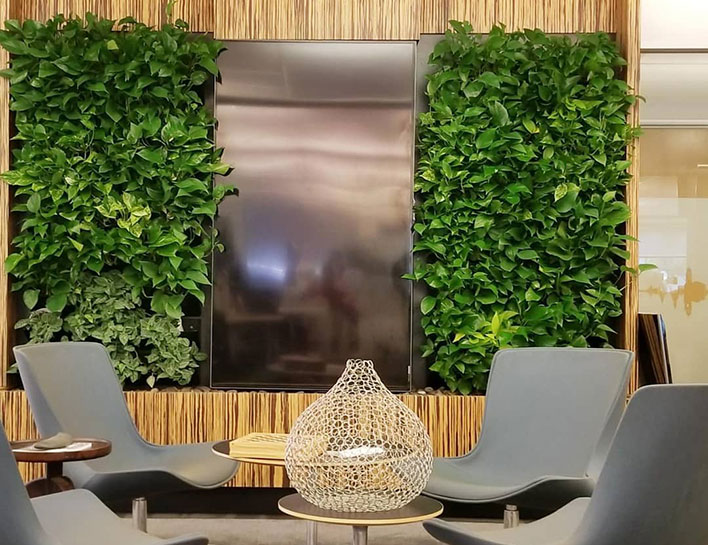
Late summer can be a tricky period for office plants. Long daylight hours, strong air-conditioning, changing sun angles, vacations, and inconsistent watering can all affect plant performance as workplaces shift toward fall schedules. A display that looked balanced in early summer may start showing dry leaf edges, uneven growth, fading color, or moisture problems by the end of the season.
Professional office plant care focuses on the whole environment rather than a single symptom. Light, airflow, soil moisture, container size, traffic, and maintenance access all influence how well plants perform. Reviewing these conditions before fall helps keep displays healthy, polished, and appropriate for the workspace before decline becomes obvious.
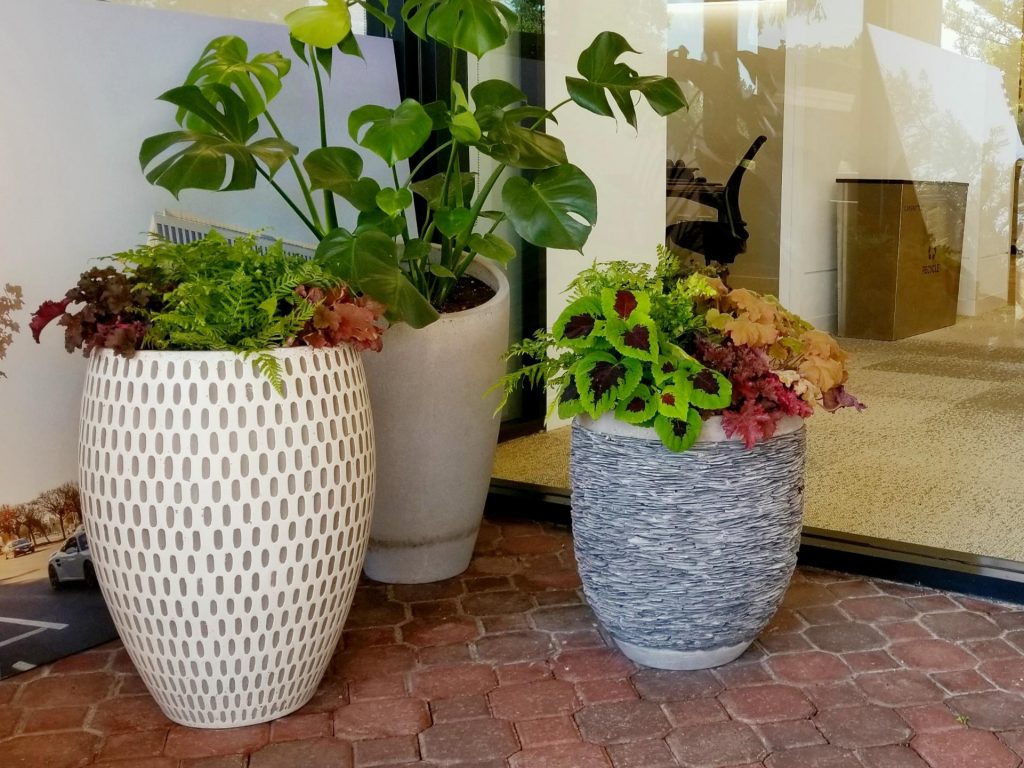
Recheck Light As The Season Begins To Shift
Late-summer sunlight can be intense, but the angle and duration of direct light begin changing as the season progresses. A plant that performed well near a window earlier in summer may suddenly receive stronger afternoon exposure or less usable light.
Important light-related checks include:
- Watching for scorched, bleached, or curling leaves near bright windows
- Noting plants that lean strongly toward one light source
- Checking whether blinds, furniture, or office changes now block daylight
- Reviewing darker corridors or meeting rooms where live plants struggle
- Moving sensitive plants only when the new location suits their long-term needs
- Considering replica greenery where dependable live-plant conditions are not available
Good placement is part of broader biophilic workplace design. Greenery works best when it fits real lighting, traffic flow, scale, and maintenance conditions instead of being placed only where an empty corner happens to exist.
Professional designers can determine whether a plant should stay, move, or be replaced with a species that matches the actual light level.
Adjust Watering To Match Real Plant Conditions
One of the most common late-summer problems is watering on habit instead of checking what the plant actually needs. Air-conditioning can dry some containers faster, while shaded or lower-light areas may hold moisture longer. Overwatering and underwatering can therefore appear in the same office simultaneously.
Professional maintenance may include:
- Checking soil moisture before adding water
- Adjusting watering frequency as daylight and temperature patterns change
- Watching for wilted foliage, yellowing leaves, or overly wet soil
- Making sure decorative containers are not holding hidden excess water
- Reviewing drainage and container condition for recurring moisture problems
- Monitoring recently installed or relocated plants more closely
Plant care should be based on species, container size, root condition, light, and airflow. A fixed weekly amount may not suit every plant.
Late summer is also a good time to review whether strong HVAC airflow is stressing certain displays. Constant cold air can dry leaf surfaces or create temperature swings that affect plants positioned directly beneath vents.
Clean, Prune, And Review Difficult Spaces Before Fall
Dust, declining foliage, and uneven growth can make an otherwise healthy plant display look tired. Late summer is a practical time to refresh office greenery so the workplace enters fall looking maintained rather than overgrown.
A professional service visit may include:
- Dusting leaves so foliage stays clean and presentation-ready
- Removing yellow, damaged, or declining leaves
- Pruning uneven growth that disrupts the intended shape
- Rotating or repositioning plants when growth becomes one-sided
- Checking planters, saucers, and surrounding surfaces for cleanliness
- Replacing plants that no longer meet the visual standard of the space
Some office areas remain difficult for living plants. Low-light rooms, high shelves, strong HVAC zones, or hard-to-access displays may create repeated maintenance problems. In those cases, replica plant options can extend greenery into challenging locations without forcing living plants into conditions where they are unlikely to perform well.
A mixed plant strategy can be especially effective in larger workplaces. Living plants can stay where light and maintenance access are reliable, while replica plants, moss walls, or other features can support visual consistency in darker or more operationally difficult areas.
Late-summer care should also account for workplace changes. Furniture may have been rearranged, teams may have moved, and conference rooms may be used differently than they were earlier in the year. These changes can affect light, traffic, and service access around plant displays.
Professional maintenance helps catch those shifts before they create long-term problems. Technicians can compare plant condition with earlier visits, adjust care, and recommend replacements when needed. That continuity is difficult to achieve when office plants are handled only when someone notices a visible problem.
The goal is not to keep every plant in the same position forever. A successful office plant program adapts as the building changes. Seasonal review, careful watering, cleaning, pruning, and plant selection all help maintain a consistent appearance while protecting plant health.
Office plants contribute most when they look intentional and well cared for. Late summer is an ideal time to correct small issues before shorter days and changing indoor conditions make them harder to reverse.
Keep Office Greenery Looking Fresh Into Fall
If your workplace needs professional plant design, installation, maintenance, living walls, moss walls, replica plants, or other office-plant support, contact Creative Plant Design, Inc. for expert care tailored to your space.