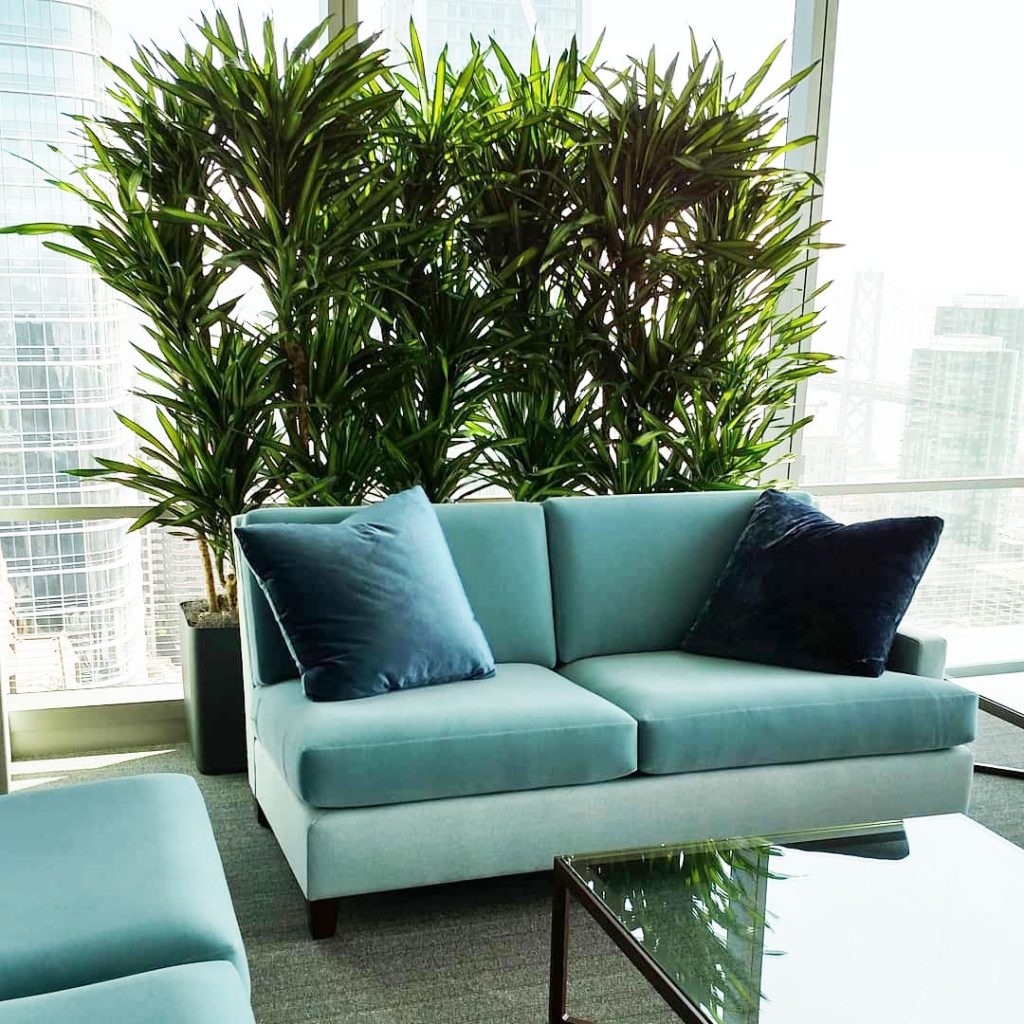
An office can feel comfortable while plants struggle beside a heating vent. During winter, indoor air becomes drier, daylight shifts, and heating systems run for longer periods. Leaves may develop brown edges, soil can dry unevenly, and a once-balanced display may start looking tired. These changes deserve more than an automatic increase in watering.
Professional office plant care begins with the actual conditions surrounding each arrangement. Our team evaluates airflow, light, container moisture, and species suitability before adjusting maintenance. The goal is to keep greenery looking intentional throughout winter without asking office staff to guess what every yellow leaf means.
Understand How Heated Air Changes Plant Conditions
A building’s thermostat reports the room temperature, not necessarily what a plant experiences. An arrangement positioned beneath a supply vent may receive steady warm airflow, while another near an entryway encounters cold drafts. Two plants in the same office can therefore have very different needs.
Winter inspections look for several common stressors:
- Direct airflow: Heating vents can accelerate moisture loss from leaves and potting material.
- Dry leaf edges: Browning tips may reflect low humidity, inconsistent watering, or other stressors requiring evaluation.
- Temperature fluctuations: Entry doors and poorly insulated windows can expose sensitive species to sudden changes.
- Reduced daylight: Shorter days may slow growth and alter how quickly a plant uses water.
- Uneven exposure: Plants behind blinds or newly positioned furniture may receive less useful light than before.
Not all tropical plants react identically to winter conditions. Leaf thickness, root health, growing medium, and container size influence how each specimen responds. Even a familiar plant can behave differently after an office renovation changes the direction of air movement.
Our discussion of late summer plant care explains why seasonal transitions should prompt a reassessment of light and airflow. Winter brings a different combination of pressures, but the principle stays the same: decisions should reflect the environment rather than the date on the calendar.
Adjust Watering Without Creating New Problems
When leaves appear dry, it is tempting to add more water. That response can be counterproductive. Warm airflow may dry the surface of a container while deeper growing material remains moist. Reduced winter light can also slow water uptake, allowing another planter to stay wet much longer than expected.
A professional visit may include:
- Moisture assessment: Checking below the surface helps determine whether the root zone needs water.
- Drainage review: Decorative containers should not conceal standing water around inner pots.
- Species evaluation: Different plants have distinct moisture preferences and tolerance for drier indoor air.
- Foliage inspection: Yellowing, drooping, and leaf loss are evaluated alongside roots, light, and airflow.
- Watering adjustment: The schedule changes according to observed conditions rather than a fixed weekly amount.
Increasing humidity may be useful for some species, but building managers should avoid moisture changes that interfere with workplace comfort or create condensation. Where heating produces persistent stress, repositioning an arrangement or selecting a more tolerant plant can be more practical than adding equipment.
Our team also checks whether soil has become compacted, a plant has outgrown its container, or a declining leaf belongs to ordinary aging. These distinctions matter because an identical symptom can have different causes. Effective maintenance is based on diagnosis, not simply a larger watering can.
Keep Winter Displays Attractive With Consistent Maintenance
Office greenery serves a visual purpose as well as a living one. Dusty leaves, leaning stems, and empty-looking arrangements can undermine an otherwise polished reception area. Winter care therefore includes grooming and display review, not just assessing moisture.
Our maintenance program may cover:
- Leaf cleaning: Removing dust keeps foliage presentable and makes developing problems easier to notice.
- Selective pruning: Damaged growth can be removed without sacrificing the intended shape.
- Placement review: Arrangements may need adjustment when heating patterns or furniture layouts change.
- Pest observations: Indoor plant insects can persist in heated workplaces and should be identified before treatment.
- Replacement decisions: Specimens that no longer meet display standards can be assessed under the service agreement.
Our article on year-round living wall care shows how seasonal changes affect integrated plant systems too. Individual planters and vertical gardens require different servicing, but both benefit from regular condition checks and species-appropriate care.
A winter review can also reveal locations that simply do not support healthy living plants. A dim corridor or a spot directly beneath a strong vent may work better with replica greenery or another design feature. Choosing an alternative is not a failure of plant care; it protects the appearance and purpose of the overall workplace design.
Our approach combines watering, cleaning, pruning, and careful replacement planning with an understanding of how the office operates. That consistency helps displays remain welcoming through the heating season and provides a stronger foundation when daylight and growth conditions change again in spring.
Keep Your Office Green Through Winter
If heating and seasonal changes are affecting your workplace greenery, contact Creative Plant Design, Inc. to discuss professional plant design and maintenance. Our team can assess existing arrangements and recommend care tailored to your building.