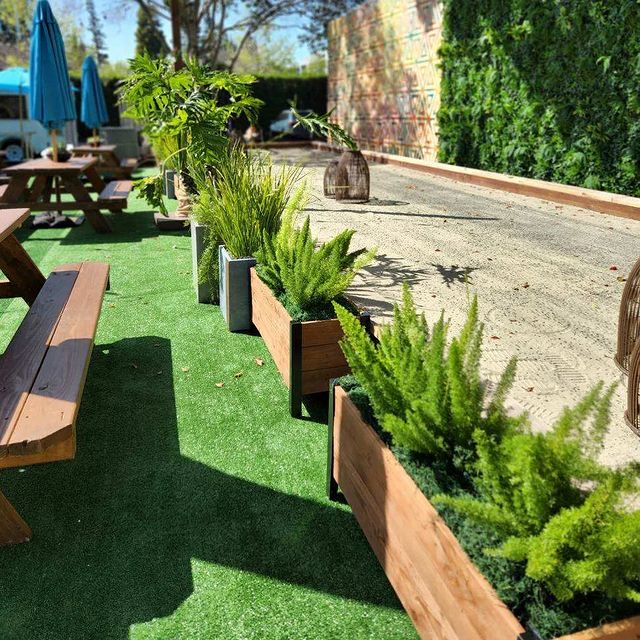
Spring is the right time to bring a commercial patio back into focus after cooler months, changing weather, and reduced outdoor use. Planters may look tired, irrigation may need adjustment, and plant placement may no longer fit the way people use the space. A professional review helps identify what should be refreshed before meetings, breaks, and outdoor gatherings increase.
Effective patio landscaping is not only about adding more greenery. It considers light, wind, drainage, container condition, traffic flow, privacy, and the overall relationship between the patio and the building. With thoughtful design, installation, and maintenance, an outdoor area can feel polished, comfortable, and ready for regular spring use throughout the season.
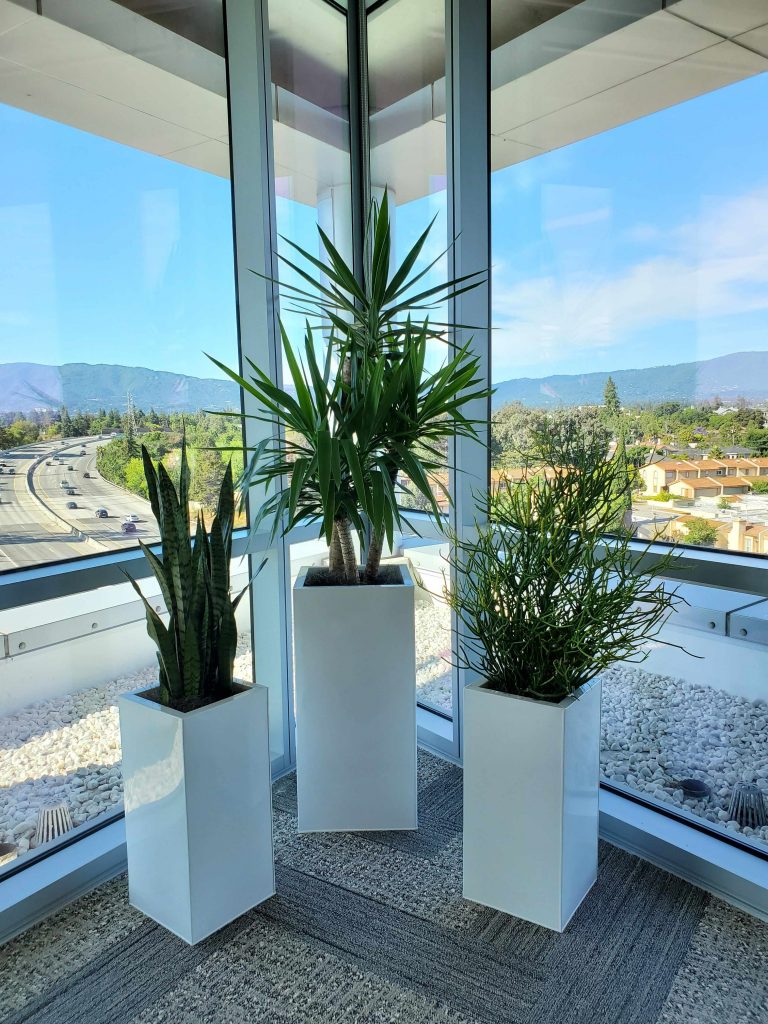
Start With A Full Patio Condition Review
Before new plants are introduced, the existing patio should be evaluated as a complete environment. Winter exposure, wind, irrigation changes, and normal wear can affect containers and plant health in ways that are not immediately obvious.
A professional spring review may include:
- Checking containers for cracks, fading, or instability
- Inspecting drainage and irrigation performance
- Reviewing plant health and seasonal dieback
- Evaluating sunlight and shade patterns
- Checking whether greenery still supports privacy
- Noting planters that interfere with paths or seating
This first step helps separate isolated plant problems from larger design issues. If several planters have declined for the same reason, replacing them without addressing exposure or drainage may only repeat the problem.
Choose Plants That Match The New Season And Site
Spring conditions can create a good opportunity to refresh plant selection, but every patio has its own microclimate. A ground-level courtyard may receive filtered light and reflected heat, while an upper-floor terrace may face stronger wind and faster moisture loss.
Plant selection should reflect actual site conditions, not appearance alone. Designers consider sun exposure, container size, watering needs, maintenance access, and the visual balance of the overall layout.
Some difficult spaces may not support living plants consistently. In those situations, professionally selected replica plant options can maintain greenery in low-light, hard-to-access, or highly demanding locations while living plants are used where conditions support them more naturally.
Refresh Planters, Layout, And Functional Zones
Spring preparation is also a chance to reconsider how people move through the patio. Plants should enhance the space without making circulation awkward or crowding furniture.
Useful design updates can include:
- Rebalancing plant height around seating areas
- Repositioning containers to improve sightlines
- Adding greenery where more privacy is needed
- Replacing undersized or worn planters
- Creating clearer transitions between functional zones
- Using water-friendly plants where appropriate
Professional patio landscaping can help the space feel intentional rather than simply decorated. Strategic planters may separate seating from walkways, soften hard surfaces, or create a more comfortable boundary around meeting and break areas.
The best arrangement supports daily use while leaving enough room for maintenance access, movement, and seasonal adjustments.
Correct Recurring Problems Before Spring Activity Increases
A patio that looks uneven after winter may be showing symptoms of a deeper issue. Repeated plant decline, poor drainage, unstable containers, and mismatched light conditions can gradually weaken the entire presentation.
A review of patio warning signs explains why changes in light, irrigation, scale, maintenance, and traffic patterns should be evaluated together. Spring is an ideal time to correct those concerns before warmer weather increases plant growth and patio use.
Professional designers and maintenance technicians can determine whether the solution involves replacing plants, adjusting irrigation, changing containers, or redesigning part of the layout. Addressing the underlying cause creates a stronger long-term result than making a series of one-time cosmetic fixes.
Build A Maintenance Plan For The Growing Season
A successful spring refresh needs ongoing care to keep the patio looking balanced as plants grow and weather changes.
A professional maintenance plan may include:
- Monitoring soil moisture before watering
- Pruning overgrown or damaged plant material
- Cleaning containers and surrounding surfaces
- Adjusting care as sun and temperatures change
- Replacing plants that no longer meet the design standard
- Rechecking drainage, irrigation, and traffic-related wear
Year-round maintenance is especially valuable for courtyards, roof gardens, ground-level patios, and upper-floor terraces because each setting responds differently to wind, sun, temperature, and access.
Spring preparation works best when design and maintenance are planned together. The right plants, containers, and layout create the initial visual impact, while consistent care protects that design as the season progresses. Professional patio landscaping makes it easier to manage these details as one coordinated program rather than relying on separate fixes whenever something begins to look tired.
A well-prepared patio can provide privacy, separation, green views, and a more inviting setting for employees, tenants, clients, and visitors. By reviewing conditions early and planning for the full growing season, property teams can enter spring with an outdoor space that feels deliberate, functional, and professionally maintained.
Give Your Patio A Fresh Start For Spring
For professional patio landscaping, custom planters, outdoor plant design, installation, and year-round maintenance, contact Creative Plant Design, Inc to prepare your commercial outdoor space for spring.