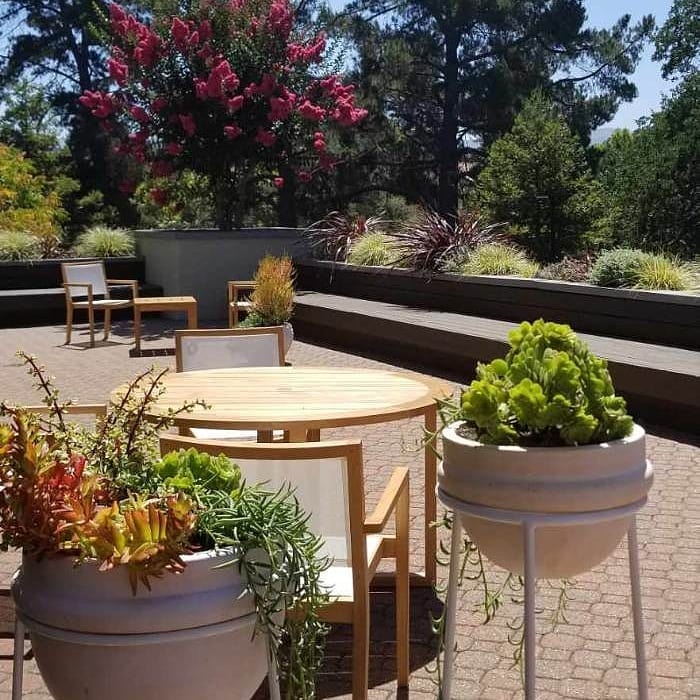
Patio landscaping can transform a commercial outdoor area into a welcoming place for meetings, breaks, and gatherings. Well-planned greenery can create privacy, soften hard surfaces, and help a courtyard, roof garden, or terrace feel connected to the rest of the property. However, outdoor displays face stronger environmental pressure than most interior plants.
Sun exposure, wind, irrigation, container drainage, seasonal temperature changes, and foot traffic can gradually weaken even a thoughtful design. The decline is not always dramatic. The space may instead look uneven, tired, or disconnected from the building. Recognizing the early signs allows professional designers and maintenance technicians to restore the patio before isolated problems affect the entire presentation.
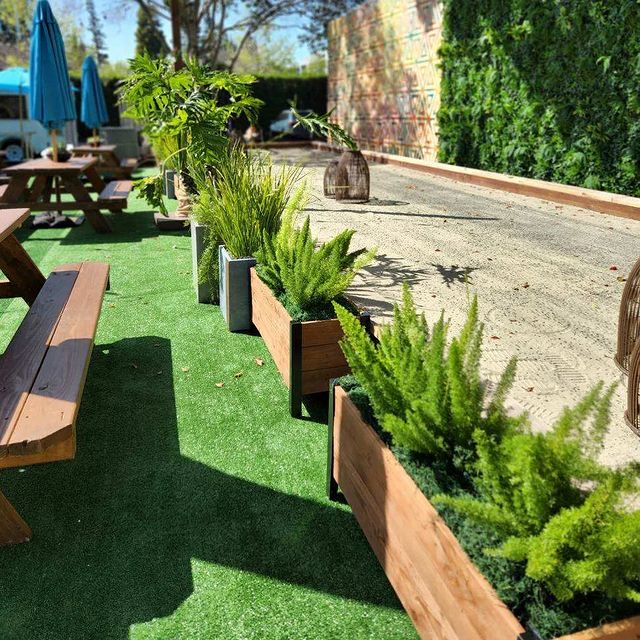
The Space No Longer Feels Visually Balanced
One of the clearest signs is a patio that no longer looks intentional. Plants may have grown at different rates, leaving one side crowded while another appears empty. Containers that once matched the architecture may look too small, faded, or out of scale after furniture, signage, or traffic patterns change.
Visual imbalance may include:
- Overgrown plants blocking seating, walkways, or important sightlines
- Empty areas created by declining or removed specimens
- Containers that no longer coordinate with surrounding finishes
- Uneven color, height, texture, or seasonal interest
- Plant groupings that feel cluttered instead of cohesive
Professional patio landscaping looks at the composition rather than one struggling planter. Designers can rebalance scale, spacing, plant variety, and container placement so the area supports both appearance and daily use.
Light Conditions No Longer Match The Plants
Outdoor light is not fixed. Nearby construction, growing trees, new shade structures, furniture changes, and seasonal sun angles can alter how much direct or filtered light reaches each display. A plant that performed well during installation may begin stretching, fading, scorching, or losing leaves when exposure changes.
The principles behind low-light plant selection also apply to shaded patios, covered terraces, and roof areas surrounded by taller buildings. Plant choice should reflect actual light throughout the day.
A professional assessment considers reflected heat, wind, shade duration, and maintenance access alongside sunlight. When conditions no longer fit the original plants, strategic relocation or replacement can protect the design without forcing unsuitable varieties to remain.
Containers And Irrigation Show Repeated Problems
Healthy patio displays depend on reliable containers, drainage, soil, and watering. Cracked pots, blocked drainage holes, compacted soil, uneven moisture, and irrigation overspray can affect roots long before the foliage clearly declines. Repeated watering problems may also stain hardscape or create slippery areas near foot traffic.
Warning signs include:
- Water pooling on the soil or draining too slowly
- Soil pulling away from container edges after repeated drying
- Cracks, fading, movement, or instability in large planters
- One section remaining wet while another dries quickly
- Runoff appearing on nearby walking surfaces
Professional technicians evaluate the root zone, container scale, drainage, and exposure together. They can determine whether the issue requires watering adjustments, soil work, plant replacement, or a better-suited planter. This prevents one-time corrections from becoming a cycle of recurring decline.
Routine Care Is No Longer Preserving The Design
Patio displays need more than occasional watering. Pruning, grooming, fertilization, plant-health checks, seasonal adjustments, cleaning, and replacement all help preserve its intended look. When maintenance becomes inconsistent, small issues can accumulate until the space appears neglected.
A guide to professional plant maintenance explains why technicians assess light, airflow, soil, drainage, traffic, and plant condition during visits. Outdoor care requires the same structured attention, with added consideration for weather and exposure.
A complete maintenance visit may involve:
- Checking soil moisture before watering
- Removing yellow, damaged, or crowded growth
- Cleaning containers and surrounding surfaces
- Monitoring for plant pests or disease symptoms
- Replacing plants that no longer meet the visual standard
Consistent professional oversight protects the investment without adding another responsibility for property staff.
The Patio No Longer Supports How People Use It
A patio should function as well as it looks. Plants may begin interfering with seating, entrances, accessibility, service routes, or views. Conversely, a once-private area may feel exposed after plant loss or uneven growth. These changes often develop gradually as vegetation matures and business needs shift.
A professional review may consider:
- Whether planters still guide movement without narrowing paths
- Whether greenery provides suitable privacy or separation
- Whether branches interfere with tables, doors, railings, or signs
- Whether the layout supports meetings, breaks, or client use
- Whether seasonal updates would improve comfort and presentation
Designers can adapt the arrangement through custom planters, water-friendly plants, and seasonal refreshes. Roof gardens, courtyards, ground-level patios, and upper-floor terraces each require different solutions because wind, access, weight, sunlight, and maintenance conditions vary.
Professional attention becomes especially valuable when several signs appear together. A declining plant may be replaceable, but repeated problems involving light, drainage, scale, and traffic usually point to a design or maintenance issue affecting the full space. Addressing these factors together creates a more dependable long-term result.
Bring The Patio Back Into Balance
Contact Creative Plant Design, Inc for professional patio landscaping, custom planters, outdoor plant design, installation, and year-round maintenance.