
How to Choose the Right Spring Plants for My Office

Spring can change how an office feels without moving a single desk. Brighter days make spaces look sharper, and that extra daylight tends to highlight what feels stale. Bringing in spring plants is one of the most practical ways to refresh a workplace because it improves the look of the space while supporting comfort and consistency across the workday.

The key is making selections that actually succeed in an office setting. Commercial interiors have unique constraints, including mixed lighting, HVAC airflow, and busy traffic patterns. When spring plants are chosen with those realities in mind, the result looks intentional and stays attractive. When choices are made without a plan, plants decline quickly, and the “refresh” becomes a constant cycle of replacement. The guidelines below reflect how professional interiorscape teams evaluate a workspace and build a plant plan designed to last.
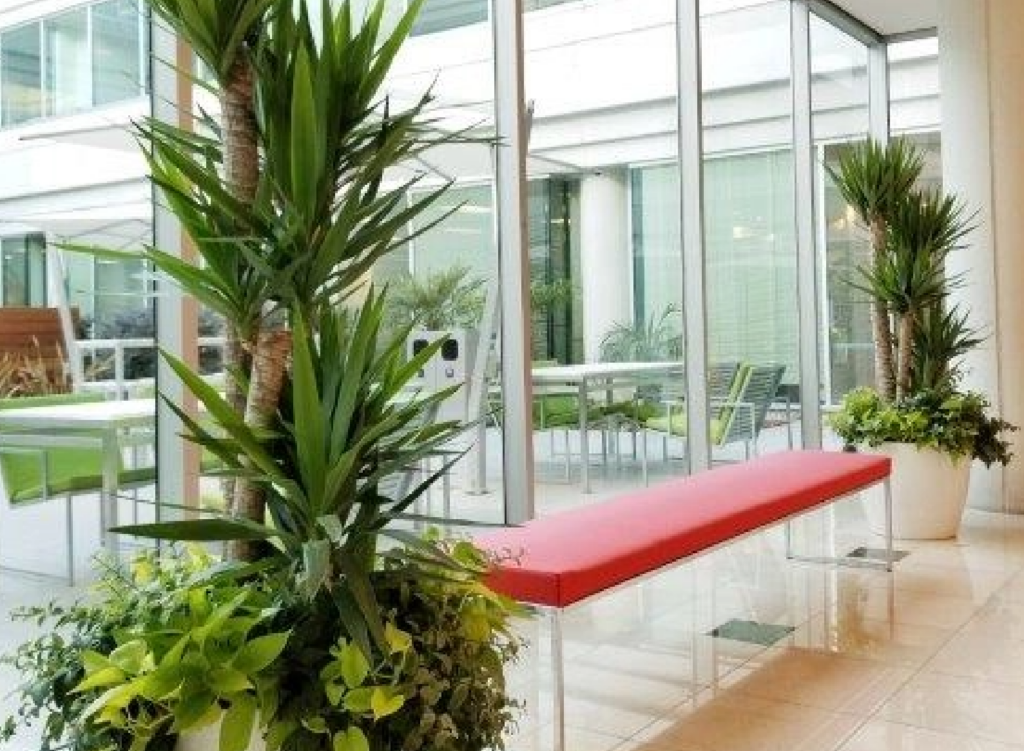
Office Plants

Start with the office conditions that will control plant success

Before picking varieties, start with the environment. In professional settings, plant performance is driven less by the season and more by what the building can support. A strong plant plan begins with a real-world review of how the space behaves, not how it looks at noon on a sunny day.

Focus on these decision points:

  • Light map, not light guess
    Identify bright zones, medium-light areas, and corners that stay dim all day. Note window direction, tinting, overhangs, and whether blinds stay closed during work hours.
  • Distance from windows matters
    A plant that thrives at the glass may struggle just a few meters back. Interiors often have a fast drop-off in usable light.
  • HVAC patterns and drafts
    Vents, entry doors, and temperature swings can dry foliage and stress roots. Spring plants that prefer stable conditions should be placed away from direct airflow.
  • Humidity and indoor dryness
    Many offices run dry, especially with constant cooling. Species selection should match those realities.
  • Traffic flow and safety
    Plant placement must avoid walkways, emergency exits, and high-traffic corners where containers get bumped.

A professional site assessment is valuable because it turns “this area seems bright” into measurable placement decisions. That reduces trial and error and keeps spring plants looking good longer.

Choose spring plants by role: impact plants, support plants, and finishing touches

In offices, spring plants should be selected like a design system, not a collection of individual pots. The goal is to build a layered look that fits the space and stays presentable with consistent care.

A practical way to plan is to assign roles:

  • Impact plants
    Larger floor plants that create immediate visual presence in lobbies, reception areas, and open collaboration zones.
  • Support plants
    Medium-sized plants that fill sightlines, soften corners, and add rhythm along corridors without overwhelming the space.
  • Finishing touches
    Smaller tabletop plants or accent groupings used sparingly to add seasonal freshness where people pause and gather.

Within each role, prioritize varieties that match the building’s light level and maintenance cadence. A beautiful spring plant that needs frequent hands-on attention is rarely the best choice for a workplace. For offices that want a curated approach with dependable results, it helps to review proven options designed for commercial interiors through theseindoor plant solutions. That kind of selection framework keeps the design cohesive and reduces the risk of choosing plants that are visually appealing but impractical indoors.

Match spring plants to office design, branding, and layout

Even healthy plants can look “off” if the design does not match the space. In professional interiors, scale, container style, and placement are what make spring plants feel intentional rather than temporary.

Use these layout principles:

  • Reception is the first impression zone
    Choose a statement placement that feels confident and clean, with containers that align with finishes already in the lobby.
  • Open offices need structure without clutter
    Use taller plants to define zones and soften long lines, but keep clearance around walkways and shared equipment areas.
  • Conference rooms benefit from restraint
    One or two well-placed plants often outperform multiple small pots that compete with screens, cables, and tabletop space.
  • Break areas can handle more personality
    Spring plants with brighter foliage or softer forms tend to work well where people reset and recharge.
  • Container selection matters as much as the plant
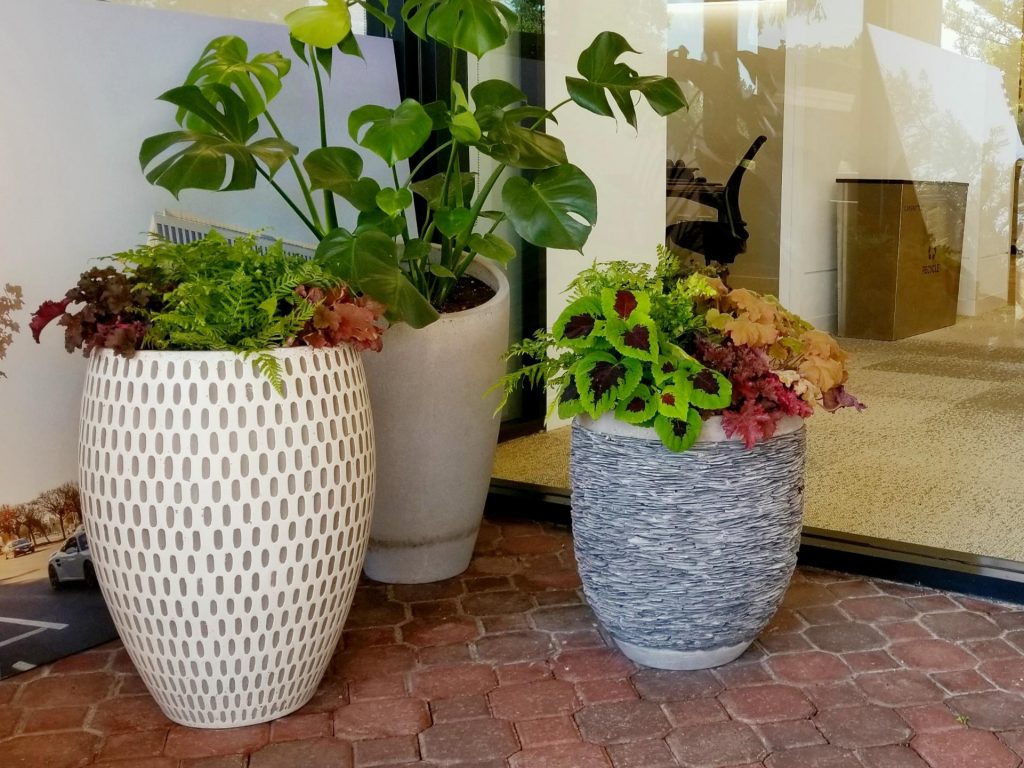
    Commercial-grade planters should fit brand tone, be stable, and be easy to service discreetly.

Professional design teams also consider how plantings will photograph, how they will look from the entrance sightline, and how they will read from seated eye level. That is the difference between “plants in the office” and a space that feels finished.

Plan for maintenance from day one so the space stays polished

Spring plants look their best when care is consistent and proactive. Offices are not ideal environments for casual plant care because schedules fluctuate, responsibility gets passed around, and it is easy to overwater or forget key details. A structured maintenance plan prevents decline and protects the visual standard of the workplace.

A dependable plan usually includes:

  • Watering aligned to the building, not a generic calendar
    Light levels, pot size, and HVAC conditions change how quickly soil dries. A one-size schedule tends to cause overwatering in dim zones and underwatering in bright zones.
  • Grooming and pruning for a clean look
    Removing damaged leaves, shaping growth, and keeping containers tidy is what maintains a professional appearance.
  • Nutrient management and seasonal adjustments
    Spring growth can increase nutrient needs, but dosing must match plant type and interior conditions.
  • Pest monitoring and early intervention
    Indoor pests spread quietly. Regular checks prevent small issues from becoming disruptions.
  • Replacement planning when appearance drops
    In commercial spaces, aesthetics are part of performance. A plan should address what happens when a plant no longer looks attractive.

This is where professional support becomes a practical efficiency choice. Instead of asking office staff to manage live plants between meetings and deadlines, a dedicated service plan keeps the environment consistent and prevents that slow slide from “fresh spring look” to “sad corner plant.” To know more about the standards and expertise behind commercial plant care, explore our team’s background and experience.

Create a Thoughtful Spring Refresh

If the goal is a spring refresh that looks intentional, stays healthy, and fits the way an office actually functions, professional planning makes the difference. Contact Creative Plant Design Inc. to discuss a spring plant program tailored to your workspace.
How Indoor Plants Improve Office Well-Being and Productivity

Modern offices are evolving. Fluorescent lighting and gray partitions are slowly giving way to thoughtful layouts that prioritize comfort, mental clarity, and environmental quality. At the center of this transformation is a simple but powerful addition: indoor plants. When selected, installed, and maintained correctly, greenery becomes more than decoration. It becomes a strategic tool for workplace well-being.

From stress reduction to improved concentration, indoor plants influence how people feel and function throughout the workday. Drawing on decades of horticultural expertise and interior plant design practices, professionals understand that plants in commercial spaces must balance aesthetics, health, and long-term care to truly deliver measurable benefits.

The Psychological Benefits of Indoor Plants in Workspaces

Indoor plants play a significant role in supporting mental wellness. Research in environmental psychology consistently shows that exposure to natural elements can lower stress levels and promote emotional balance.

In office environments, this translates into tangible advantages:

  • Reduced stress and anxiety levels during high-pressure tasks
  • Enhanced mood stability throughout long workdays
  • Increased feelings of calm and mental clarity
  • Improved overall job satisfaction

Employees working in plant-enhanced spaces often report feeling more comfortable and focused. The presence of greenery creates a subtle connection to nature, which counteracts the mental fatigue associated with screen-heavy environments.

However, not every plant thrives indoors. Lighting conditions, humidity levels, and airflow all influence plant health. When indoor plants struggle, the visual effect diminishes and the psychological benefits decline. Expert horticultural planning ensures that each plant is matched to its environment, sustaining both appearance and impact.

Improved Air Quality and Environmental Balance

Office air quality directly affects concentration and physical comfort. Enclosed environments may accumulate airborne irritants that contribute to headaches, fatigue, and reduced cognitive performance. Strategically placed indoor plants can assist in supporting healthier air conditions.

Plants naturally:

  • Absorb certain airborne toxins
  • Regulate humidity levels
  • Increase oxygen exchange
  • Reduce dust accumulation on surfaces

Beyond air purification, indoor plants can also help moderate temperature perception by softening harsh architectural lines and improving spatial balance. When plants are thoughtfully integrated into design layouts, they contribute to a more breathable and inviting atmosphere.

Yet maintaining plant health in climate-controlled office buildings requires specialized knowledge. Commercial spaces can present unique challenges such as inconsistent light exposure, HVAC fluctuations, and pest vulnerabilities. Professional plant management ensures that greenery remains vibrant and beneficial rather than becoming a maintenance concern.

Boosting Productivity Through Biophilic Design

Biophilic design integrates natural elements into built environments to support human performance. Indoor plants are central to this approach. When greenery is intentionally incorporated into office layouts, measurable productivity improvements often follow.

Employees surrounded by natural elements demonstrate:

  • Higher levels of concentration
  • Improved memory retention
  • Greater creativity during collaborative work
  • Faster task completion rates

Visual breaks provided by indoor plants help reduce eye strain caused by prolonged screen use. Even brief moments of visual engagement with greenery can restore attention and mental stamina.

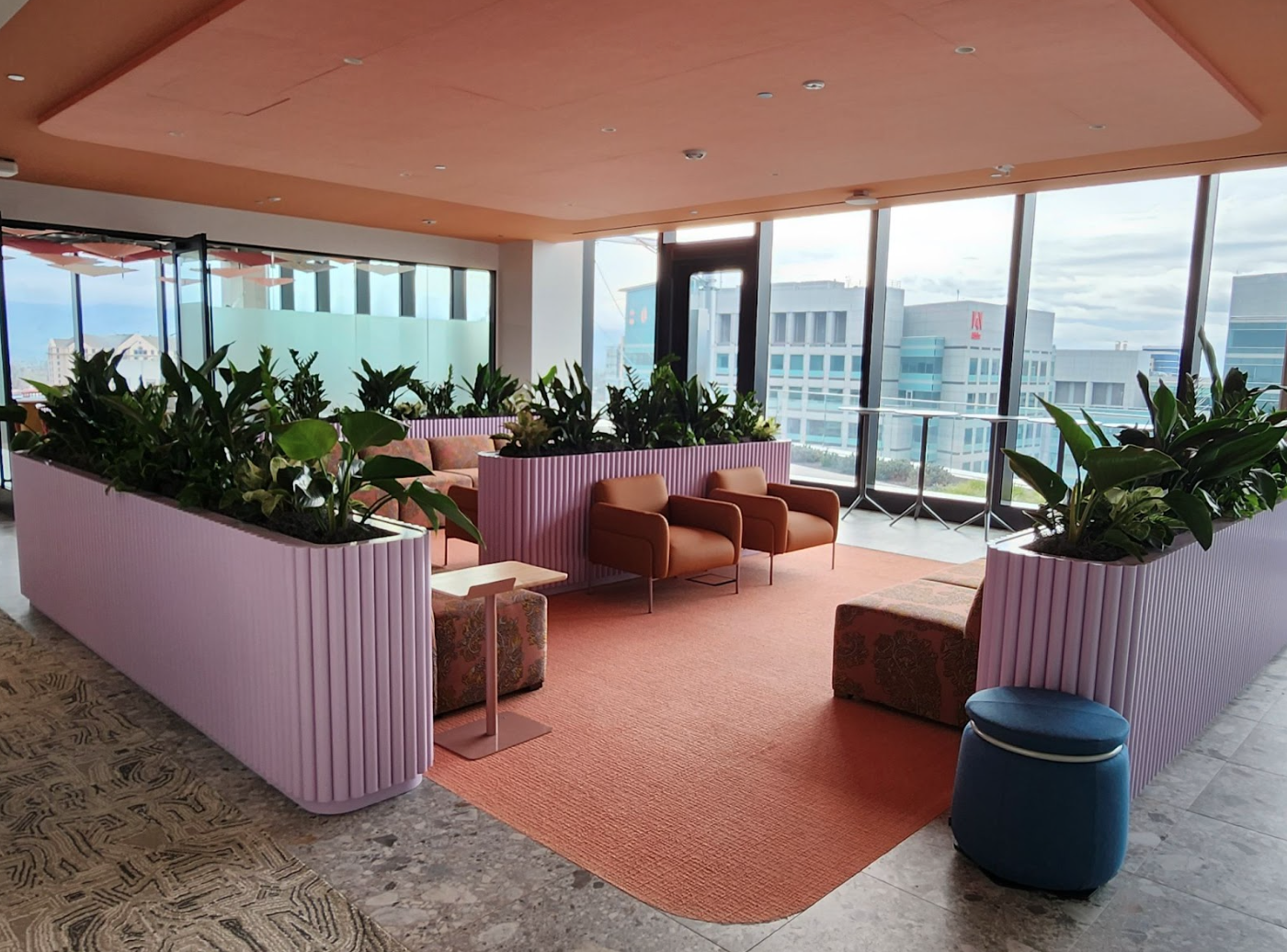
In open office plans, plant installations can also define zones, create privacy buffers, and reduce noise reverberation. Living walls and structured plant groupings function as both design features and functional tools that improve workflow.

Achieving these outcomes requires more than simply placing potted plants near desks. Scale, species selection, container design, and spatial planning all influence results. Professional design teams evaluate traffic patterns, lighting sources, and architectural flow to ensure plants enhance productivity rather than obstruct it.

Managing Plant Health and Workplace Hygiene

Healthy indoor plants contribute to a professional atmosphere. Unhealthy plants can have the opposite effect. In commercial environments, plant care must address not only aesthetics but also hygiene and pest management.

Common plant-related pest concerns in interior settings include:

  • Aphids
  • Mealybugs
  • Spider mites
  • Fungus gnats
  • Scale insects

These pests can spread quickly if not identified early. While indoor plants are generally low risk when properly maintained, neglect can allow infestations to develop. This may affect both plant vitality and workplace comfort.

Routine monitoring, integrated pest management practices, and preventative horticultural strategies are essential in commercial environments. Professional plant care specialists understand how to identify early warning signs and implement discreet solutions that protect both plants and occupants.

Sustainable plant programs also incorporate soil management, pruning schedules, nutrient balancing, and safe treatment protocols. This structured approach ensures that greenery remains a long-term asset rather than a short-term decorative feature.

Organizations seeking deeper insight into professional plant management standards can learn more about the team’s background and horticultural philosophy by visiting the page where you can learn more about us.

Long-Term Value of Professionally Managed Indoor Plants

The strategic use of indoor plants extends beyond aesthetics. It influences employee retention, corporate image, and brand perception. Clients and visitors often form immediate impressions based on environmental quality. A thoughtfully designed green environment signals attention to detail and care.

Professionally managed indoor plant programs provide:

  • Consistent plant health and visual quality
  • Customized plant selections based on lighting conditions
  • Seamless container design integration
  • Ongoing maintenance and monitoring
  • Risk reduction through proactive pest control

Expert teams evaluate each space individually, recommending species that thrive under specific conditions. Whether designing a reception area, executive suite, collaborative workspace, or hospitality environment, professional plant planners ensure that indoor plants align with the organization’s goals and architectural identity.

For organizations evaluating design options and plant selection strategies, exploring solutions tailored to indoor plants for your space can provide practical examples of structured plant programs.

The most effective plant installations are not accidental. They are the result of horticultural science, environmental analysis, and disciplined maintenance systems. By partnering with professionals who understand the complexities of commercial plant care, organizations can fully realize the well-being and productivity benefits that indoor plants provide.

Indoor environments influence how people think, feel, and perform. When indoor plants are selected and maintained with expertise, they become powerful contributors to workplace success.

Elevate Your Workplace with Expert Plant Design

For tailored plant design and professional care solutions, contact Creative Plant Design Inc. to learn how strategic indoor plant programs can elevate your office environment.