What Are the Benefits of Regular Maintenance Checks for Living Walls

Living walls have become a defining feature in modern interior and exterior design, offering both aesthetic appeal and functional value. Beyond their visual impact, these vertical plant systems contribute to improved air quality, acoustic balance, and overall environmental comfort. However, their performance depends heavily on regular maintenance and consistent professional care.

From a professional standpoint, regular maintenance is not simply about keeping plants alive. It is a structured process that preserves plant health, protects system components, and ensures the wall continues to deliver its intended benefits. Without proper oversight, even the most well-designed installations can decline in both appearance and functionality.

Preserving Plant Health Through Regular Maintenance

A living wall is a dynamic ecosystem. Each plant species responds differently to light, moisture, and nutrients, which means ongoing monitoring is essential to maintain balance.

Regular maintenance helps address subtle issues before they become visible problems. This ensures the wall remains lush, uniform, and aligned with its original design intent.

  • Monitoring plant vitality. Early signs of stress, such as discoloration or wilting, are identified and corrected promptly
  • Pruning and grooming. Overgrowth is controlled to maintain the intended structure and prevent overcrowding
  • Replacing declining plants. Individual plants can be swapped out to preserve visual consistency without disrupting the entire system
  • Adjusting light exposure. Placement and artificial lighting are fine-tuned to support healthy growth

A well-maintained system also reinforces long-term value. As explored in our recent article about why vertical greenery enhances property appeal, consistent care plays a direct role in performance. For a deeper look, explore this guide on living walls.

Ensuring Proper Irrigation and Nutrient Balance

The irrigation system is the backbone of any living wall. It delivers water and nutrients directly to the root systems, making precision critical.

Without regular maintenance, minor imbalances can lead to overwatering, dehydration, or nutrient deficiencies. These issues often develop gradually, which is why routine inspections are essential.

  • Inspecting irrigation lines. Blockages or leaks are identified and resolved before they affect plant health
  • Calibrating water flow. Ensures even distribution across all sections of the wall
  • Monitoring nutrient delivery. Fertilization levels are adjusted based on plant needs and seasonal changes
  • Preventing water damage. Proper drainage is maintained to protect surrounding surfaces

This structured approach ensures that the system operates efficiently while supporting consistent plant growth.

Protecting Structural Integrity and System Components

Living walls are more than just plants. They are engineered systems that include mounting structures, waterproofing layers, and integrated irrigation components.

Regular maintenance safeguards these elements, preventing costly repairs and extending the lifespan of the installation.

  • Checking support systems. Ensures panels and frames remain secure and stable
  • Inspecting waterproofing. Prevents moisture from affecting walls or adjacent materials
  • Evaluating system performance. Identifies wear and tear in pumps, timers, and delivery systems
  • Addressing minor repairs early. Small fixes reduce the risk of larger structural issues

This level of oversight reinforces the idea that a living wall is an investment. Ongoing regular maintenance protects not just the plants, but the entire system that supports them.

Reducing Long-Term Costs Through Preventive Care

One of the most overlooked advantages of regular maintenance is cost efficiency. Preventive care minimizes the likelihood of major interventions, which can be both expensive and disruptive.

When regular maintenance is consistent, issues are resolved at an early stage, reducing the need for extensive replacements or system overhauls.

  • Avoiding plant loss. Healthy plants reduce the need for frequent replacements
  • Preventing system failures. Routine inspections keep irrigation and structural components functioning properly
  • Minimizing labor-intensive repairs. Early intervention reduces complexity and cost
  • Extending system lifespan. Well-maintained walls last longer and perform better

Understanding upkeep expectations is also important when comparing different types of green installations. To better understand the differences, explore this upkeep comparison guide, which highlights how active systems benefit from consistent care.

Enhancing Environmental and Functional Benefits

Beyond aesthetics, living walls provide measurable environmental advantages. These benefits can only be sustained through regular maintenance.

Consistent care ensures that the wall continues to perform as intended, supporting both the indoor environment and overall user experience.

  • Improving air quality. Healthy plants contribute to better filtration and oxygen levels
  • Supporting thermal regulation. Well-maintained greenery helps stabilize indoor temperatures
  • Enhancing acoustic performance. Dense, healthy foliage improves sound absorption
  • Maintaining overall system efficiency. Balanced conditions allow the wall to function optimally

From a professional perspective, these outcomes are not accidental. They are the result of structured regular maintenance, careful monitoring, and timely adjustments.

A Living System That Thrives With Expert Oversight

Living walls are not static installations. They evolve over time, responding to environmental conditions and usage patterns. This makes regular maintenance an essential part of their success.

While it may be tempting to approach upkeep casually, the complexity of these systems requires a level of expertise that ensures consistency and reliability. Professional maintenance programs are designed to address both visible and hidden factors, creating a stable environment where plants and systems can thrive together.

Keep Your Living Wall Performing at Its Best

A well-maintained living wall continues to deliver beauty, function, and long-term value. For expert care and dependable results, connect with Creative Plant Design Inc. to ensure your system receives the attention it deserves.

Things to Consider When Choosing Between Plant Types for Your Office Spaces

Introducing office plants into a workspace is often seen as a simple upgrade. In reality, it is a layered decision that affects not only visual appeal but also long-term maintenance, environmental balance, and employee experience. The type of plant chosen can influence how well it adapts, how much care it requires, and how effectively it contributes to the overall environment.

A thoughtful selection process goes beyond aesthetics. It requires an understanding of the space, the demands of each plant type, and the level of ongoing care needed to sustain healthy growth. When these factors are aligned, office plants become a stable and valuable part of the workplace.

Evaluating Light and Environmental Conditions

Light is one of the most important factors when choosing between plant types. Office environments vary widely in terms of natural and artificial lighting, and not all plants respond the same way to these conditions.

Some office plants thrive in bright, indirect light, while others are better suited for low-light environments. Temperature and humidity also influence how well plants adapt, especially in spaces with constant climate control.

A careful evaluation of these elements helps prevent mismatches that can lead to plant decline. For additional perspective, our resource on choosing indoor spring plants highlights how environmental factors shape plant success.

  • Identify areas with consistent natural light exposure
  • Assess reliance on artificial lighting throughout the day
  • Monitor temperature stability across different zones
  • Consider humidity levels affected by HVAC systems

Understanding these conditions allows for more accurate plant selection and long-term stability.

Matching Plant Types With Maintenance Requirements

Not all office plants require the same level of care. Some varieties are highly resilient and require minimal attention, while others demand regular watering, pruning, and monitoring.

Maintenance requirements should align with the capacity of the workspace to support ongoing care. Without consistency, even the most visually appealing plants can quickly lose their health and structure.

Professional plant services often help bridge this gap by providing scheduled care and oversight.

  • Choose low-maintenance plants for high-traffic or busy environments
  • Consider growth patterns that require periodic pruning
  • Evaluate watering frequency based on plant type
  • Account for long-term care needs, not just initial placement

Aligning plant types with realistic maintenance expectations supports lasting results.

Considering the Purpose of Office Plants in the Space

Office plants serve more than one function. While they enhance visual appeal, they also contribute to how a workspace feels and operates. The purpose behind adding plants should guide the selection process.

Some plants are chosen for their ability to soften architectural lines, while others are placed to improve air quality or create visual separation within open layouts. Understanding these roles helps determine which plant types are most appropriate.

As discussed in our recent article on plants and workplace productivity, well-placed greenery can influence focus, comfort, and overall well-being.

  • Use larger plants to define spaces or create natural partitions
  • Select compact plants for desks and smaller surfaces
  • Choose varieties that complement the office design aesthetic
  • Consider placement that enhances both function and appearance

A clear purpose ensures that plant selection supports the broader design of the workspace.

The Value of Professional Design and Installation

Selecting office plants is only one part of the process. Placement, installation, and long-term integration are equally important in achieving a cohesive and functional result.

Professional design services evaluate the layout of the space, identify optimal plant locations, and ensure that each plant is positioned for both visual impact and environmental compatibility. Installation further ensures that plants are introduced in a way that supports their health from the start.

These services help avoid common challenges such as overcrowding, improper placement, and inconsistent plant performance.

  • Design planning aligns plant types with spatial layout
  • Installation ensures proper positioning and initial care
  • Selection is guided by both aesthetic and environmental factors
  • Ongoing strategies support consistency and long-term success

This structured approach allows office plants to become a seamless part of the workspace.

Long-Term Performance and Adaptability of Plant Types

Choosing between plant types also involves considering how well they will perform over time. Office environments are dynamic, with changes in lighting, layout, and usage affecting plant conditions.

Adaptability is a key factor. Plants that can adjust to subtle shifts in their environment are more likely to maintain their health and appearance. This reduces the need for frequent replacements and supports a more stable indoor landscape.

Monitoring and adjustment play an important role in maintaining plant performance. Small changes in care or placement can make a significant difference in how plants respond to their environment.

A long-term perspective ensures that plant selection remains effective beyond the initial installation.

A Thoughtful Approach to Office Plant Selection

Choosing the right office plants requires more than selecting what looks appealing in the moment. It involves balancing environmental conditions, maintenance needs, and long-term performance to create a workspace that feels both functional and inviting.For expert guidance and ongoing plant care support, connect with Creative Plant Design Inc. and take a more informed approach to enhancing your office environment.

Why Is My Moss Wall Losing Color

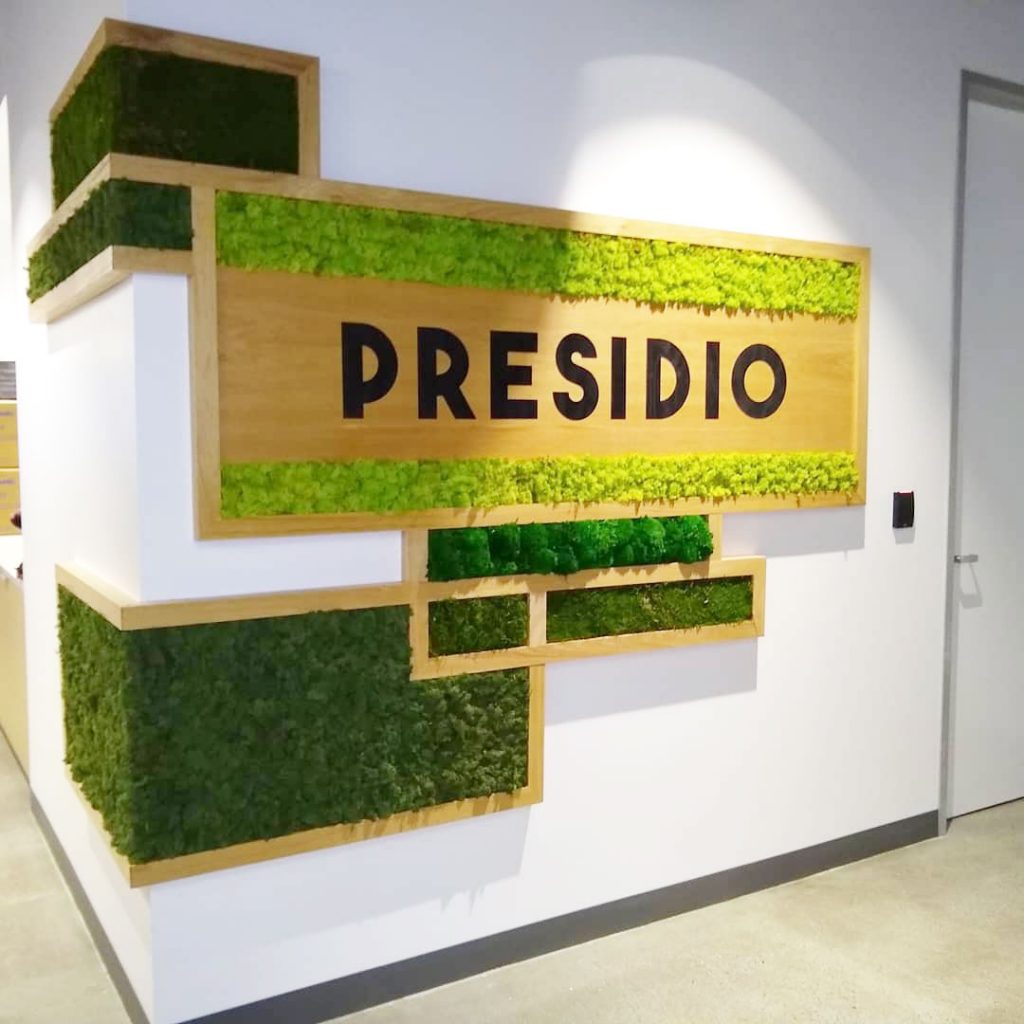
A moss wall is designed to bring a consistent, vibrant natural element into an interior space. Its rich green tones create a calming visual impact, making it a popular feature in offices, commercial settings, and modern interiors. When that color begins to fade or shift, it can feel unexpected and concerning.

Unlike traditional plants, a moss wall does not grow or require watering. It is preserved to maintain its appearance over time. However, this does not mean it is immune to environmental influences. Changes in color often signal that certain conditions around the installation have shifted.

Understanding why a moss wall loses color requires looking at how it interacts with light, air, humidity, and placement. These factors play a larger role than most people realize.

How Light Exposure Affects Moss Wall Color

Lighting is one of the most common reasons a moss wall begins to lose its color. While moss walls are designed for indoor environments, prolonged exposure to certain types of light can affect their appearance.

  • Direct sunlight exposure. Constant sunlight can cause fading and discoloration over time.
  • Strong artificial lighting. Intense overhead lighting can dry out preserved moss and alter its tone.
  • Uneven light distribution. Sections of the wall may fade differently depending on exposure levels.
  • Long-term exposure effects. Gradual changes may go unnoticed until the color shift becomes more pronounced.

Placement plays a key role in maintaining color consistency. Moss walls perform best in environments where lighting is controlled and indirect.

The Impact Of Humidity And Air Conditions

Even though a moss wall is preserved, it still responds to the surrounding air conditions. Humidity levels, airflow, and indoor climate all influence how the material retains its texture and color.

  • Low humidity levels. Dry air can make moss brittle and cause fading.
  • Excess airflow. Strong ventilation or air conditioning can accelerate moisture loss.
  • Temperature fluctuations. An inconsistent indoor climate can affect how the moss holds its color.
  • Proximity to vents. Placement near HVAC systems can lead to uneven drying.

Maintaining stable indoor conditions is essential for preserving the natural look of a moss wall.

Handling And Environmental Contact

Physical interaction and environmental contact can also contribute to changes in color. Moss walls are designed to be low-maintenance, but they are not meant for frequent handling.

  • Direct contact. Touching the moss can transfer oils or cause slight damage to its surface.
  • Dust accumulation. Over time, dust can dull the appearance of the moss.
  • Nearby activities. High-traffic areas may expose the wall to more environmental stress.
  • Accidental impact. Minor disturbances can affect the structure and texture of the moss.

These factors may seem minor, but over time, they can influence the overall appearance of the installation.

Differences Between Moss Walls And Living Walls

Understanding how a moss wall differs from a living wall helps explain why color changes occur. Unlike living walls, moss walls are preserved rather than actively growing, which means they respond differently to environmental conditions.

  • No watering requirements. Moss walls do not rely on irrigation systems.
  • Stable structure. They maintain their shape without ongoing growth.
  • Environmental sensitivity. Color changes are influenced by surrounding conditions rather than plant health.
  • Low maintenance expectations. While minimal care is needed, proper placement remains important.

For a deeper understanding of how these systems compare, this explanation of living wall differences highlights how upkeep and environmental response vary between installations.

This distinction helps clarify why moss walls require specific conditions to maintain their visual quality.

When Color Changes Indicate The Need For Professional Care

Color fading is not always a sign of permanent damage, but it does indicate that adjustments may be needed. Identifying the cause early allows for more effective restoration and long-term preservation.

Moss walls are often part of a larger interior design plan, which means maintaining their appearance is essential. Professional evaluation helps determine whether the issue is related to lighting, placement, or environmental conditions.

Understanding how moss walls are designed and installed provides additional context for addressing these issues. For example, exploring how a custom moss wall design is structured can offer insight into how placement and environment affect performance.

Professional care ensures that the wall continues to complement the space while maintaining its intended aesthetic.

Restore The Look Of Your Moss Wall With Expert Guidance

A moss wall is meant to remain visually consistent, but environmental factors can gradually affect its color. Recognizing these changes early helps preserve its appearance and prevent further fading.For a more reliable solution and expert support, contact Creative Plant Design Inc. to keep your moss wall looking its best.

How Do Living Walls Compare To Moss Walls In Terms Of Upkeep

Green design has become a defining feature in modern interiors, especially in offices and commercial environments. Vertical plant installations such as living walls and moss walls are increasingly used to enhance visual appeal, improve atmosphere, and create a stronger connection to nature indoors. While both options offer distinct benefits, their upkeep requirements differ significantly.

Choosing between living walls and moss walls often comes down to understanding how much maintenance each system requires. From watering and lighting to long-term care, the level of attention needed can shape both the experience and the sustainability of the installation.

What Defines Living Walls And Moss Walls

Living walls and moss walls may appear similar at first glance, but they are built on entirely different systems. Each has its own structure, purpose, and maintenance demands.

  • Living walls are composed of live plants rooted in vertical systems that require soil or a growing medium
  • Moss walls use preserved moss that no longer grows and does not require traditional plant care
  • Living walls rely on irrigation, lighting, and nutrient management
  • Moss walls are designed for stability and visual consistency without ongoing growth

Understanding this distinction is essential when evaluating upkeep. While both contribute to interior design, their long-term care requirements vary greatly.

In many cases, the decision also depends on how the installation is expected to function within the space. Some environments prioritize dynamic growth, while others focus on low-maintenance aesthetics.

Maintenance Requirements For Living Walls

Living walls require active care to ensure that plants remain healthy and visually balanced. Because they consist of living systems, they respond to environmental conditions and require ongoing attention.

  • Irrigation systems must be monitored to maintain consistent moisture levels
  • Lighting conditions need to support plant growth, especially in indoor settings
  • Nutrient levels must be managed to prevent deficiencies or imbalances
  • Pruning and plant replacement may be necessary to maintain the appearance

These requirements make living walls more dynamic but also more demanding. Regular care is essential to prevent issues such as uneven growth or plant stress.

At the same time, the benefits of living walls extend beyond appearance. They can contribute to improved indoor environments, particularly when designed with purpose. This connection between greenery and indoor experience is explored in how plants enhance workspaces, where thoughtful integration supports both function and atmosphere.

Upkeep Advantages Of Moss Walls

Moss walls offer a different approach to green design. Because the moss is preserved, it does not require the same level of care as living plants.

  • No watering or irrigation systems are needed
  • Lighting requirements are minimal since growth is not a factor
  • Maintenance is limited to occasional cleaning and environmental monitoring
  • The appearance remains consistent over time without pruning

This simplicity makes moss walls appealing for spaces where maintenance resources are limited. They provide the visual impact of greenery without the ongoing responsibilities associated with living systems.

However, moss walls still require attention to environmental conditions. Excess humidity or direct sunlight can affect their longevity, which means placement and monitoring remain important.

Comparing Long-Term Upkeep And Costs

When evaluating living walls and moss walls, long-term upkeep plays a significant role in overall cost and effort. While initial installation is important, ongoing care often determines the true investment.

  • Living walls involve continuous maintenance costs related to irrigation, lighting, and plant care
  • Moss walls have lower ongoing costs due to minimal maintenance requirements
  • Living walls may require periodic updates to maintain plant health and design balance
  • Moss walls offer stability but do not provide the dynamic growth of living systems

These differences highlight the importance of aligning the choice with the needs of the space. A living wall may be ideal for environments that value active greenery, while a moss wall may suit spaces where simplicity is preferred.

Understanding how these systems perform over time is essential. The value of living walls, for example, is often tied to both their function and their upkeep, as discussed in what makes a living wall worth the investment.

Why Professional Management Matters For Both Options

Whether choosing living walls or moss walls, professional management plays a key role in achieving consistent results. Each system requires a level of expertise to ensure that it performs as intended within the space.

Professionals assess factors such as lighting, airflow, and layout to determine the most suitable approach. For living walls, this includes designing irrigation systems and selecting plant varieties that thrive in the environment. For moss walls, it involves ensuring proper placement and maintaining conditions that support long-term stability.

In addition, professional care helps prevent issues that may not be immediately visible. Subtle changes in the environment or system performance can affect the outcome over time. Addressing these factors early helps maintain both appearance and function.

Because these installations are integrated into the overall design of a space, their success depends on careful planning and ongoing evaluation.

When Design Meets Practical Care

Choosing between living walls and moss walls is not only about appearance. It is about how each option fits into the daily operation of the space.

Understanding upkeep requirements ensures that the chosen design remains effective and sustainable.

Bring Green Design To Life With Confidence

When selecting the right green wall system, a thoughtful approach makes all the difference. Contact Creative Plant Design Inc. to explore solutions that align with your space and maintenance goals.

5 Reasons Why Your Indoor Plants Are Wilting

Wilting is one of the earliest visual signals that something in your plant environment is out of balance. Leaves droop, stems soften, and the overall structure begins to look tired. While many assume the solution is simply “add more water,” the reality is more complex. Wilting is often the result of layered issues involving light, soil conditions, airflow, and nutrient stability.

From a professional interiorscape perspective, effective indoor plants care begins with accurate diagnosis. Instead of reacting to surface symptoms, the goal is to identify the environmental factor disrupting plant performance. Below are five of the most common reasons indoor plants begin to wilt and how structured plant management prevents recurring decline.

1. Inconsistent or Incorrect Watering

Water mismanagement remains the most frequent cause of wilting. However, both excess moisture and insufficient watering can produce similar symptoms, which is why visual inspection alone is rarely enough.

Common watering problems include:

  • Overwatering in low-light areas
    When plants receive limited light, moisture evaporates slowly. Saturated soil deprives roots of oxygen.
  • Underwatering during growth periods
    In spring, increased growth can raise water demand. Without adjustment, plants may begin to droop.
  • Surface-only watering
    Moistening only the top layer of soil leaves deeper roots dry and stressed.
  • Containers without proper drainage systems
    Decorative pots that trap moisture encourage root damage over time.

Professional indoor plants care programs evaluate species, container size, soil composition, and light exposure before setting watering schedules. This tailored oversight prevents the repeated cycle of overcorrection that often leads to further stress.

For businesses and property managers seeking guidance on plant selection and structured maintenance strategies, exploring professionally curated interior plant programs can clarify how plant systems are designed to thrive in commercial environments. You can learn more about comprehensive commercial greenery planning through these proven indoor plant solutions.

2. Light Imbalance or Sudden Light Changes

Light is the engine behind plant health. When indoor plants do not receive adequate or appropriate light, their ability to maintain firm, upright foliage diminishes.

Light-related causes of wilting may include:

  • Placement too far from natural windows
    Even moderate distance from daylight can significantly reduce usable light levels.
  • Seasonal light shifts
    Changes in sun angle during different times of year affect exposure patterns.
  • Relying solely on artificial lighting
    Not all overhead lighting systems provide sufficient spectrum for sustained growth.
  • Abrupt relocation
    Moving plants from bright spaces into shaded corners without transition can shock foliage.

Mapping light conditions across a space, rather than estimating visually, is a key part of professional indoor plant care. This ensures plants are matched with conditions that support long-term vitality rather than short-lived placement decisions.

3. Root Restriction and Soil Compaction

Many wilting issues originate below the surface. When root systems are confined or soil structure deteriorates, plants struggle to absorb water and nutrients efficiently.

Root-related concerns often involve:

  • Root-bound containers
    Plants left in undersized pots restrict their own growth and hydration capacity.
  • Compacted soil over time
    Repeated watering compresses soil, limiting oxygen flow to roots.
  • Undetected root rot
    Excess moisture combined with poor drainage can quietly damage roots before symptoms appear above soil.
  • Improper container transitions
    Repotting without careful preparation may cause additional stress.

Structured indoor plant care includes periodic root inspections and soil assessments. Preventative evaluation protects plant health before visible decline becomes severe.

4. Environmental Stress From HVAC Systems

Indoor environments are rarely stable ecosystems. Heating and cooling systems create temperature swings, airflow variations, and humidity shifts that impact plant performance more than most occupants realize.

Environmental stressors may include:

  • Constant airflow from vents
    Direct drafts dry foliage and soil more rapidly than expected.
  • Low humidity levels
    Many tropical species require higher humidity than climate-controlled offices provide.
  • Frequent exposure to entryway conditions
    Plants placed near doors experience repeated temperature fluctuations.
  • Dust accumulation on leaves
    Dust reduces photosynthesis efficiency and overall plant vigor.

Professional plant maintenance programs account for these building-specific conditions. Adjustments in placement and care routines ensure plants remain stable even within demanding commercial interiors.

5. Nutrient Imbalance and Growth Disruption

Plants require consistent nutrient management to maintain structural strength. Wilting can occur when growth cycles are not supported with appropriate feeding schedules.

Common nutrient-related factors include:

  • Irregular fertilization timing
    Applying nutrients inconsistently disrupts development.
  • Incorrect nutrient formulation
    Different plant species require different nutrient ratios.
  • Salt buildup in soil
    Residue from excessive fertilizer can impair water absorption.
  • Seasonal growth surges
    Spring growth increases nutrient demand, which must be managed carefully.

Effective indoor plant care integrates nutrient planning with seasonal growth patterns and species requirements. Rather than reacting after symptoms appear, structured programs maintain stability year-round.

For those interested in understanding the horticultural knowledge and long-term experience behind professional interiorscape services, reviewing the team’s background and qualifications can provide valuable context. You can explore more about the expertise and industry history by visiting the page that outlines the team’s background and experience.

Restore Stability Before Wilting Spreads

Wilting rarely results from a single issue. More often, it reflects an imbalance between water, light, root health, airflow, and nutrients. Identifying the true cause requires evaluation beyond surface symptoms.If your plants are showing signs of decline or if you want to establish a preventative indoor plants care program that protects long-term health, contact Creative Plant Design Inc. to discuss professional plant design and maintenance solutions tailored to your environment.

How to Choose the Right Spring Plants for My Office

Spring can change how an office feels without moving a single desk. Brighter days make spaces look sharper, and that extra daylight tends to highlight what feels stale. Bringing in spring plants is one of the most practical ways to refresh a workplace because it improves the look of the space while supporting comfort and consistency across the workday.

The key is making selections that actually succeed in an office setting. Commercial interiors have unique constraints, including mixed lighting, HVAC airflow, and busy traffic patterns. When spring plants are chosen with those realities in mind, the result looks intentional and stays attractive. When choices are made without a plan, plants decline quickly, and the “refresh” becomes a constant cycle of replacement. The guidelines below reflect how professional interiorscape teams evaluate a workspace and build a plant plan designed to last.

Office Plants

Start with the office conditions that will control plant success

Before picking varieties, start with the environment. In professional settings, plant performance is driven less by the season and more by what the building can support. A strong plant plan begins with a real-world review of how the space behaves, not how it looks at noon on a sunny day.

Focus on these decision points:

  • Light map, not light guess
    Identify bright zones, medium-light areas, and corners that stay dim all day. Note window direction, tinting, overhangs, and whether blinds stay closed during work hours.
  • Distance from windows matters
    A plant that thrives at the glass may struggle just a few meters back. Interiors often have a fast drop-off in usable light.
  • HVAC patterns and drafts
    Vents, entry doors, and temperature swings can dry foliage and stress roots. Spring plants that prefer stable conditions should be placed away from direct airflow.
  • Humidity and indoor dryness
    Many offices run dry, especially with constant cooling. Species selection should match those realities.
  • Traffic flow and safety
    Plant placement must avoid walkways, emergency exits, and high-traffic corners where containers get bumped.

A professional site assessment is valuable because it turns “this area seems bright” into measurable placement decisions. That reduces trial and error and keeps spring plants looking good longer.

Choose spring plants by role: impact plants, support plants, and finishing touches

In offices, spring plants should be selected like a design system, not a collection of individual pots. The goal is to build a layered look that fits the space and stays presentable with consistent care.

A practical way to plan is to assign roles:

  • Impact plants
    Larger floor plants that create immediate visual presence in lobbies, reception areas, and open collaboration zones.
  • Support plants
    Medium-sized plants that fill sightlines, soften corners, and add rhythm along corridors without overwhelming the space.
  • Finishing touches
    Smaller tabletop plants or accent groupings used sparingly to add seasonal freshness where people pause and gather.

Within each role, prioritize varieties that match the building’s light level and maintenance cadence. A beautiful spring plant that needs frequent hands-on attention is rarely the best choice for a workplace. For offices that want a curated approach with dependable results, it helps to review proven options designed for commercial interiors through theseindoor plant solutions. That kind of selection framework keeps the design cohesive and reduces the risk of choosing plants that are visually appealing but impractical indoors.

Match spring plants to office design, branding, and layout

Even healthy plants can look “off” if the design does not match the space. In professional interiors, scale, container style, and placement are what make spring plants feel intentional rather than temporary.

Use these layout principles:

  • Reception is the first impression zone
    Choose a statement placement that feels confident and clean, with containers that align with finishes already in the lobby.
  • Open offices need structure without clutter
    Use taller plants to define zones and soften long lines, but keep clearance around walkways and shared equipment areas.
  • Conference rooms benefit from restraint
    One or two well-placed plants often outperform multiple small pots that compete with screens, cables, and tabletop space.
  • Break areas can handle more personality
    Spring plants with brighter foliage or softer forms tend to work well where people reset and recharge.
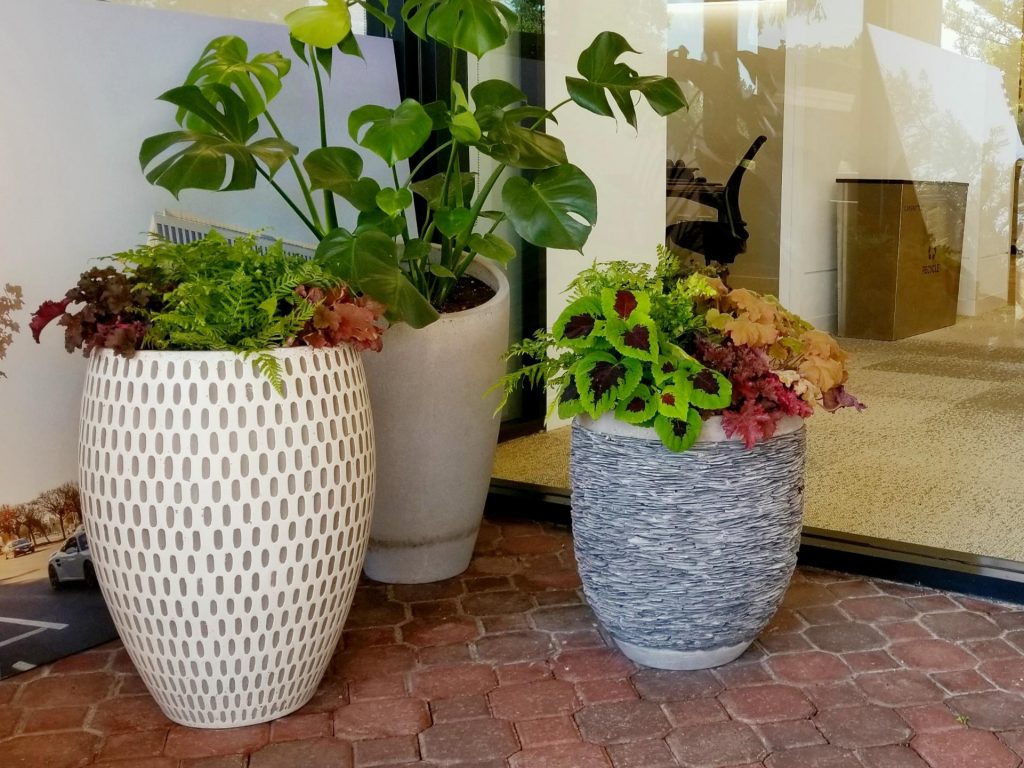
  • Container selection matters as much as the plant
    Commercial-grade planters should fit brand tone, be stable, and be easy to service discreetly.

Professional design teams also consider how plantings will photograph, how they will look from the entrance sightline, and how they will read from seated eye level. That is the difference between “plants in the office” and a space that feels finished.

Plan for maintenance from day one so the space stays polished

Spring plants look their best when care is consistent and proactive. Offices are not ideal environments for casual plant care because schedules fluctuate, responsibility gets passed around, and it is easy to overwater or forget key details. A structured maintenance plan prevents decline and protects the visual standard of the workplace.

A dependable plan usually includes:

  • Watering aligned to the building, not a generic calendar
    Light levels, pot size, and HVAC conditions change how quickly soil dries. A one-size schedule tends to cause overwatering in dim zones and underwatering in bright zones.
  • Grooming and pruning for a clean look
    Removing damaged leaves, shaping growth, and keeping containers tidy is what maintains a professional appearance.
  • Nutrient management and seasonal adjustments
    Spring growth can increase nutrient needs, but dosing must match plant type and interior conditions.
  • Pest monitoring and early intervention
    Indoor pests spread quietly. Regular checks prevent small issues from becoming disruptions.
  • Replacement planning when appearance drops
    In commercial spaces, aesthetics are part of performance. A plan should address what happens when a plant no longer looks attractive.

This is where professional support becomes a practical efficiency choice. Instead of asking office staff to manage live plants between meetings and deadlines, a dedicated service plan keeps the environment consistent and prevents that slow slide from “fresh spring look” to “sad corner plant.” To know more about the standards and expertise behind commercial plant care, explore our team’s background and experience.

Create a Thoughtful Spring Refresh

If the goal is a spring refresh that looks intentional, stays healthy, and fits the way an office actually functions, professional planning makes the difference. Contact Creative Plant Design Inc. to discuss a spring plant program tailored to your workspace.

What Makes a Living Wall Worth the Investment?

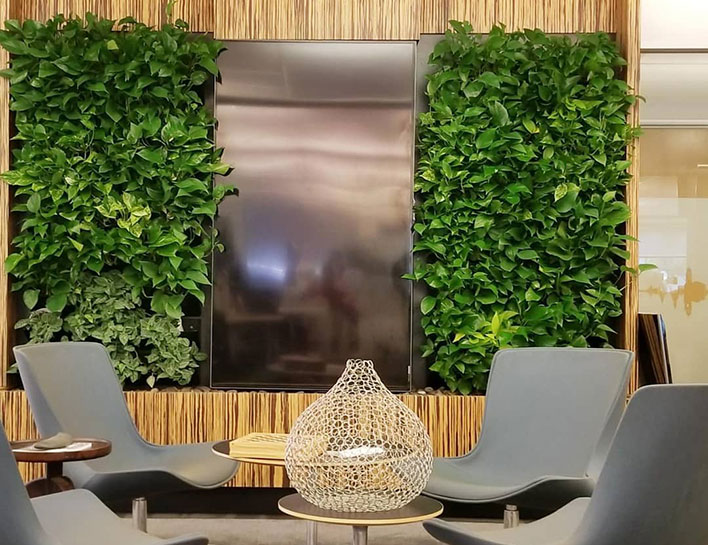
A living wall is more than a design feature. It is a carefully engineered system that integrates horticulture, architecture, and long-term plant care into one cohesive installation. When properly designed and maintained, a living wall transforms interior spaces into dynamic environments that support wellness, strengthen brand identity, and enhance environmental quality.

From corporate offices to hospitality spaces, decision makers often ask whether a living wall is worth the investment. The answer lies in understanding its functional value, aesthetic impact, and maintenance requirements. With professional planning and oversight, a living wall becomes a long-term asset rather than a decorative expense.

The Visual and Brand Impact of a Living Wall

A living wall immediately elevates a space. Unlike traditional potted plants, vertical greenery introduces scale, texture, and depth that cannot be replicated through artwork or surface finishes alone.

Organizations that invest in a living wall often experience:

  • A strong visual focal point that defines reception areas or gathering spaces
  • Enhanced first impressions for clients and visitors
  • Reinforcement of sustainability values and environmental awareness
  • A distinctive architectural feature that sets the brand apart

In competitive industries, spatial design communicates credibility. A thoughtfully integrated living wall signals attention to detail and long-term vision. It reflects a commitment to well-being and environmental responsibility without overt messaging.

However, achieving this impact requires careful species selection, structural planning, irrigation design, and lighting coordination. Vertical installations demand horticultural precision to maintain uniform growth patterns and color balance. Professional oversight ensures the wall remains vibrant and structurally sound over time.

Environmental and Wellness Benefits

Beyond aesthetics, a living wall contributes to measurable environmental improvements within interior spaces. When plants are installed at scale, their cumulative effects on indoor conditions become more pronounced.

Key benefits include:

  • Improved humidity balance in climate-controlled buildings
  • Enhanced acoustic absorption in open layouts
  • Reduced glare and visual fatigue from reflective surfaces
  • Support for psychological well-being through biophilic design

Research consistently demonstrates that exposure to greenery reduces stress and supports cognitive function. A living wall magnifies this effect by creating an immersive natural element within built environments.

Employees working near large-scale plant installations often report greater comfort and improved concentration. Hospitality environments benefit from extended guest dwell time and a more welcoming atmosphere. These indirect returns on investment contribute to stronger employee engagement and client satisfaction.

To fully realize these outcomes, design and maintenance strategies must be aligned with the building’s infrastructure. Water delivery systems, drainage, and lighting must be calibrated precisely. This level of integration underscores why professional expertise is critical to long-term success.

Long-Term Financial Value and ROI

While initial installation costs may appear substantial, a living wall should be evaluated through a long-term lens. When properly maintained, it provides ongoing returns across several dimensions.

Financial and operational advantages include:

  • Increased property value through enhanced architectural features
  • Strengthened brand perception that supports marketing initiatives
  • Reduced need for additional decorative elements
  • Greater employee retention linked to improved workplace satisfaction

A living wall also serves as a durable design investment. Unlike seasonal décor or temporary displays, vertical plant systems are engineered for longevity. With structured maintenance programs, plant health remains consistent year after year.

Maintenance planning is essential. Soil composition, nutrient management, pruning schedules, and irrigation monitoring all influence performance. Attempting to manage a complex vertical system without specialized horticultural knowledge can compromise plant vitality and system efficiency.

Organizations seeking deeper insight into the horticultural expertise behind professional plant installations can learn more about the experience guiding these services by visiting a page where you can know more about us. Understanding the standards and philosophy behind commercial plant programs clarifies why structured maintenance is central to long-term value.

Managing Plant Health and Pest Control

A thriving living wall depends on proactive plant health management. In commercial environments, pest prevention and early detection are critical components of responsible care.

Common indoor plant pests that require monitoring include:

  • Aphids
  • Mealybugs
  • Spider mites
  • Fungus gnats
  • Scale insects

These pests can affect plant vitality and visual consistency if not addressed promptly. In vertical systems, early identification is especially important because infestations can spread across multiple plant sections.

Professional maintenance programs typically include routine inspections, integrated pest management protocols, and safe treatment strategies. These measures protect both plant health and occupant safety.

In addition to pest monitoring, plant health programs include irrigation calibration, root zone assessment, and structural inspections of mounting systems. This comprehensive approach ensures that the living wall remains an asset rather than becoming a maintenance concern.

The complexity of vertical plant systems makes ongoing professional care indispensable. Expertise in horticulture and environmental management protects the original investment while preserving aesthetic and environmental benefits.

Strategic Design and Customization

Every living wall is unique. Factors such as lighting exposure, wall orientation, airflow patterns, and architectural constraints influence plant selection and system configuration.

Professional design teams evaluate:

  • Light intensity and distribution throughout the day
  • Structural load capacity of installation surfaces
  • Irrigation integration with building systems
  • Accessibility for maintenance and plant replacement

Customization allows the living wall to align with brand identity and spatial goals. Plant species can be selected for texture, color variation, or growth patterns that complement the surrounding architecture.

For organizations exploring how vertical greenery can be tailored to their specific space, reviewing detailed examples of living wall design options can provide practical insight into system configurations and aesthetic possibilities.

The most successful installations balance artistic vision with horticultural science. This balance ensures that the living wall not only looks impressive on day one but continues to perform effectively over time.

A well-executed living wall represents a convergence of design, engineering, and plant expertise. It enhances environmental quality, strengthens brand identity, and contributes to occupant well-being. When evaluated as a long-term strategic asset rather than a decorative feature, its value becomes clear.

Invest in Expertise for Lasting Impact

To ensure that your living wall delivers lasting performance and professional care, contact Creative Plant Design Inc. to discuss customized solutions for your space.

How Indoor Plants Improve Office Well-Being and Productivity

Modern offices are evolving. Fluorescent lighting and gray partitions are slowly giving way to thoughtful layouts that prioritize comfort, mental clarity, and environmental quality. At the center of this transformation is a simple but powerful addition: indoor plants. When selected, installed, and maintained correctly, greenery becomes more than decoration. It becomes a strategic tool for workplace well-being.

From stress reduction to improved concentration, indoor plants influence how people feel and function throughout the workday. Drawing on decades of horticultural expertise and interior plant design practices, professionals understand that plants in commercial spaces must balance aesthetics, health, and long-term care to truly deliver measurable benefits.

The Psychological Benefits of Indoor Plants in Workspaces

Indoor plants play a significant role in supporting mental wellness. Research in environmental psychology consistently shows that exposure to natural elements can lower stress levels and promote emotional balance.

In office environments, this translates into tangible advantages:

  • Reduced stress and anxiety levels during high-pressure tasks
  • Enhanced mood stability throughout long workdays
  • Increased feelings of calm and mental clarity
  • Improved overall job satisfaction

Employees working in plant-enhanced spaces often report feeling more comfortable and focused. The presence of greenery creates a subtle connection to nature, which counteracts the mental fatigue associated with screen-heavy environments.

However, not every plant thrives indoors. Lighting conditions, humidity levels, and airflow all influence plant health. When indoor plants struggle, the visual effect diminishes and the psychological benefits decline. Expert horticultural planning ensures that each plant is matched to its environment, sustaining both appearance and impact.

Improved Air Quality and Environmental Balance

Office air quality directly affects concentration and physical comfort. Enclosed environments may accumulate airborne irritants that contribute to headaches, fatigue, and reduced cognitive performance. Strategically placed indoor plants can assist in supporting healthier air conditions.

Plants naturally:

  • Absorb certain airborne toxins
  • Regulate humidity levels
  • Increase oxygen exchange
  • Reduce dust accumulation on surfaces

Beyond air purification, indoor plants can also help moderate temperature perception by softening harsh architectural lines and improving spatial balance. When plants are thoughtfully integrated into design layouts, they contribute to a more breathable and inviting atmosphere.

Yet maintaining plant health in climate-controlled office buildings requires specialized knowledge. Commercial spaces can present unique challenges such as inconsistent light exposure, HVAC fluctuations, and pest vulnerabilities. Professional plant management ensures that greenery remains vibrant and beneficial rather than becoming a maintenance concern.

Boosting Productivity Through Biophilic Design

Biophilic design integrates natural elements into built environments to support human performance. Indoor plants are central to this approach. When greenery is intentionally incorporated into office layouts, measurable productivity improvements often follow.

Employees surrounded by natural elements demonstrate:

  • Higher levels of concentration
  • Improved memory retention
  • Greater creativity during collaborative work
  • Faster task completion rates

Visual breaks provided by indoor plants help reduce eye strain caused by prolonged screen use. Even brief moments of visual engagement with greenery can restore attention and mental stamina.

In open office plans, plant installations can also define zones, create privacy buffers, and reduce noise reverberation. Living walls and structured plant groupings function as both design features and functional tools that improve workflow.

Achieving these outcomes requires more than simply placing potted plants near desks. Scale, species selection, container design, and spatial planning all influence results. Professional design teams evaluate traffic patterns, lighting sources, and architectural flow to ensure plants enhance productivity rather than obstruct it.

Managing Plant Health and Workplace Hygiene

Healthy indoor plants contribute to a professional atmosphere. Unhealthy plants can have the opposite effect. In commercial environments, plant care must address not only aesthetics but also hygiene and pest management.

Common plant-related pest concerns in interior settings include:

  • Aphids
  • Mealybugs
  • Spider mites
  • Fungus gnats
  • Scale insects

These pests can spread quickly if not identified early. While indoor plants are generally low risk when properly maintained, neglect can allow infestations to develop. This may affect both plant vitality and workplace comfort.

Routine monitoring, integrated pest management practices, and preventative horticultural strategies are essential in commercial environments. Professional plant care specialists understand how to identify early warning signs and implement discreet solutions that protect both plants and occupants.

Sustainable plant programs also incorporate soil management, pruning schedules, nutrient balancing, and safe treatment protocols. This structured approach ensures that greenery remains a long-term asset rather than a short-term decorative feature.

Organizations seeking deeper insight into professional plant management standards can learn more about the team’s background and horticultural philosophy by visiting the page where you can learn more about us.

Long-Term Value of Professionally Managed Indoor Plants

The strategic use of indoor plants extends beyond aesthetics. It influences employee retention, corporate image, and brand perception. Clients and visitors often form immediate impressions based on environmental quality. A thoughtfully designed green environment signals attention to detail and care.

Professionally managed indoor plant programs provide:

  • Consistent plant health and visual quality
  • Customized plant selections based on lighting conditions
  • Seamless container design integration
  • Ongoing maintenance and monitoring
  • Risk reduction through proactive pest control

Expert teams evaluate each space individually, recommending species that thrive under specific conditions. Whether designing a reception area, executive suite, collaborative workspace, or hospitality environment, professional plant planners ensure that indoor plants align with the organization’s goals and architectural identity.

For organizations evaluating design options and plant selection strategies, exploring solutions tailored to indoor plants for your space can provide practical examples of structured plant programs.

The most effective plant installations are not accidental. They are the result of horticultural science, environmental analysis, and disciplined maintenance systems. By partnering with professionals who understand the complexities of commercial plant care, organizations can fully realize the well-being and productivity benefits that indoor plants provide.

Indoor environments influence how people think, feel, and perform. When indoor plants are selected and maintained with expertise, they become powerful contributors to workplace success.

Elevate Your Workplace with Expert Plant Design

For tailored plant design and professional care solutions, contact Creative Plant Design Inc. to learn how strategic indoor plant programs can elevate your office environment.