What Maintenance Does A Living Wall Require Throughout The Year?

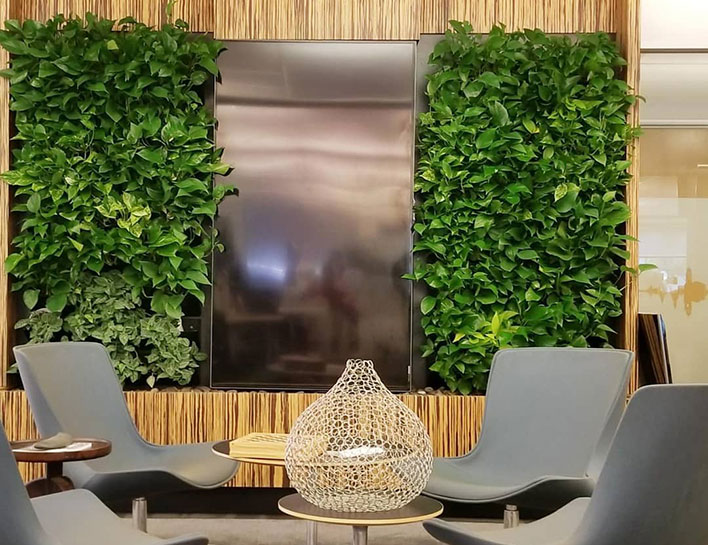
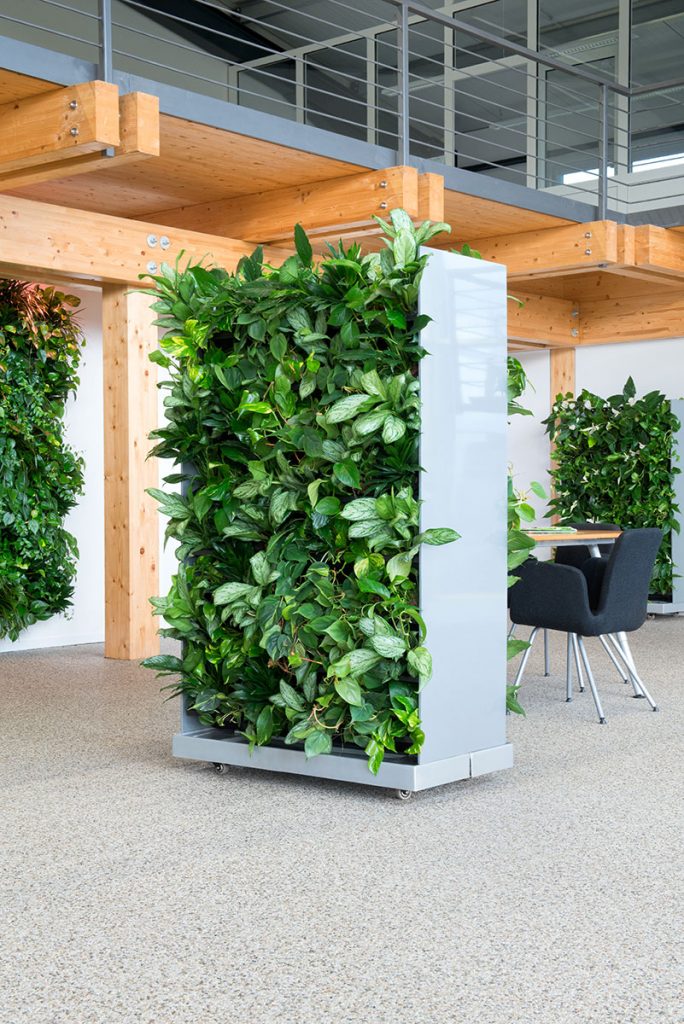
A living wall adds texture, greenery, and natural visual impact to commercial interiors, office environments, hospitality spaces, and public areas. While these vertical plant systems create a striking appearance, they also require consistent care throughout the year to remain healthy and visually balanced. Plant health, irrigation performance, lighting conditions, airflow, and seasonal environmental changes all influence how a living wall performs over time.

Long-term success depends on more than occasional watering or trimming. Professional maintenance helps monitor plant conditions, maintain irrigation efficiency, replace struggling plants, and protect the overall appearance of the installation. Without ongoing attention, even well-designed living walls may begin showing uneven growth, discoloration, moisture problems, or declining plant health.

Irrigation Systems Require Consistent Monitoring

One of the most important parts of living wall maintenance is irrigation management. Because plants grow vertically in compact spaces, consistent moisture distribution becomes essential for healthy long-term growth.

  • Irrigation lines should be checked regularly for clogs
  • Uneven watering may create dry or oversaturated areas
  • Drainage systems need monitoring to prevent moisture buildup
  • Water flow should remain balanced across the entire wall
  • Leaks may affect nearby structural surfaces over time

Even small irrigation issues can affect multiple plant sections quickly if left unaddressed. Some plants may receive too much moisture, while others struggle with dehydration. Regular maintenance helps identify these imbalances early before widespread plant decline develops.

Professional inspections also evaluate how environmental conditions such as indoor temperature, sunlight exposure, humidity, and airflow influence irrigation needs throughout the year. Seasonal adjustments often become necessary as indoor climate conditions change.

Plant Health Changes Throughout The Seasons

Living wall plants continue responding to seasonal environmental shifts even when installed indoors. Changes in natural light, heating systems, cooling systems, and humidity levels can influence growth patterns, moisture retention, and overall plant appearance.

  • Leaves may yellow if watering becomes inconsistent
  • Growth rates can slow during cooler seasons
  • Indoor heating may reduce surrounding humidity
  • Sunlight exposure may shift during different months
  • Certain plants require seasonal pruning and replacement

Professional maintenance includes monitoring plant stress, replacing weakened specimens, and preserving visual consistency throughout the installation. Some species adapt better than others depending on the location of the living wall and the surrounding environmental conditions.

Plant selection also influences long-term maintenance expectations. Some businesses compare different wall systems before installation to determine which best fits the space. These wall design comparisons explain how different vertical greenery systems vary in maintenance and appearance over time.

Regular evaluations help ensure the wall continues supporting both plant health and design goals throughout the year.

Pruning And Cleaning Help Maintain Appearance

Living walls are designed to remain visually balanced and attractive, but plants naturally grow unevenly without ongoing maintenance. Pruning and cleaning help preserve structure, airflow, and presentation while preventing overgrowth from affecting neighboring plants.

  • Overgrown foliage may block airflow and light
  • Dead leaves should be removed regularly
  • Uneven growth can affect visual symmetry
  • Dust accumulation may impact plant health indoors
  • Trimming supports healthier long-term growth patterns

Cleaning also plays an important role because living walls are often installed in offices, hospitality spaces, lobbies, and shared public environments where appearance matters significantly. Dust, debris, and neglected foliage may gradually reduce the visual impact of the installation.

Professional maintenance teams typically monitor both aesthetic balance and plant performance simultaneously. This broader approach helps ensure the wall remains healthy while continuing to support the surrounding interior design environment.

Consistent maintenance also helps detect irrigation or drainage concerns early, before visible deterioration spreads across larger sections of the wall.

Preventive Maintenance Supports Long-Term Performance

Many living wall problems begin gradually and remain unnoticed until visible decline becomes widespread. Preventive maintenance focuses on identifying small issues early before they affect the entire system.

  • Routine inspections improve long-term system reliability
  • Early plant replacement prevents larger visual gaps
  • Irrigation adjustments support healthier root conditions
  • Drainage evaluations help reduce moisture concerns
  • Ongoing monitoring protects overall wall performance

Professional maintenance plans often include scheduled inspections, plant rotation, fertilization adjustments, pruning, and irrigation calibration throughout the year. These routine evaluations help reduce the likelihood of costly repairs or widespread plant replacement later.

Businesses investing in living walls often prioritize long-term appearance, indoor atmosphere, and consistent plant health. These maintenance check benefits explain why regular professional care plays such an important role in preserving living wall performance over time.

Because living walls combine horticulture, irrigation, design, and environmental management, ongoing maintenance helps keep all systems functioning together efficiently.

Keep Your Living Wall Healthy Year-Round

A living wall requires more than occasional watering to remain healthy, balanced, and visually appealing throughout the year. Consistent irrigation monitoring, plant care, pruning, cleaning, and preventative inspections all support stronger long-term performance and healthier indoor environments. Professional maintenance also helps identify small concerns before they affect the appearance or functionality of the entire system. For professional living wall design and maintenance support, contact Creative Plant Design Inc.

Guide in Choosing Between Moss and Living Walls for Your Office Lobby

Designing an office lobby involves more than selecting furniture and finishes. It is about creating a first impression that reflects identity, professionalism, and attention to detail. Green installations have become a central element in modern commercial design, offering both visual impact and environmental value. Among the most popular options are moss walls and living walls, each offering distinct advantages.

From an expert perspective, the choice between these two systems depends on more than aesthetics. It involves understanding how each option performs within the space, how it aligns with maintenance capabilities, and how it contributes to the overall design intent. When selected thoughtfully, either option can transform a lobby into a memorable and balanced environment.

Understanding the Difference Between Moss and Living Walls

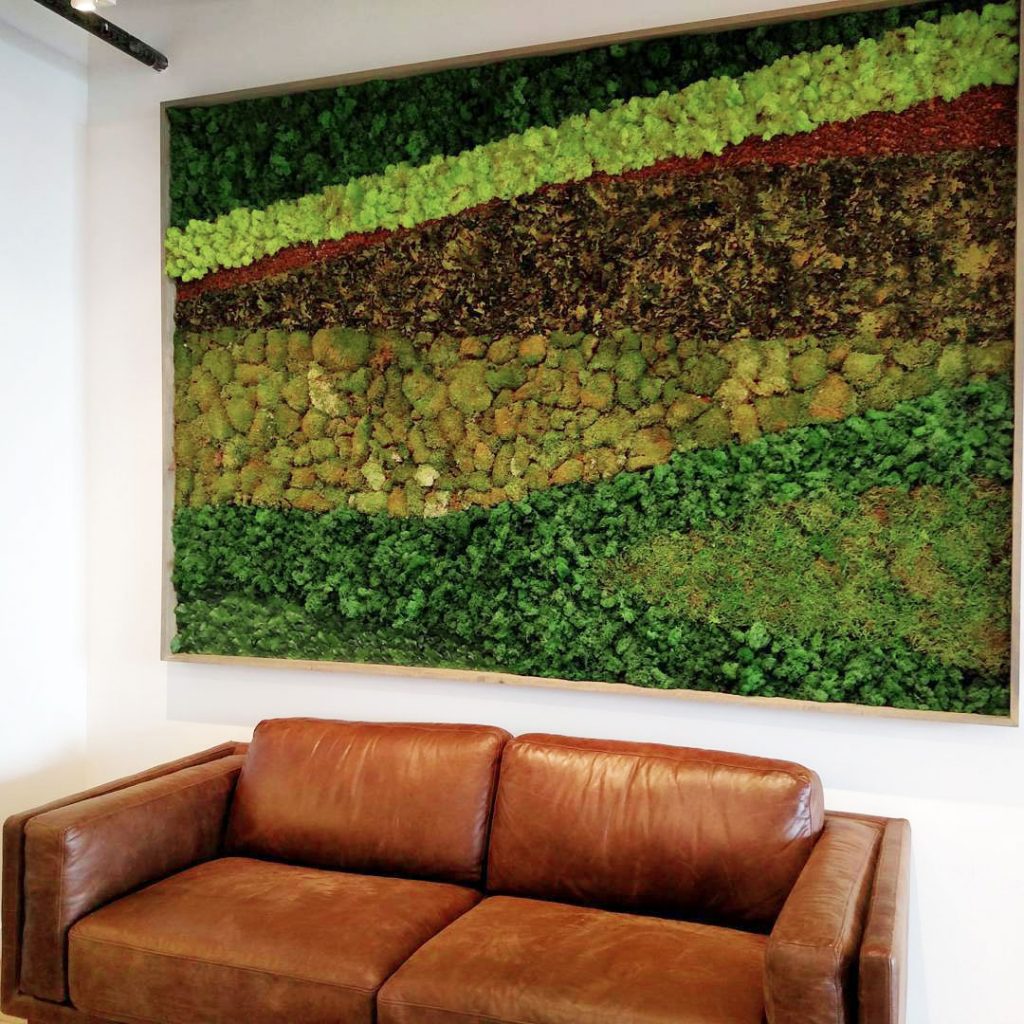
Moss walls and living walls may appear similar at first glance, but they differ significantly in structure, function, and care requirements. Understanding these differences is the first step in making an informed decision.

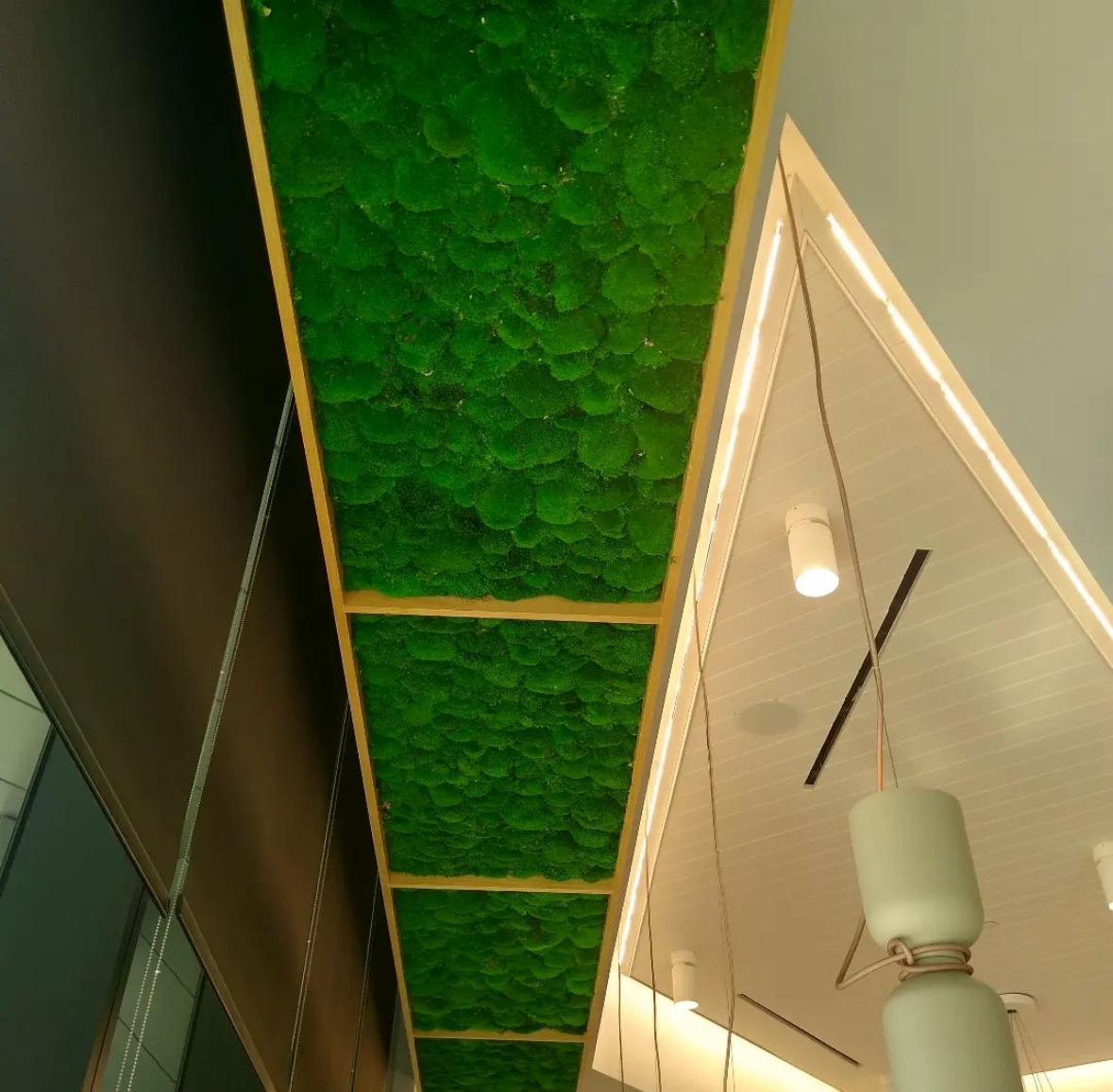
  • Moss walls. Preserved plant material that does not require watering or sunlight
  • Living walls. Vertical systems composed of live plants that require ongoing care
  • Visual texture. Moss provides a soft, uniform look, while living walls offer dynamic variety
  • Environmental interaction. Living walls actively respond to light and air conditions
  • Maintenance level. Moss is low maintenance, while living walls require regular servicing

These distinctions highlight how each option serves a different purpose. Moss walls are often chosen for simplicity and consistency, while living walls are selected for their ability to bring active greenery into a space.

Understanding plant compatibility with office environments is essential. In our recent article on choosing office plant types, the factors that influence plant selection are explored in greater detail.

Design Considerations for Office Lobbies

Office lobbies serve as both entry points and representation spaces. The choice between moss and living walls should align with the functional and visual goals of the area.

  • Space size. Larger lobbies may benefit from the depth and variation of living walls
  • Lighting conditions. Natural light supports living walls, while moss walls adapt to low-light areas
  • Traffic flow. Placement must avoid obstructing movement or access
  • Brand identity. The design should reflect the company’s style and values
  • Visual impact. Both options can serve as focal points when integrated correctly

These considerations ensure that the installation enhances rather than disrupts the space. A well-planned design creates balance between greenery and architecture, allowing the feature to stand out without overwhelming the environment.

Maintenance and Long-Term Performance

Maintenance is one of the most important factors when choosing between moss and living walls. Each system has specific requirements that influence long-term performance.

  • Moss walls require minimal upkeep. Occasional dusting and environmental stability are sufficient
  • Living walls require regular care. Watering, pruning, and monitoring are essential
  • System integration. Living walls often include irrigation and drainage systems
  • Longevity. Both options can last for years when properly maintained
  • Consistency. Regular servicing ensures that installations remain visually appealing

Living walls, in particular, benefit from ongoing care to maintain their health and appearance. In our blog post on living wall upkeep, the importance of consistent maintenance for long-term success is discussed further.

Choosing the right option depends on the level of maintenance support available. A system that aligns with operational capacity is more likely to deliver consistent results.

Environmental and Functional Benefits

Both moss and living walls contribute to the overall performance of a space, but they do so in different ways. Understanding these benefits helps determine which option aligns best with the goals of the office lobby.

  • Air quality. Living walls can support improved indoor air conditions
  • Acoustic support. Both systems help reduce noise levels within the space
  • Temperature regulation. Living walls can contribute to environmental balance
  • Visual comfort. Green installations create a calming atmosphere
  • Space efficiency. Vertical systems maximize the use of available wall space

These benefits extend beyond aesthetics. They influence how the space feels and functions on a daily basis. Selecting the right system ensures that these advantages are fully realized.

Why Professional Design and Installation Make a Difference

Choosing between moss and living walls is only part of the process. Successful integration depends on proper design, installation, and ongoing care. Professional services ensure that each element is aligned with the specific needs of the space.

The process begins with an assessment of the environment. This includes evaluating lighting, layout, and design objectives. Based on this analysis, the most suitable option is selected and customized to fit the space.

Installation is carried out with precision, ensuring that systems are secure, functional, and visually aligned with the overall design. For living walls, this includes integrating irrigation and support structures that maintain plant health.

Ongoing maintenance is another key factor. Professional care ensures that installations remain consistent, addressing any changes in environmental conditions or plant performance. This level of attention is essential for preserving both the appearance and functionality of the feature.

Without this expertise, installations may not achieve their full potential. A professional approach ensures that greenery becomes a lasting and effective part of the design.

Where First Impressions Take Root

Choosing between moss and living walls is about more than preference. It is about creating a lobby that reflects professionalism, balance, and thoughtful design. With the right approach, greenery becomes a defining feature of the space.For expert guidance and seamless plant installations, contact Creative Plant Design Inc. and take the next step toward elevating your office lobby.

What Are the Benefits of Regular Maintenance Checks for Living Walls

Living walls have become a defining feature in modern interior and exterior design, offering both aesthetic appeal and functional value. Beyond their visual impact, these vertical plant systems contribute to improved air quality, acoustic balance, and overall environmental comfort. However, their performance depends heavily on regular maintenance and consistent professional care.

From a professional standpoint, regular maintenance is not simply about keeping plants alive. It is a structured process that preserves plant health, protects system components, and ensures the wall continues to deliver its intended benefits. Without proper oversight, even the most well-designed installations can decline in both appearance and functionality.

Preserving Plant Health Through Regular Maintenance

A living wall is a dynamic ecosystem. Each plant species responds differently to light, moisture, and nutrients, which means ongoing monitoring is essential to maintain balance.

Regular maintenance helps address subtle issues before they become visible problems. This ensures the wall remains lush, uniform, and aligned with its original design intent.

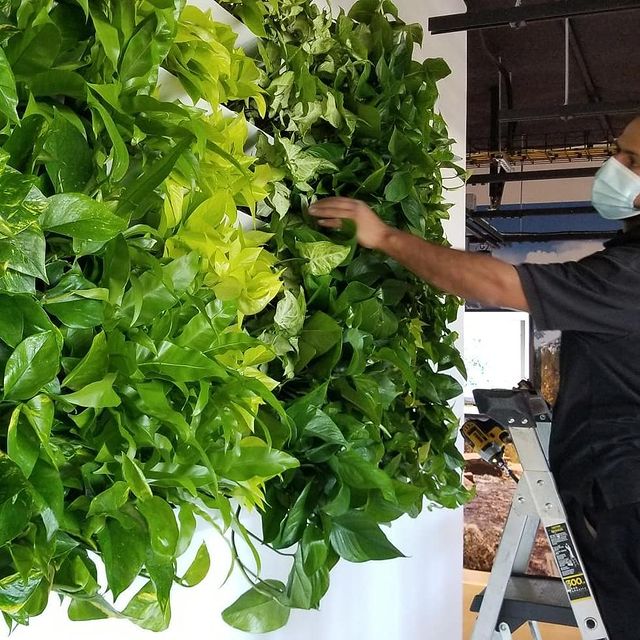
  • Monitoring plant vitality. Early signs of stress, such as discoloration or wilting, are identified and corrected promptly
  • Pruning and grooming. Overgrowth is controlled to maintain the intended structure and prevent overcrowding
  • Replacing declining plants. Individual plants can be swapped out to preserve visual consistency without disrupting the entire system
  • Adjusting light exposure. Placement and artificial lighting are fine-tuned to support healthy growth

A well-maintained system also reinforces long-term value. As explored in our recent article about why vertical greenery enhances property appeal, consistent care plays a direct role in performance. For a deeper look, explore this guide on living walls.

Ensuring Proper Irrigation and Nutrient Balance

The irrigation system is the backbone of any living wall. It delivers water and nutrients directly to the root systems, making precision critical.

Without regular maintenance, minor imbalances can lead to overwatering, dehydration, or nutrient deficiencies. These issues often develop gradually, which is why routine inspections are essential.

  • Inspecting irrigation lines. Blockages or leaks are identified and resolved before they affect plant health
  • Calibrating water flow. Ensures even distribution across all sections of the wall
  • Monitoring nutrient delivery. Fertilization levels are adjusted based on plant needs and seasonal changes
  • Preventing water damage. Proper drainage is maintained to protect surrounding surfaces

This structured approach ensures that the system operates efficiently while supporting consistent plant growth.

Protecting Structural Integrity and System Components

Living walls are more than just plants. They are engineered systems that include mounting structures, waterproofing layers, and integrated irrigation components.

Regular maintenance safeguards these elements, preventing costly repairs and extending the lifespan of the installation.

  • Checking support systems. Ensures panels and frames remain secure and stable
  • Inspecting waterproofing. Prevents moisture from affecting walls or adjacent materials
  • Evaluating system performance. Identifies wear and tear in pumps, timers, and delivery systems
  • Addressing minor repairs early. Small fixes reduce the risk of larger structural issues

This level of oversight reinforces the idea that a living wall is an investment. Ongoing regular maintenance protects not just the plants, but the entire system that supports them.

Reducing Long-Term Costs Through Preventive Care

One of the most overlooked advantages of regular maintenance is cost efficiency. Preventive care minimizes the likelihood of major interventions, which can be both expensive and disruptive.

When regular maintenance is consistent, issues are resolved at an early stage, reducing the need for extensive replacements or system overhauls.

  • Avoiding plant loss. Healthy plants reduce the need for frequent replacements
  • Preventing system failures. Routine inspections keep irrigation and structural components functioning properly
  • Minimizing labor-intensive repairs. Early intervention reduces complexity and cost
  • Extending system lifespan. Well-maintained walls last longer and perform better

Understanding upkeep expectations is also important when comparing different types of green installations. To better understand the differences, explore this upkeep comparison guide, which highlights how active systems benefit from consistent care.

Enhancing Environmental and Functional Benefits

Beyond aesthetics, living walls provide measurable environmental advantages. These benefits can only be sustained through regular maintenance.

Consistent care ensures that the wall continues to perform as intended, supporting both the indoor environment and overall user experience.

  • Improving air quality. Healthy plants contribute to better filtration and oxygen levels
  • Supporting thermal regulation. Well-maintained greenery helps stabilize indoor temperatures
  • Enhancing acoustic performance. Dense, healthy foliage improves sound absorption
  • Maintaining overall system efficiency. Balanced conditions allow the wall to function optimally

From a professional perspective, these outcomes are not accidental. They are the result of structured regular maintenance, careful monitoring, and timely adjustments.

A Living System That Thrives With Expert Oversight

Living walls are not static installations. They evolve over time, responding to environmental conditions and usage patterns. This makes regular maintenance an essential part of their success.

While it may be tempting to approach upkeep casually, the complexity of these systems requires a level of expertise that ensures consistency and reliability. Professional maintenance programs are designed to address both visible and hidden factors, creating a stable environment where plants and systems can thrive together.

Keep Your Living Wall Performing at Its Best

A well-maintained living wall continues to deliver beauty, function, and long-term value. For expert care and dependable results, connect with Creative Plant Design Inc. to ensure your system receives the attention it deserves.