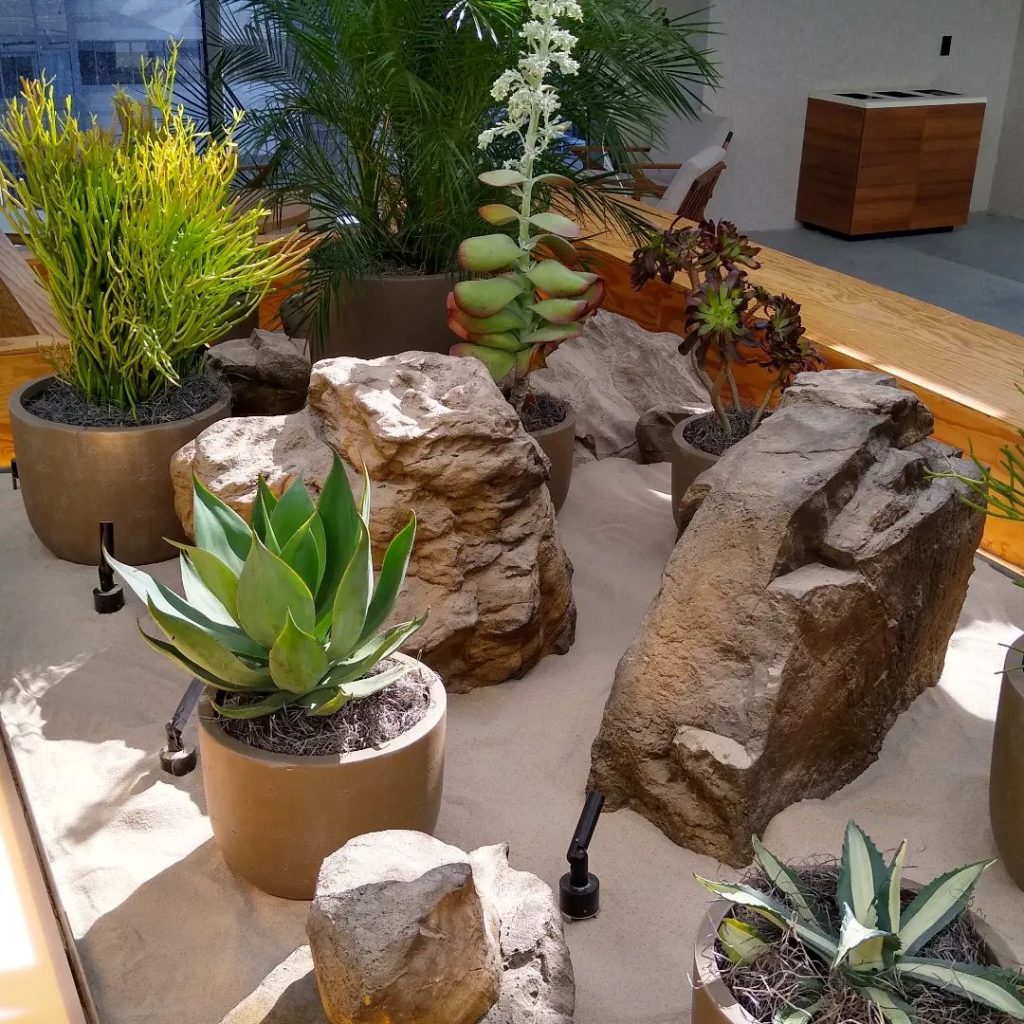
Replica Plants

Why Professional Indoor Plant Design Makes A Difference

A workplace can be beautifully furnished and still feel unfinished. Plants change that atmosphere, but the difference between random planters and thoughtful indoor plant design is larger than many people realize.

Professional design considers the space as a living environment, not a decorative afterthought. The goal is not simply to add greenery. The goal is to create a healthier-looking, more welcoming workplace that continues to look refined after installation.

Design Starts With the Space, Not the Plant

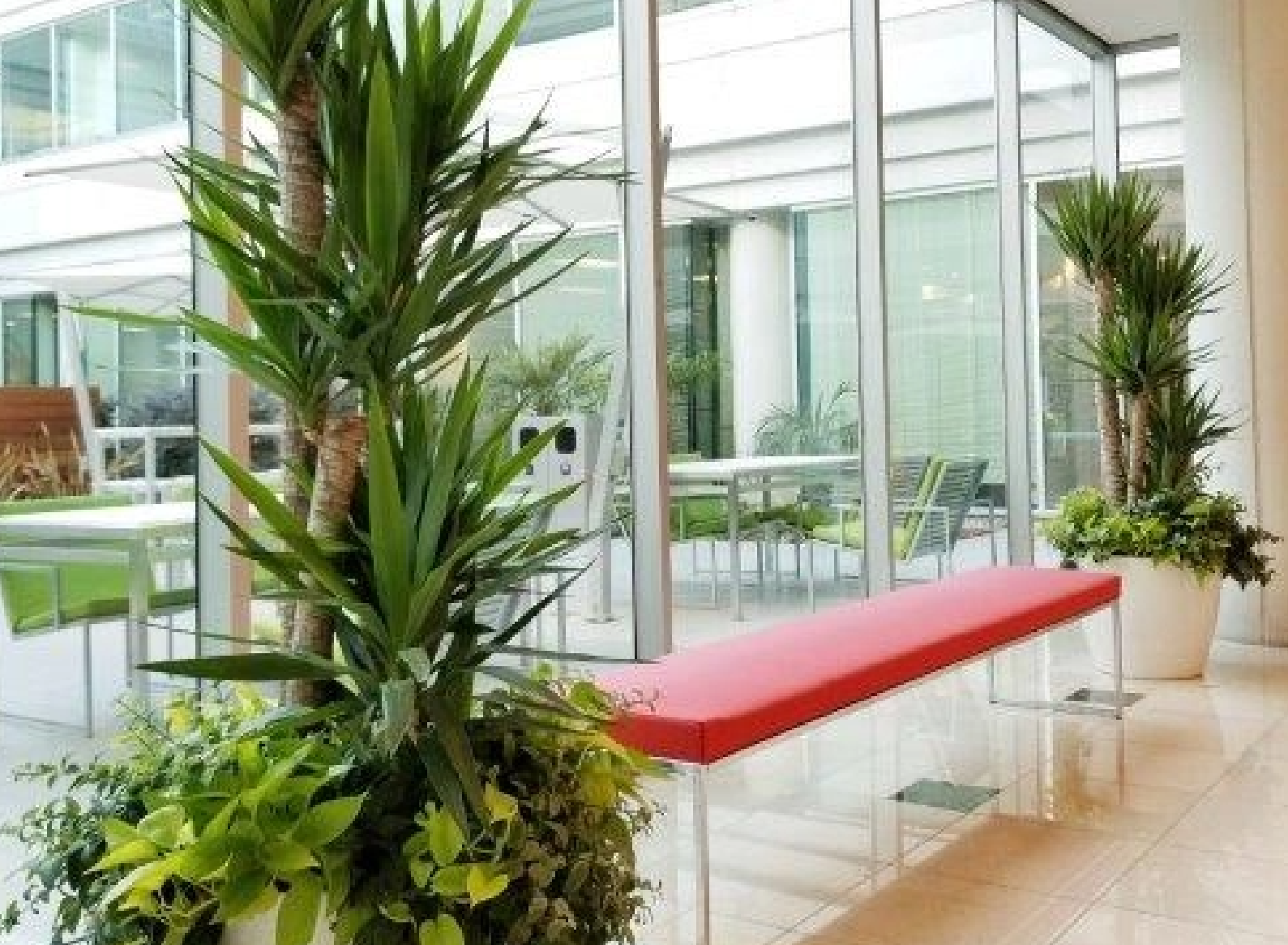
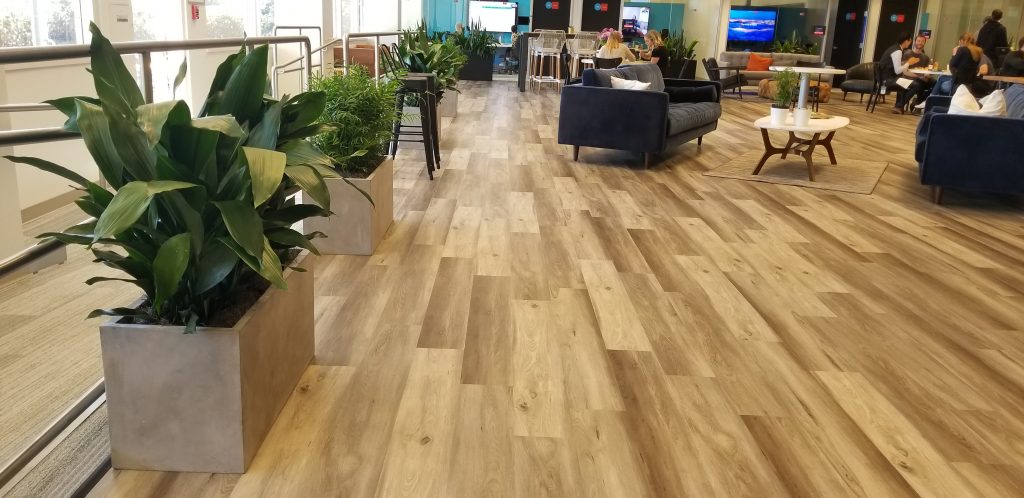
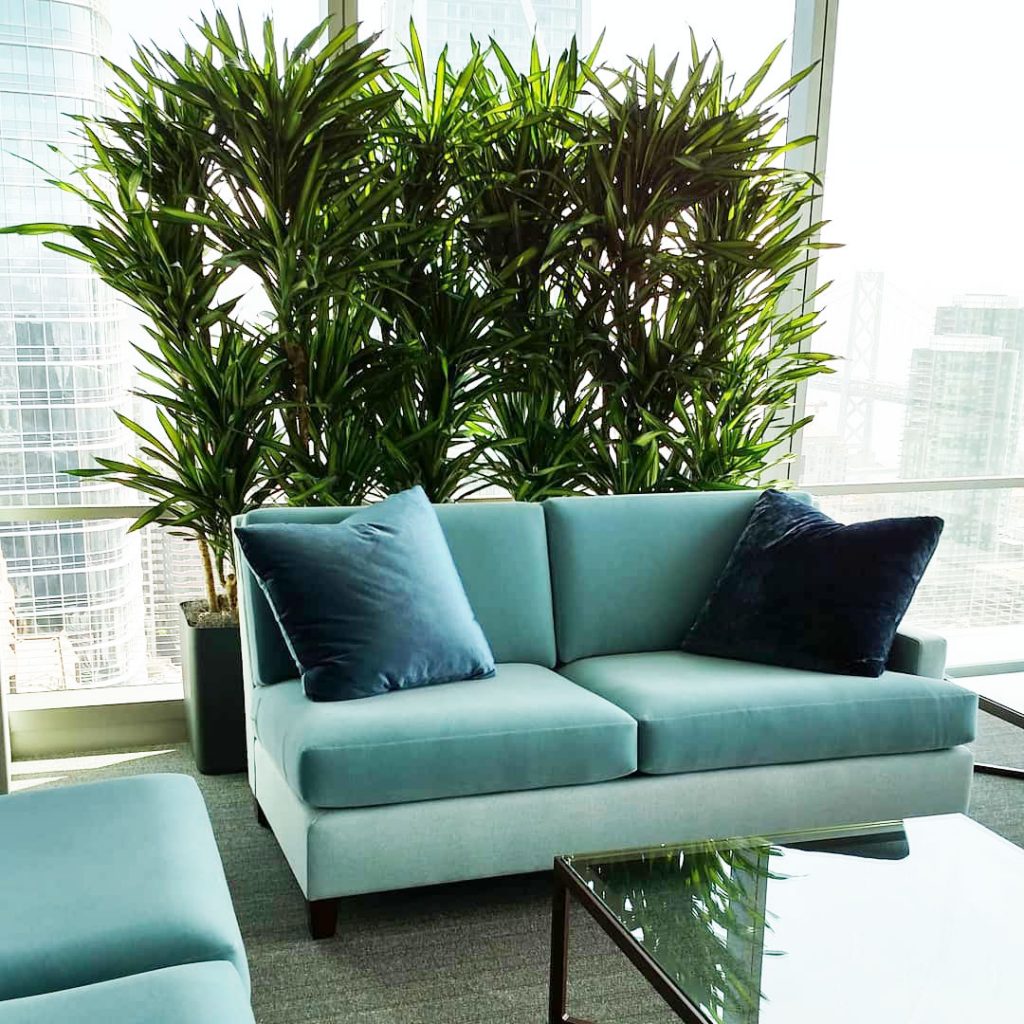
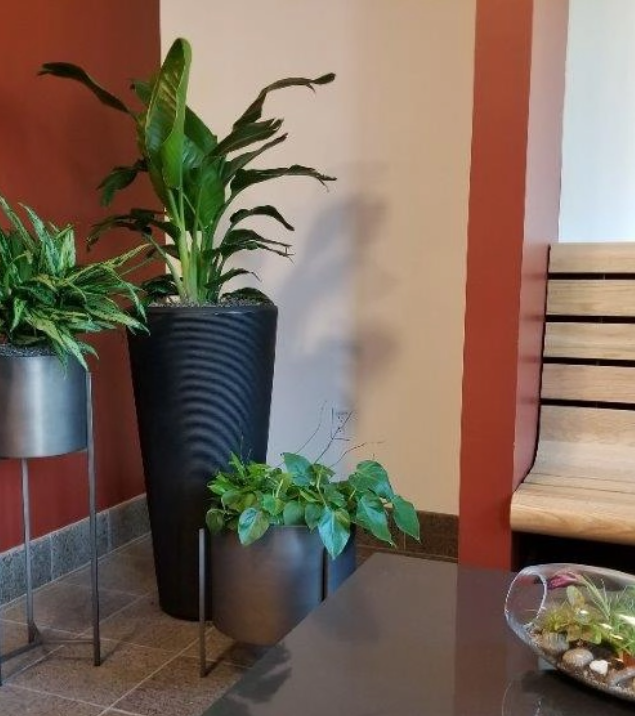
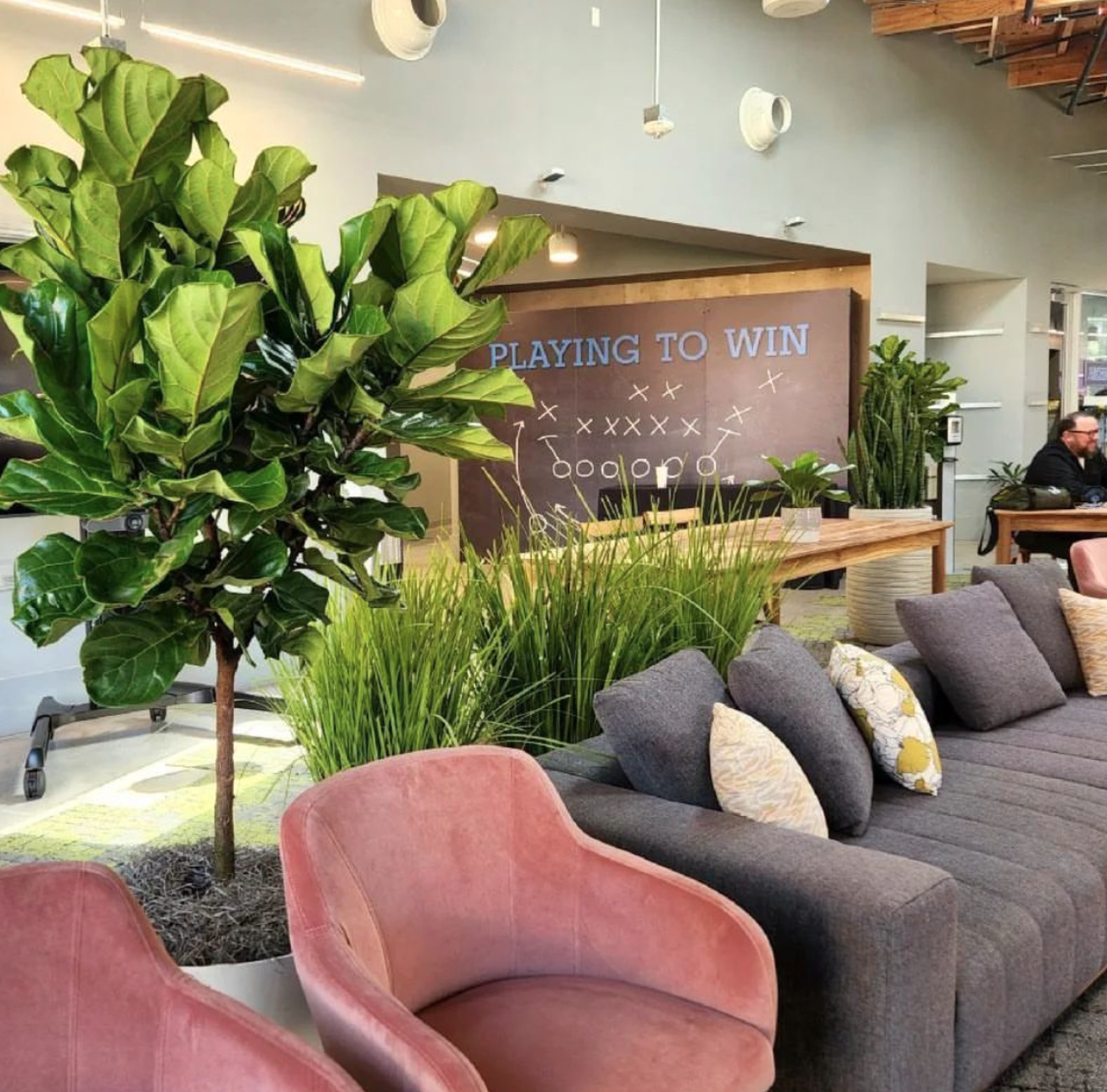
Strong indoor plant design begins by studying the room before choosing the plants. A lobby, conference room, hallway, open office, mall space, hotel, or corporate campus may each need a different approach. Some areas need height, softness, privacy, color, texture, or a focal point.

  • Lighting determines which plant varieties can stay healthy in each location.
  • Traffic flow influences planter placement, container scale, and safety.
  • Architecture shapes whether tall plants, grouped displays, moss walls, or living walls make the strongest visual impact.
  • Maintenance access affects how easily plants can be watered, trimmed, cleaned, and replaced.
  • Brand atmosphere guides whether the design should feel calm, bold, minimal, polished, or natural.

When these details are ignored, plants may decline quickly or look misplaced. A well-planned design feels integrated into the space. It supports the room’s purpose instead of competing with furniture, signage, or movement.

Professional Choices Support Healthier Workplaces

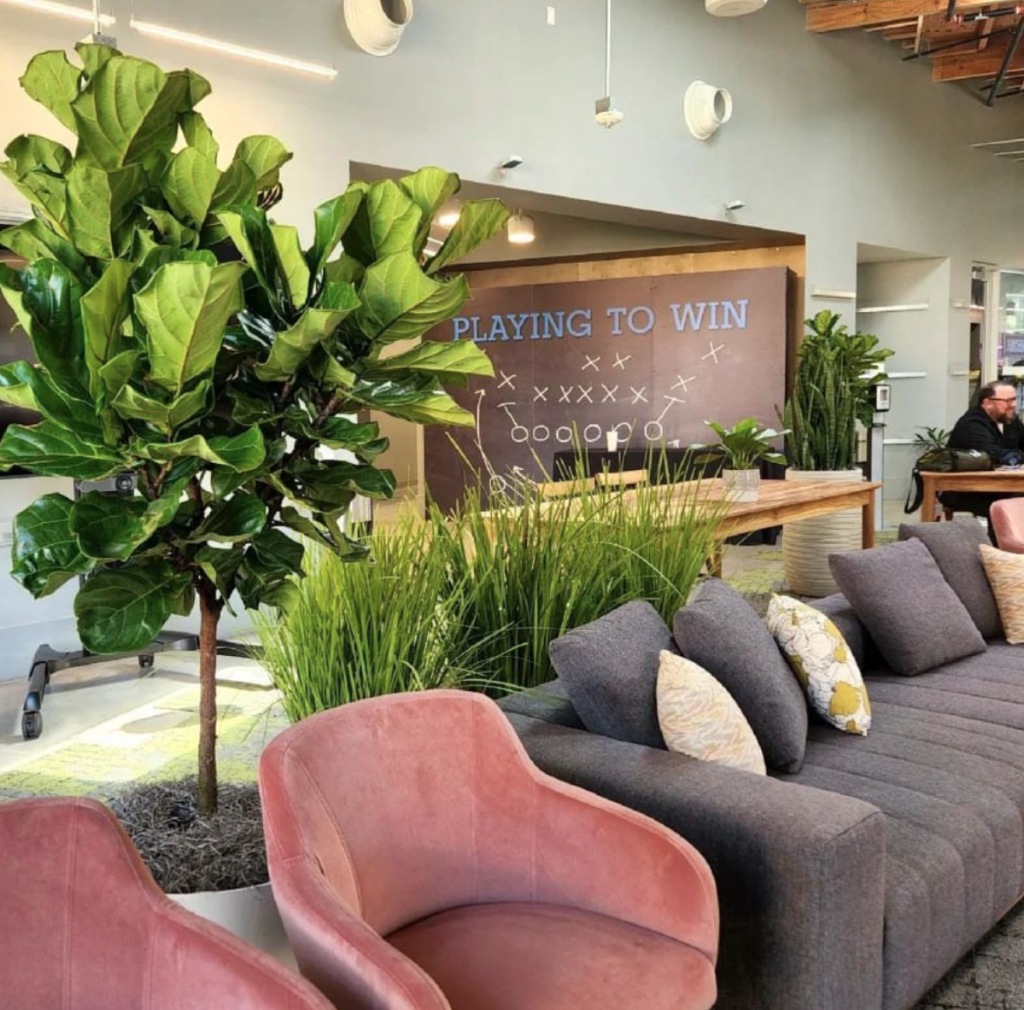
Plants do more than decorate. In many offices, greenery softens the pace of the workday and makes shared areas feel more comfortable. Thoughtful placement can break up sterile interiors, calm waiting areas, and make employees and visitors feel more at ease.

That effect depends on choosing the right plant for the right condition. Low-light corners, bright window zones, dry interior air, and shaded reception areas cannot all support the same species. Professional planning helps avoid selecting plants for appearance alone.

  • Plant selection matches each location’s light and environmental conditions.
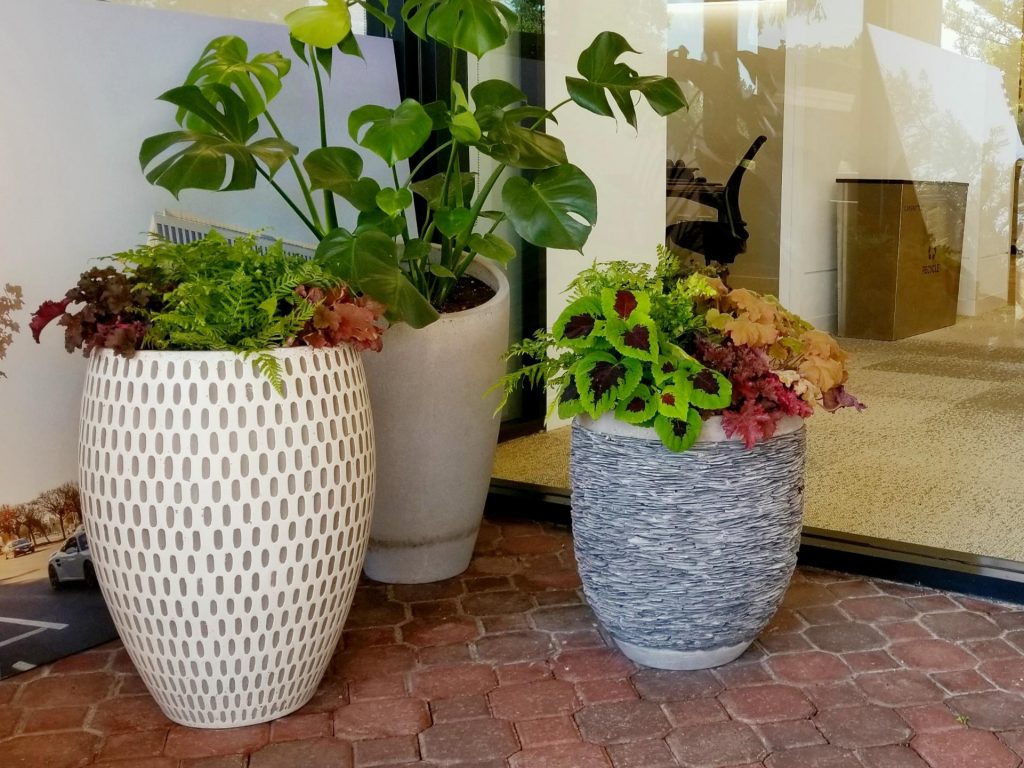
  • Container choices support both design style and plant stability.
  • Placement creates warmth without blocking walkways or work areas.
  • Ongoing care keeps leaves clean, healthy, and presentation-ready.
  • Replacement planning prevents tired displays from weakening the room’s impression.

This is especially important in spaces where people spend long hours. Greenery can help make an office feel less rigid and more human. For teams focused on comfort, mood, and client experience, well-selected stress-reducing plants can become part of a broader workplace wellness strategy.

Custom Features Create Stronger Visual Impact

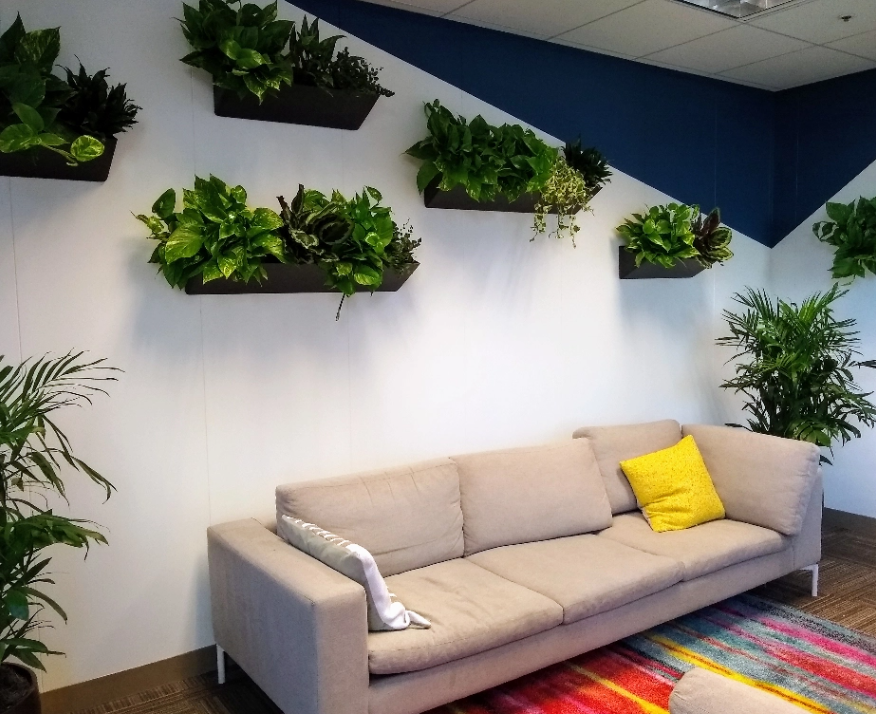
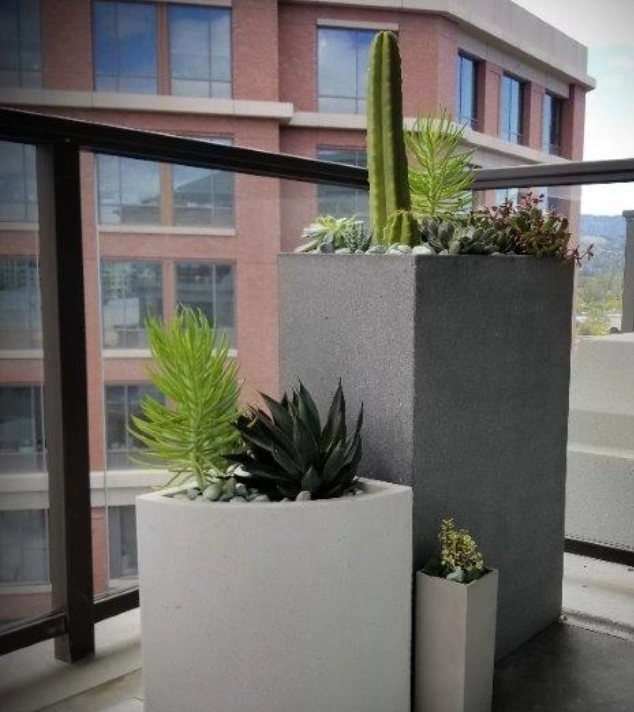
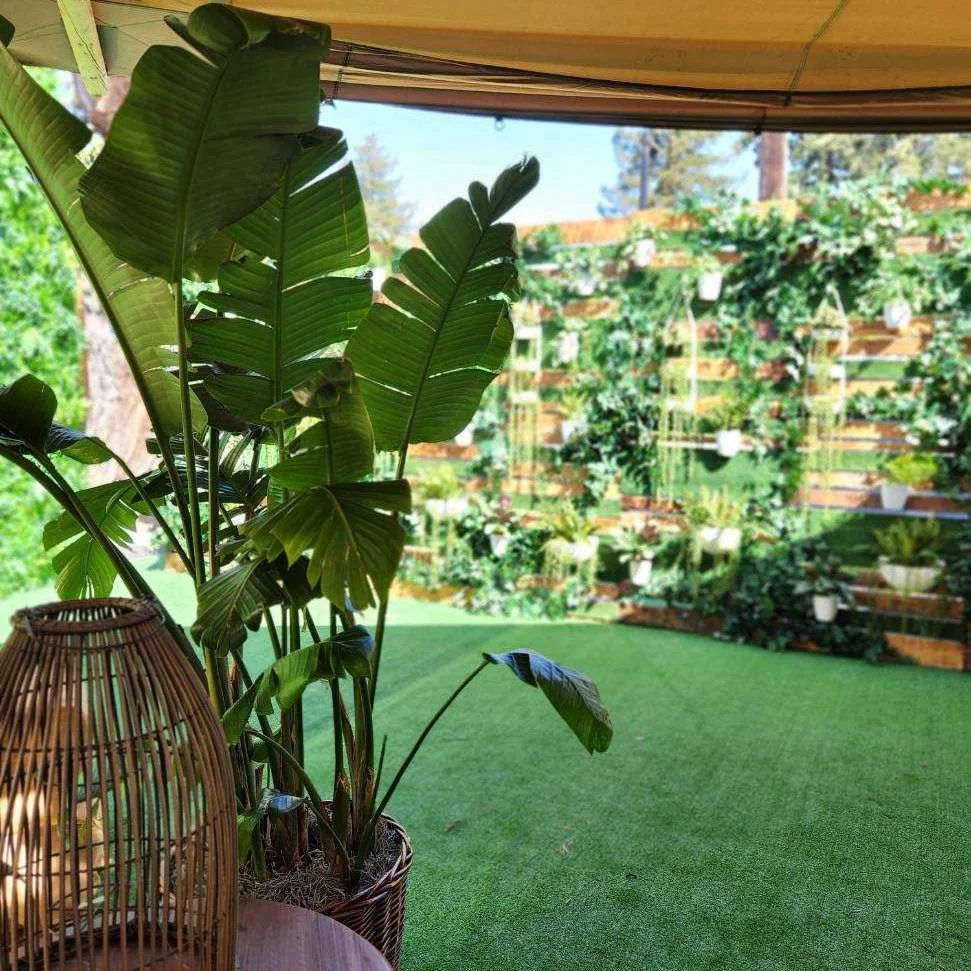
Some spaces need more than traditional floor plants. A large lobby, reception wall, conference area, or hospitality space may benefit from a feature that becomes part of the architecture. That is where custom options such as living walls, moss walls, replica plants, patio landscaping, and holiday decor can elevate the environment.

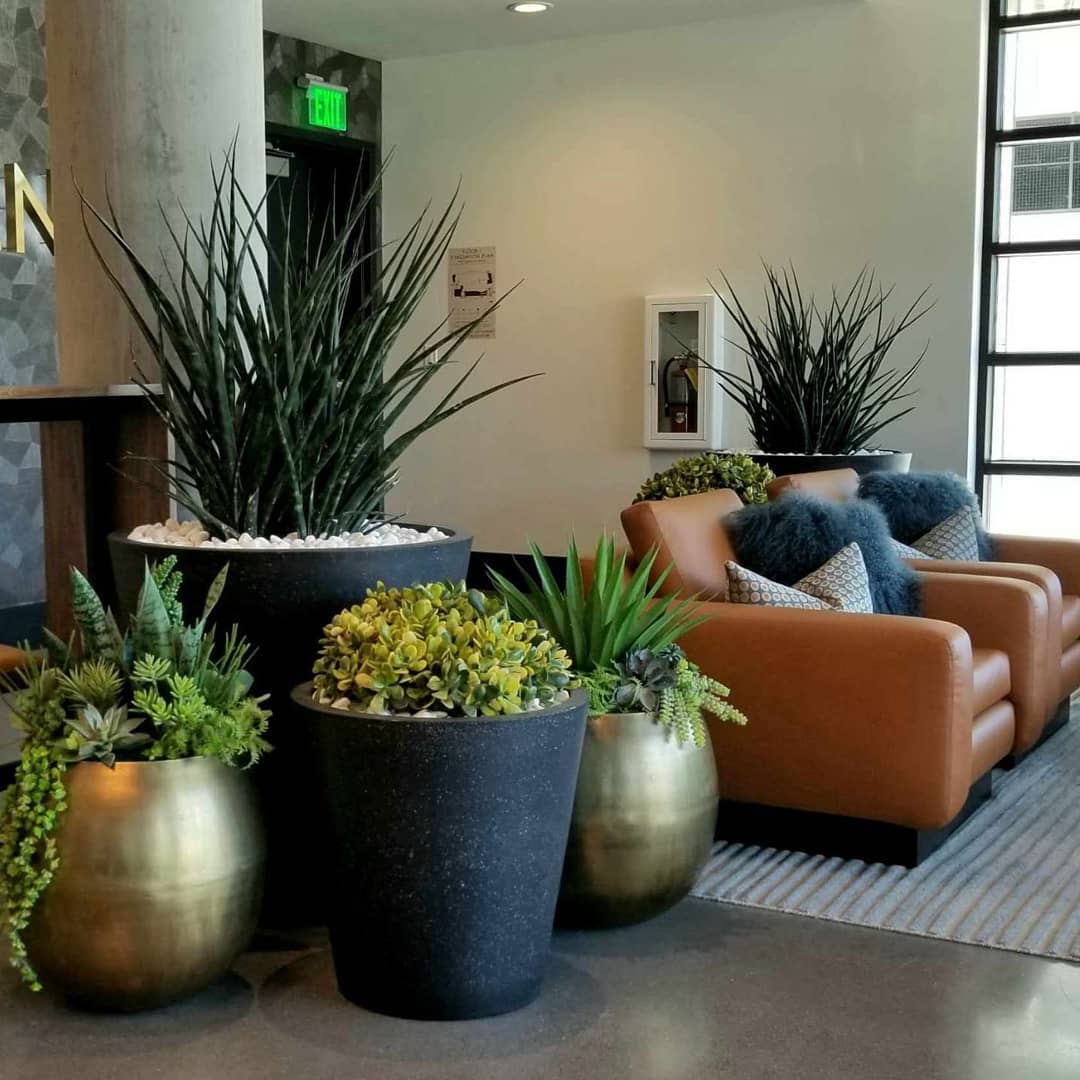
A living wall creates a vertical garden effect with live plants arranged for fullness, color, and texture. A moss wall adds natural artistry with preserved moss and organic materials, offering a low-maintenance way to bring visual warmth to wall areas. Replica plants can also be useful for dark interiors, difficult corners, or concepts that require greenery that would not thrive in available light.

  • Living walls add a high-impact green feature for lobbies, offices, and shared spaces.
  • Moss walls create custom natural art without regular watering needs.
  • Replica plants solve design challenges in low-light or hard-to-maintain areas.
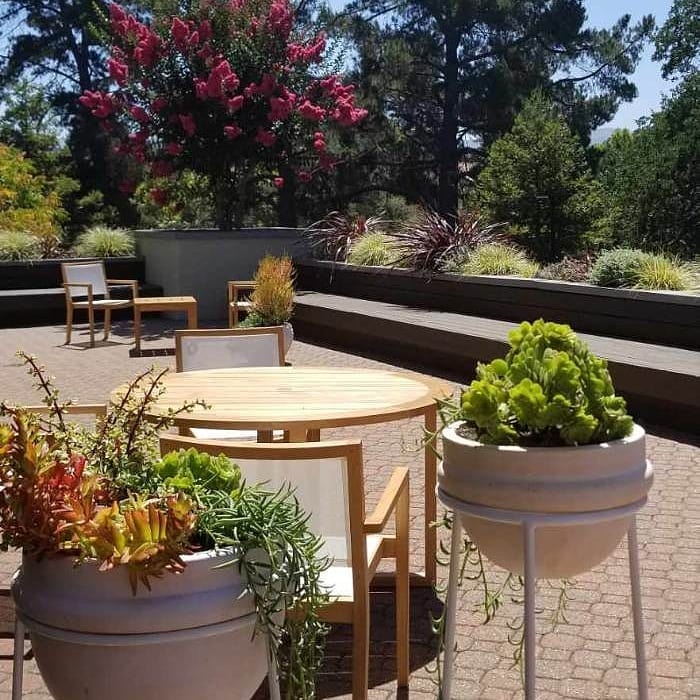
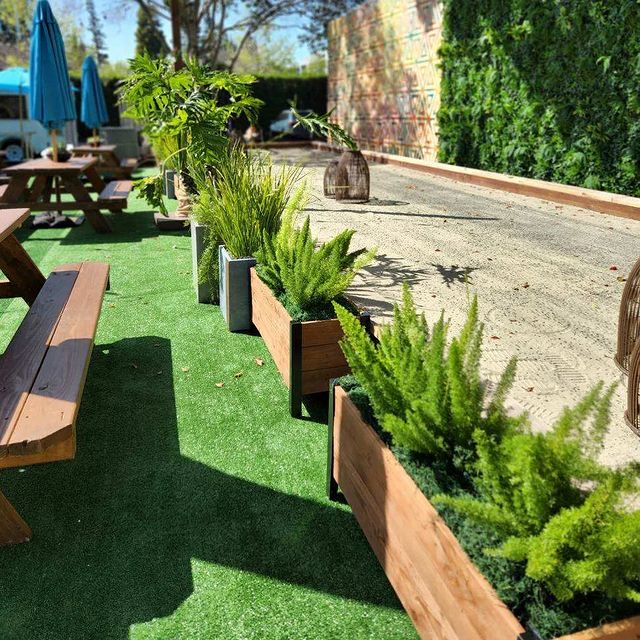
  • Patio landscaping extends greenery into outdoor gathering areas.
  • Holiday decor adds seasonal warmth without permanent changes to the space.

Professional guidance helps match the feature to the room’s limitations and design goals. Without that planning, a display can become difficult to maintain, poorly scaled, or disconnected from the interior.

Ongoing Care Protects The Design Investment

The real test of an indoor plant program is how it looks months after installation. Plants are living elements, which means they respond to light changes, watering habits, pruning, temperature shifts, and everyday office conditions. Even a beautiful design can lose its effect when leaves turn yellow, containers gather dust, or plants outgrow their placement.

Professional service keeps the original design intention intact. Regular care can include watering, trimming, cleaning, plant health checks, rotation, adjustments, and replacements when needed. This consistency helps offices avoid the pattern of starting with fresh greenery and slowly ending up with neglected displays.

There is also a productivity side to thoughtful workplace greenery. While plants cannot solve every office challenge, they can contribute to a more pleasant environment when properly selected and maintained. For companies exploring how greenery supports focus and atmosphere, discussions about workplace productivity show why plant design should be treated as part of the workplace experience, not just decoration.

Bring More Life Into Your Space

Professional indoor plant design makes a difference because it combines beauty, planning, installation, and long-term care. For plant displays, moss walls, living walls, replica plants, patio landscaping, and holiday decor that feel intentional from the start, contact Creative Plant Design Inc. for professional services.

5 Reasons Why Your Indoor Plants Are Wilting

Wilting is one of the earliest visual signals that something in your plant environment is out of balance. Leaves droop, stems soften, and the overall structure begins to look tired. While many assume the solution is simply “add more water,” the reality is more complex. Wilting is often the result of layered issues involving light, soil conditions, airflow, and nutrient stability.

From a professional interiorscape perspective, effective indoor plants care begins with accurate diagnosis. Instead of reacting to surface symptoms, the goal is to identify the environmental factor disrupting plant performance. Below are five of the most common reasons indoor plants begin to wilt and how structured plant management prevents recurring decline.

1. Inconsistent or Incorrect Watering

Water mismanagement remains the most frequent cause of wilting. However, both excess moisture and insufficient watering can produce similar symptoms, which is why visual inspection alone is rarely enough.

Common watering problems include:

  • Overwatering in low-light areas
    When plants receive limited light, moisture evaporates slowly. Saturated soil deprives roots of oxygen.
  • Underwatering during growth periods
    In spring, increased growth can raise water demand. Without adjustment, plants may begin to droop.
  • Surface-only watering
    Moistening only the top layer of soil leaves deeper roots dry and stressed.
  • Containers without proper drainage systems
    Decorative pots that trap moisture encourage root damage over time.

Professional indoor plants care programs evaluate species, container size, soil composition, and light exposure before setting watering schedules. This tailored oversight prevents the repeated cycle of overcorrection that often leads to further stress.

For businesses and property managers seeking guidance on plant selection and structured maintenance strategies, exploring professionally curated interior plant programs can clarify how plant systems are designed to thrive in commercial environments. You can learn more about comprehensive commercial greenery planning through these proven indoor plant solutions.

2. Light Imbalance or Sudden Light Changes

Light is the engine behind plant health. When indoor plants do not receive adequate or appropriate light, their ability to maintain firm, upright foliage diminishes.

Light-related causes of wilting may include:

  • Placement too far from natural windows
    Even moderate distance from daylight can significantly reduce usable light levels.
  • Seasonal light shifts
    Changes in sun angle during different times of year affect exposure patterns.
  • Relying solely on artificial lighting
    Not all overhead lighting systems provide sufficient spectrum for sustained growth.
  • Abrupt relocation
    Moving plants from bright spaces into shaded corners without transition can shock foliage.

Mapping light conditions across a space, rather than estimating visually, is a key part of professional indoor plant care. This ensures plants are matched with conditions that support long-term vitality rather than short-lived placement decisions.

3. Root Restriction and Soil Compaction

Many wilting issues originate below the surface. When root systems are confined or soil structure deteriorates, plants struggle to absorb water and nutrients efficiently.

Root-related concerns often involve:

  • Root-bound containers
    Plants left in undersized pots restrict their own growth and hydration capacity.
  • Compacted soil over time
    Repeated watering compresses soil, limiting oxygen flow to roots.
  • Undetected root rot
    Excess moisture combined with poor drainage can quietly damage roots before symptoms appear above soil.
  • Improper container transitions
    Repotting without careful preparation may cause additional stress.

Structured indoor plant care includes periodic root inspections and soil assessments. Preventative evaluation protects plant health before visible decline becomes severe.

4. Environmental Stress From HVAC Systems

Indoor environments are rarely stable ecosystems. Heating and cooling systems create temperature swings, airflow variations, and humidity shifts that impact plant performance more than most occupants realize.

Environmental stressors may include:

  • Constant airflow from vents
    Direct drafts dry foliage and soil more rapidly than expected.
  • Low humidity levels
    Many tropical species require higher humidity than climate-controlled offices provide.
  • Frequent exposure to entryway conditions
    Plants placed near doors experience repeated temperature fluctuations.
  • Dust accumulation on leaves
    Dust reduces photosynthesis efficiency and overall plant vigor.

Professional plant maintenance programs account for these building-specific conditions. Adjustments in placement and care routines ensure plants remain stable even within demanding commercial interiors.

5. Nutrient Imbalance and Growth Disruption

Plants require consistent nutrient management to maintain structural strength. Wilting can occur when growth cycles are not supported with appropriate feeding schedules.

Common nutrient-related factors include:

  • Irregular fertilization timing
    Applying nutrients inconsistently disrupts development.
  • Incorrect nutrient formulation
    Different plant species require different nutrient ratios.
  • Salt buildup in soil
    Residue from excessive fertilizer can impair water absorption.
  • Seasonal growth surges
    Spring growth increases nutrient demand, which must be managed carefully.

Effective indoor plant care integrates nutrient planning with seasonal growth patterns and species requirements. Rather than reacting after symptoms appear, structured programs maintain stability year-round.

For those interested in understanding the horticultural knowledge and long-term experience behind professional interiorscape services, reviewing the team’s background and qualifications can provide valuable context. You can explore more about the expertise and industry history by visiting the page that outlines the team’s background and experience.

Restore Stability Before Wilting Spreads

Wilting rarely results from a single issue. More often, it reflects an imbalance between water, light, root health, airflow, and nutrients. Identifying the true cause requires evaluation beyond surface symptoms.If your plants are showing signs of decline or if you want to establish a preventative indoor plants care program that protects long-term health, contact Creative Plant Design Inc. to discuss professional plant design and maintenance solutions tailored to your environment.